Immigrants and refugees, seeking safety, leave their homes for unfamiliar destinations in search of better lives for themselves and their families. Despite considerable challenges, most immigrants and refugees in the United States lead healthy lives and contribute meaningfully to American society. Even so, adjustment to living in a new host country may be significantly affected by histories of grievous loss and violent traumatic exposures, which commonly precipitate profound emotional distress. Indeed, the prevalence of mental health conditions, especially posttraumatic stress disorder and depression, is high, particularly among refugees, a subgroup of immigrants routinely subjected to extreme traumatic experiences before, during, and after forced displacement. Promoting health in such a context means paying proper attention to these histories since emotional wellbeing is critical to overall health. Accordingly, our program aids in the social and emotional adjustment of immigrants and refugees in need. We provide mental health services with culturally-informed approaches, educate healthcare providers about caring for immigrants and refugees, and increase professional and public awareness of immigrant and refugee community needs.
Transition can be difficult, as immigrants and refugees adjust to new schools, work environments, and American culture, often with an added burden of lacking adequate resources to meet their most basic needs. Additionally, many of our clients continue to suffer from trauma that they experienced in their home countries or during migration. We provide mental health services with culturally sensitive approaches to aid the stability, social, and emotional adjustment of immigrants and refugees. Our therapists aim to help those in distress to recover a sense of individual well-being and to improve relationships among family members. Our psychiatrists assist with diagnostic evaluation, offer judicious prescription of psychiatric medication when indicated, and sometimes conduct therapy themselves. Often, refugees are unaware of the services available to help them get settled. We offer case management services, helping immigrant and refugee clients navigate and access complex healthcare and social services systems. While some of our providers have facility with certain languages, we most often rely on the help of our pool of trained interpreters to aid in communication with our clients.
We provide interprofessional and interdepartmental teaching in immigrant and refugee mental health at CU Anschutz. Our students include psychiatry trainees, social work interns and faculty in the department of psychiatry. We provide case consultations with providers in other medical specialties, including internal medicine, pediatrics and neurology.
We have highly skilled, culturally informed psychiatrists, social workers, and professional counsellors on our team who have extensive experiences working with refugees and immigrants.
Instructor, Psychotherapist, Immigrant and Refugee Mental Health Program
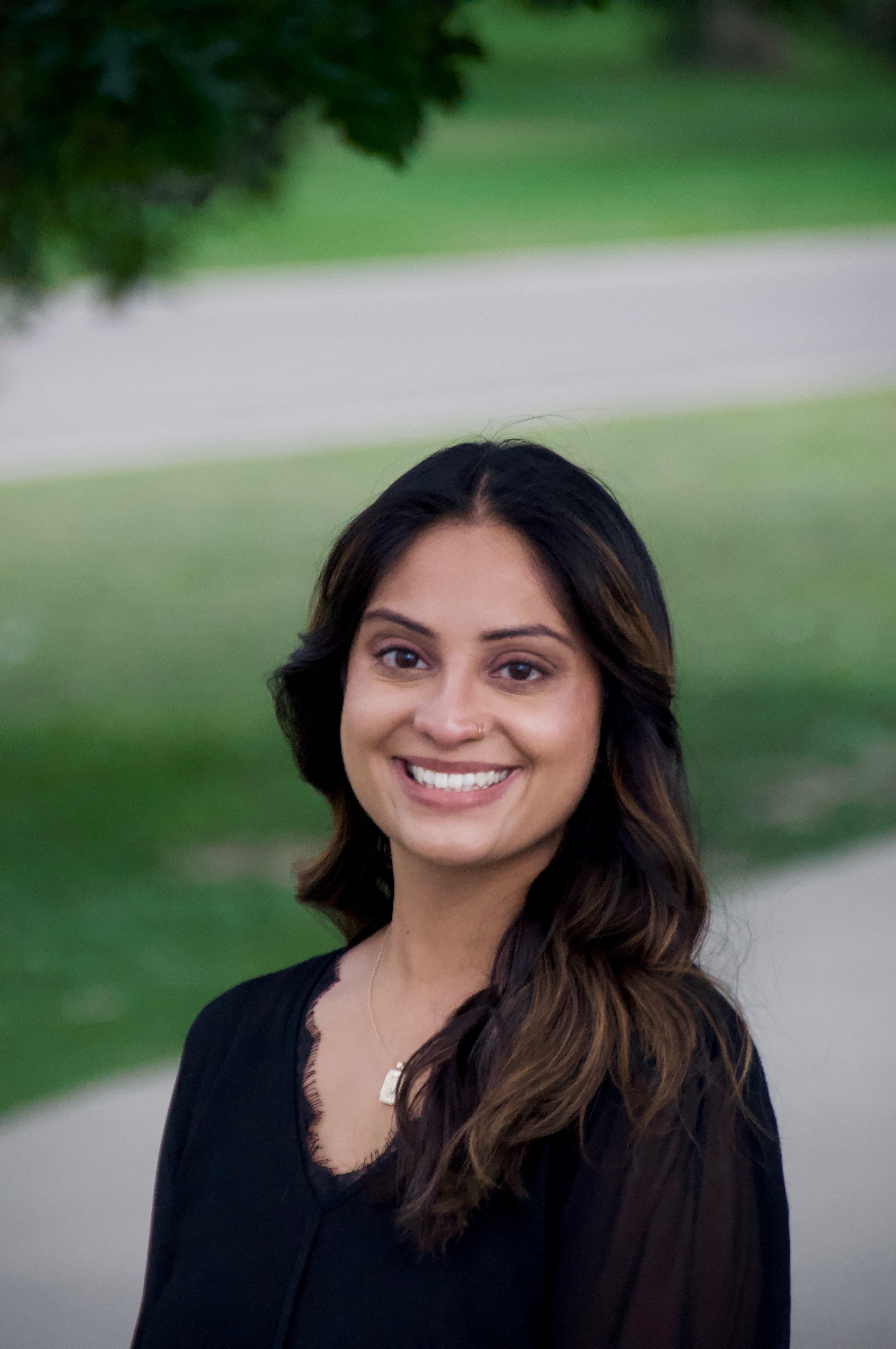
Jasleen Karir is an instructor and psychotherapist with the Immigrant and Refugee Mental Health Program at the University of Colorado’s outpatient psychiatry clinic. She provides culturally responsive, trauma-informed care to immigrants, refugees, and families navigating complex transitions.
As the daughter of immigrant parents, Jasleen’s passion for supporting immigrant and refugee communities is deeply shaped by her family’s experience and her commitment to advancing equity in mental health care. Her clinical work is grounded in an understanding of how cultural strengths, systemic barriers, and intergenerational experiences can influence mental health and wellness. She is dedicated to building trusting therapeutic relationships where individuals feel seen, respected, and empowered.
Jasleen integrates advocacy, cultural humility, and a strengths-based lens into her practice. Her approach is research-informed and person-centered, incorporating elements of trauma-informed cognitive behavioral therapy (CBT), narrative therapy, solution-focused therapy, and insight-oriented work to support patients in developing meaningful coping skills and resilience. In addition to her clinical work, she is passionate about empowering partners and communities through education, collaboration, and program development, bringing creative solutions that strengthen systems of care and support historically underserved communities.
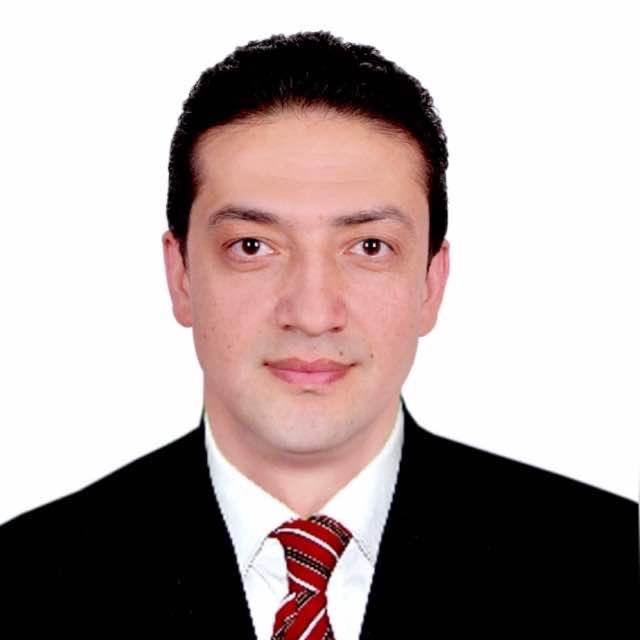
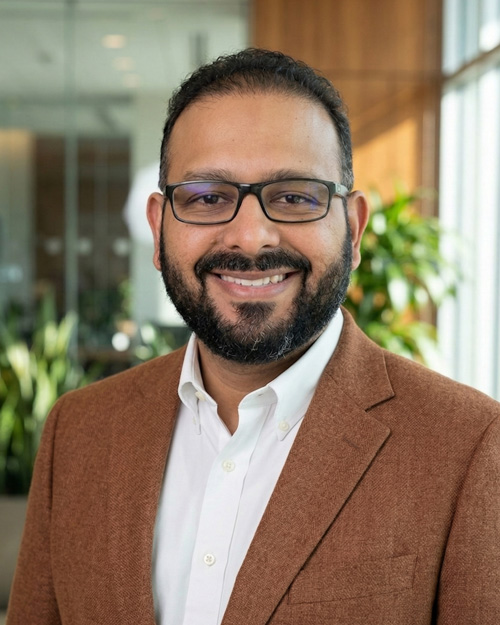
Abdul Mubin Sultan Khil, MD, MPH, is a Research Associate at the University of Colorado Anschutz Medical Campus, where he works with the Immigrant and Refugee Mental Health Program (IRMHP) and Addiction Research and Treatment Services (ARTS). In this role, he focuses on addiction research, program evaluation, and data analysis to support evidence-based decision-making and improve treatment outcomes, while also providing culturally responsive mental health and substance use education for refugee and underserved communities.
Dr. Sultankhil is an Internationally Certified Addiction Professional (ICAP I) with over 19 years of experience in public health, addiction prevention, and treatment. His career includes extensive leadership and technical roles in program implementation, training, and community engagement across international and U.S.-based settings.
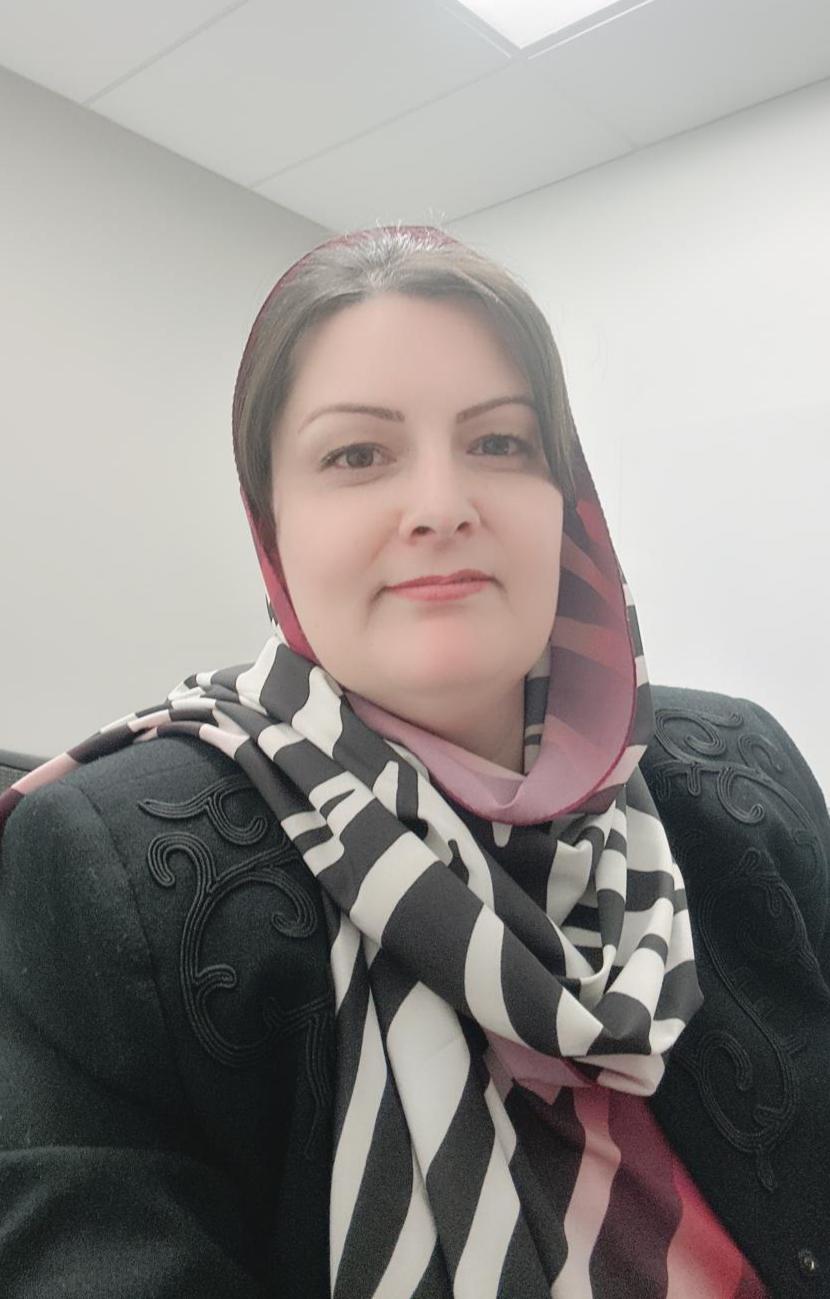
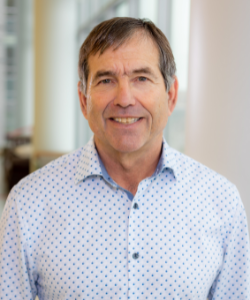
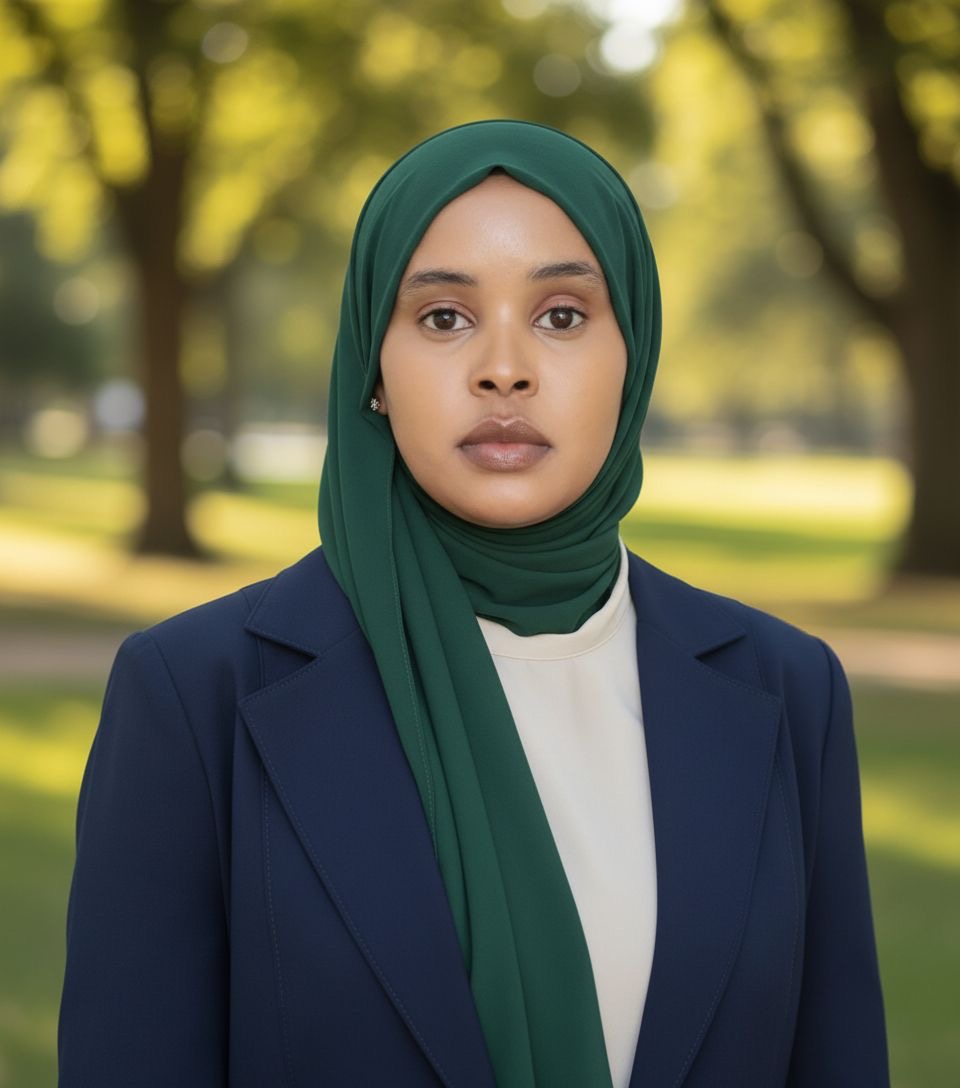
Rabil Mubin Burhani, MD, is a Research Associate at the University of Colorado Anschutz Medical Campus, where she works with the Immigrant and Refugee Mental Health Program within the Refugee Outpatient Psychiatry Clinic. In this role, she engages in research with newcomer populations, supports teaching and case coordination, and leads community engagement and cultural awareness initiatives focused on Mental Health among Afghan refugees.
Dr. Burhani is a physician trained in Afghanistan, specializing in Gynecology and Obstetrics, with over 18 years of experience in Maternal and Newborn Health, Safe Surgery, Family Planning, Mentorship, and Health Consultancy. Her work included senior advisory and clinical mentoring roles, contributing to capacity building, health system strengthening, and quality improvement across healthcare programs.