

Our goal is to identify mechanisms behind cellular diversity in highly heterogeneous brain tumors and use our knowledge to develop new ways to target these malignancies.
Glioblastoma (GBM) remains the deadliest primary brain cancer, with a 5-years survival rate of only 6.8%
Single-cell transcriptomic profiling of patient specimens revealed that each GBM tumor contains multiple co-existing subpopulations of cells with distinct phenotypes, ranging from neuronal to glial progenitor-like, whose collective function fuels the disease. Yet, how these heterogenous subpopulations interact with each other and drive the aggressive behavior of the tumor remains largely unknown.
The histological hallmarks of GBM, necroses and microvascular proliferation, can appear in close proximity within a single tumor biopsy. These features constitute markedly distinct microenvironments with regards to oxygen and nutrients availability, thereby exerting different selective pressures on GBM cells. Nonetheless, the interactions between GBM subpopulations and their tumor microenvironment remain poorly understood. Our research aims to elucidate these interdependencies and leverage this knowledge to disrupt the GBM cancer ecosystem.
Are you interested in a career in genetics, cancer immunology, epigenetics and tumor evolution? Please reach out! Send your CV and a brief description of your interests to Dr. Janiszewska at [email protected].
If you are an incoming CU Anschutz graduate school student interested in pursuing a PhD in our lab, we will be happy to host you for a rotation. Inquire about projects by directly emailing Dr. Janiszewska at [email protected].
While we don't have other openings at this point, please enquire about future opportunities.
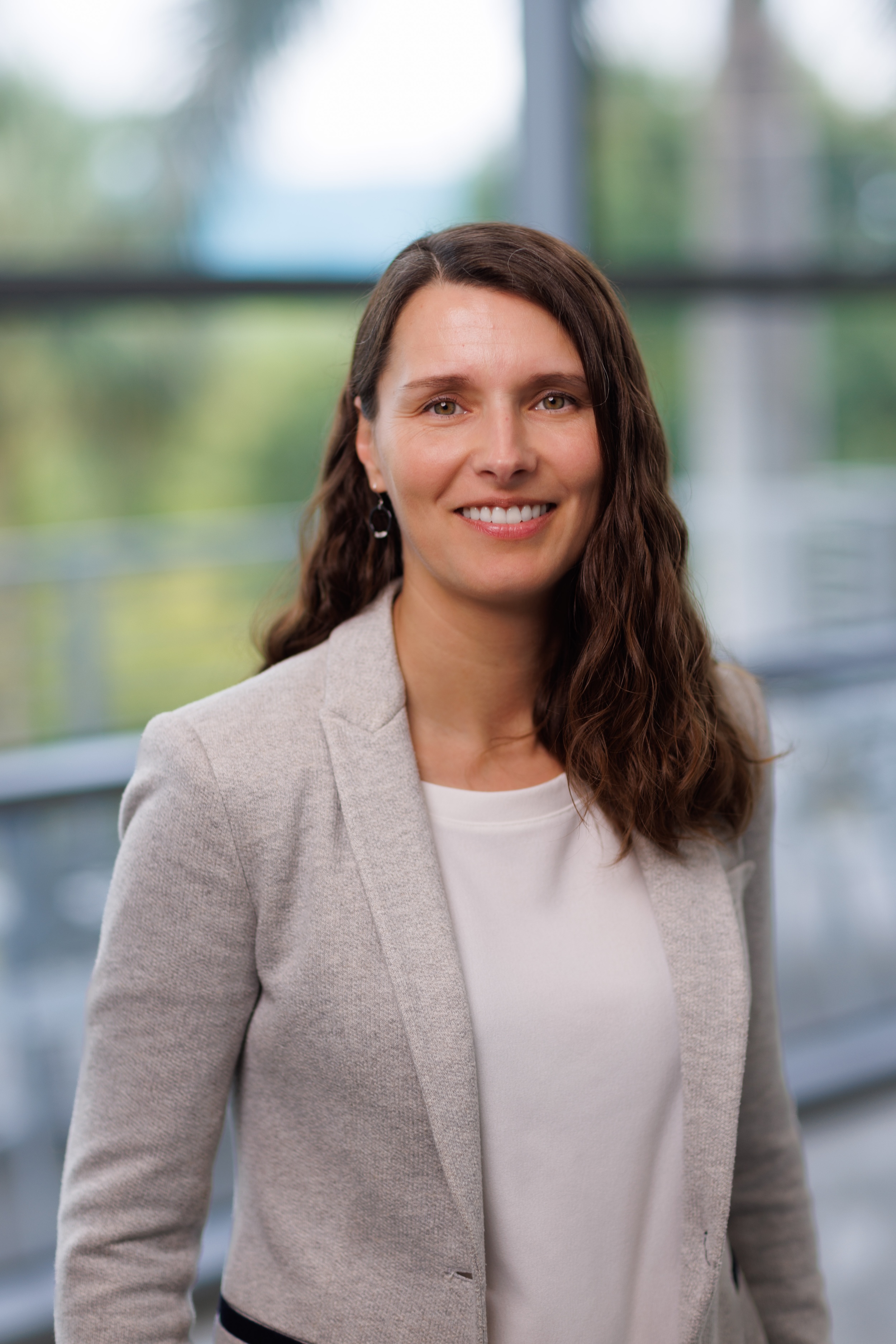
Michalina Janiszewska, PhD, is an associate professor in the Department of Neurosurgery at the University of Colorado Anschutz School of Medicine. She leads brain tumor research to exploit cellular diversity and interactions between the cancer cells and the cells of the tumor microenvironment to develop more effective treatment for glioblastoma.
Before moving to CU Anschutz, Dr. Janiszewska was an assistant professor at the Scripps Research Institute, FL campus (currently The Wertheim UF Scripps Institute). She completed her bachelor's degree in biotechnology and master's degree in medical biotechnology at the University of Wroclaw, Poland. She then completed her PhD in life sciences at the University of Lausanne, Switzerland, and postdoctoral training at Dana-Farber Cancer Institute / Harvard Medical School, where she also held an instructor of medicine position.
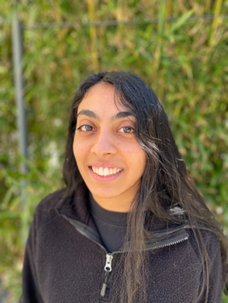
Graduate Student, Molecular Biology Program
Joined the Lab:
July 2026
Education:
BS, Molecular, Cell and Developmental Biology, University of California, Santa Cruz, 2022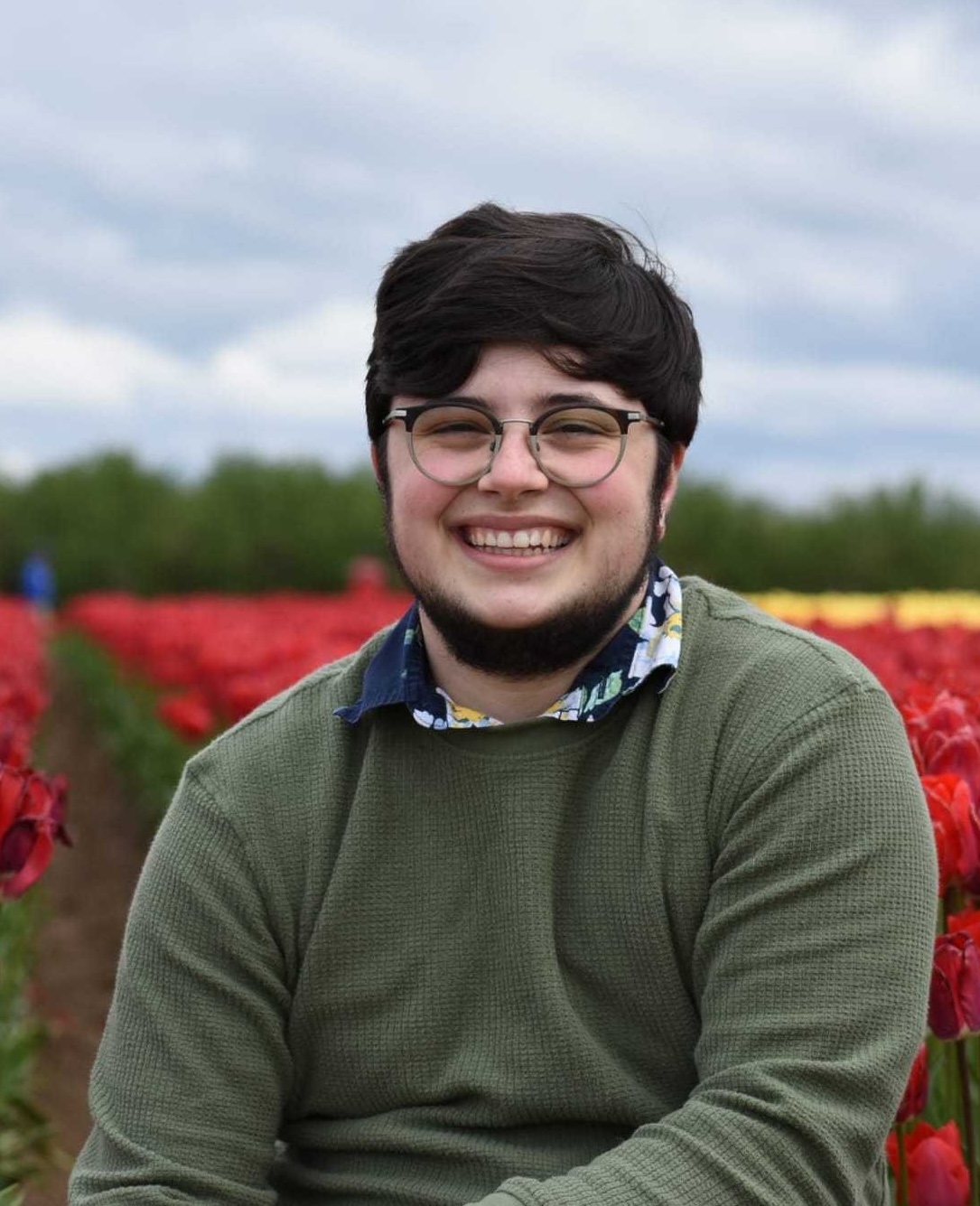
Graduate Student, Cancer Biology Program
Joined the Lab:
July 2026
Education:
BA, Biochemistry/Molecular Biology, Lewis & Clark College, Portland, 2022
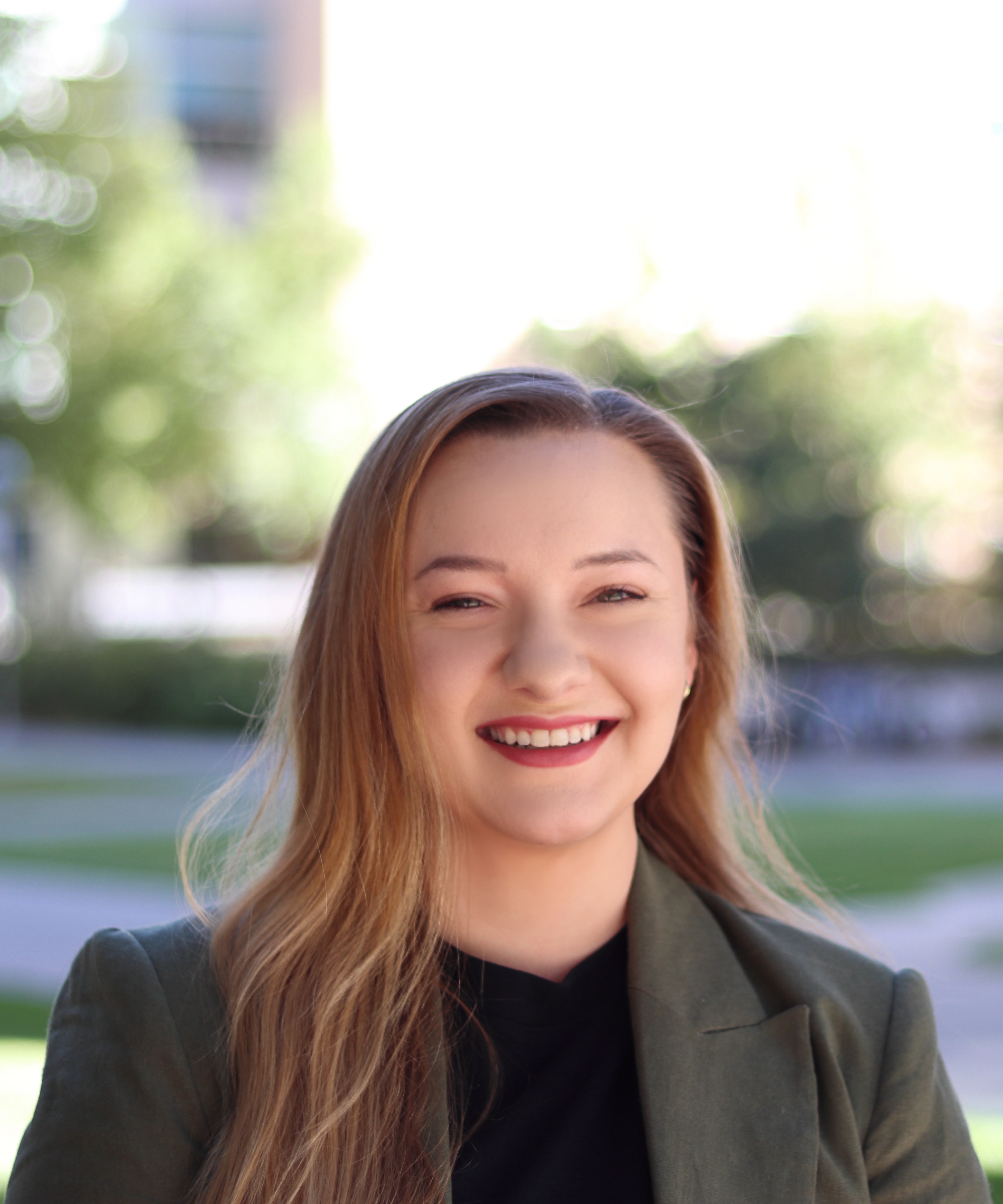
Professional Research Assistant
Joined the Lab:
August 2026
Education:
BS, University of Michigan, 2018
MSc, Bioengineering, University of Colorado, 2025