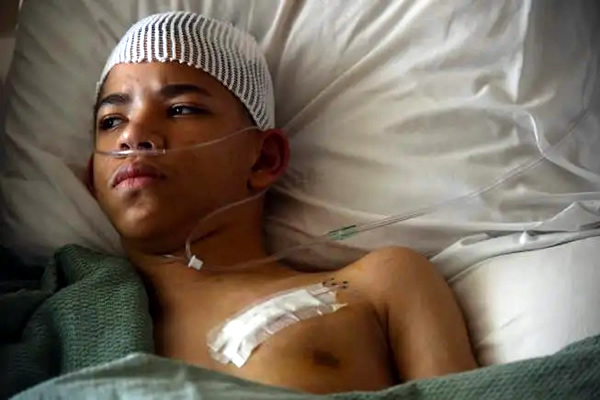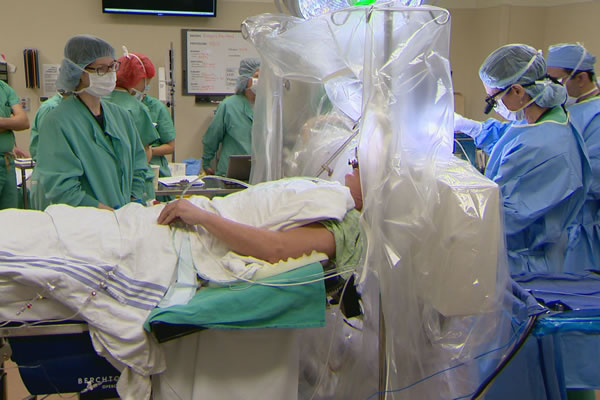
The Gault Lab is exploring the use of deep brain stimulation (DBS) to treat psychiatric disorders, including schizophrenia.
Dr. Judith Gault's research focuses on advancing precision neuromodulation, ethics, and biomarker discovery for severe neuropsychiatric disorders, particularly treatment-refractory schizophrenia. Her work combines deep brain stimulation (DBS), electrophysiology, artificial intelligence (AI), behavioral analytics, psychiatric ethics, and large-scale health data science to improve diagnosis, treatment selection, and patient outcomes.
Across these complementary research programs, Dr. Gault's overarching goal is to develop objective, data-driven approaches that improve diagnosis, treatment selection, ethical decision-making, and personalized neuromodulation for individuals with severe neurological and psychiatric disorders. By integrating neuroscience, engineering, ethics, artificial intelligence, and clinical psychiatry, her work aims to advance precision medicine approaches for some of the most disabling brain disorders.
The University of Colorado Anschutz School of Medicine is obtaining approvals to be considered as a site for a deep brain stimulation (DBS) early feasibility study to treat schizophrenia. The study has received IDE approval from the FDA, and is waiting on IRB approval. Please check this page for updates on patient recruitment.
Patients with a diagnosis of treatment refractory schizophrenia or schizoaffective disorder who meet the inclusion and exclusion criteria (see below) will be eligible for participation in this early feasibility study.
For more information about the study, please email Judith Gault, PhD, at [email protected].
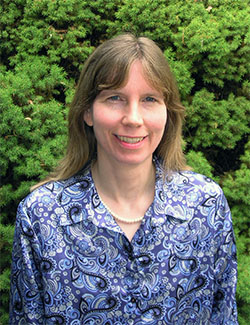
Judith Gault, PhD, is an associate professor and a deep brain stimulation site director at the University of Colorado Anschutz School of Medicine. Dr. Gault's research is focused on resolving ethical concerns and identifying electrophysiological biomarkers relevant to conducting an early feasibility study of DBS to treat symptoms of psychosis in subjects with schizophrenia.
Rachel Davis, MD, is a psychiatrist at the University of Colorado Anschutz and leads deep brain stimulation programming for neuropsychiatric research.
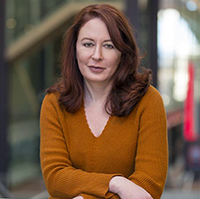

Daniel Kramer, MD, is a neurosurgeon and assistant professor in the department of neurosurgery at the University of Colorado Anschutz School of Medicine. His research areas are focused on the interpretation of neural signals and the communication between brain areas, particularly to produce movement and somatosensation. He is currently working collaboratively to build a brain computer interface program at CU Anschutz.
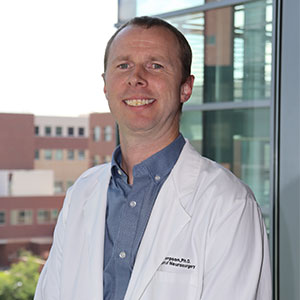
John Thompson, PhD, is an assistant professor in the department of neurosurgery at the University of Colorado Anschutz School of Medicine. He has been studying deep brain stimulation on campus since 2014. The goal of his research is to better understand how the central nervous system converts incoming sensory stimuli into motor commands in human subjects.
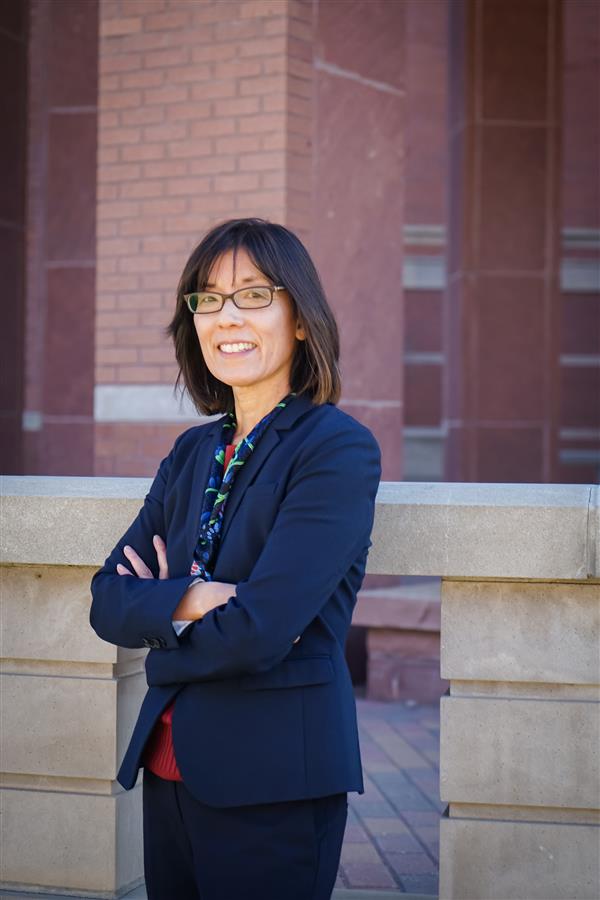
Jody Tanabe, MD, is a neuroradiologist and professor at the University of Colorado Anschutz School of Medicine. She is board-certified in radiology and neuroradiology and sees patients at the Colorado Translational Research Imaging Center.
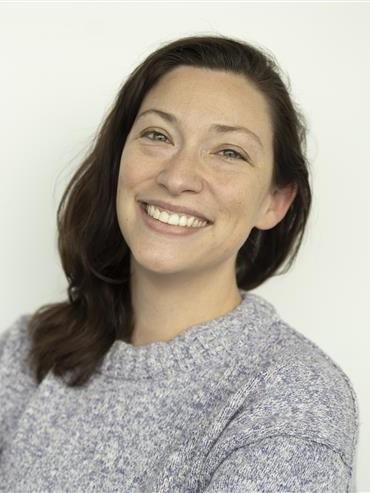
Elizabeth Fenstermacher, MD, is a psychiatrist and an assistant professor at the University of Colorado Anschutz School of Medicine.
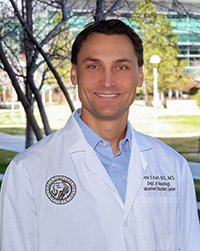
Drew Kern, MD, is an associate professor at the University of Colorado Anschutz School of Medicine with dual appointments in the departments of neurology and neurosurgery. He is the supporting neurologist for the complex movement disorders program and specializes in advanced stages of movement disorders that necessitate surgical treatment options.
Emily Hemendinger is a social worker and associate professor and clinical director of the OCD Program at the University of Colorado Anschutz School of Medicine.
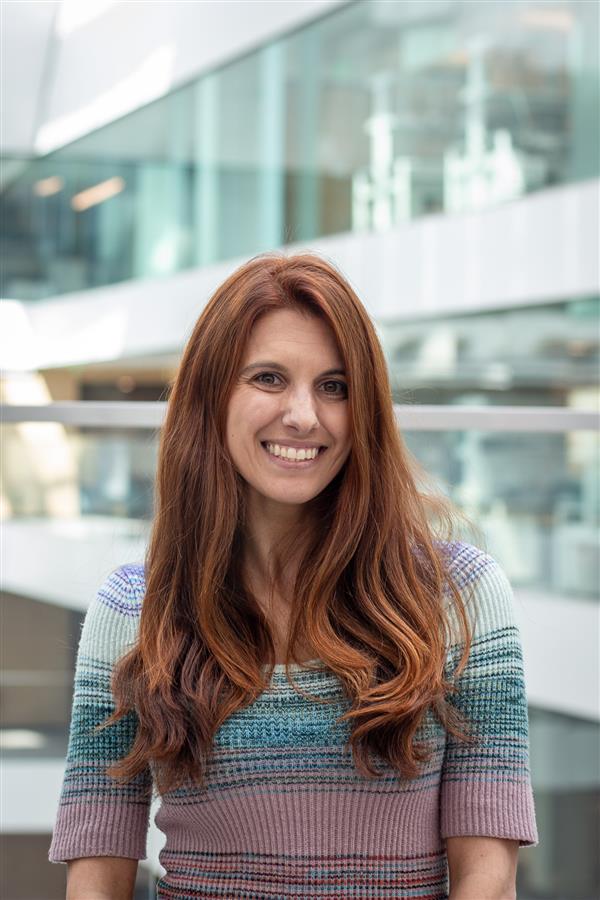
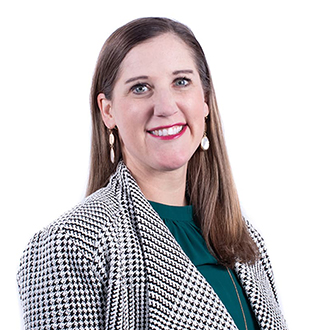
Diana Abbott, PhD, is a research associate and assistant professor at the Colorado School of Public Health. She received an undergraduate degree in mathematics education from Brigham Young University, a mater's of science in biostatistics from Oklahoma University Health Sciences Center, and a doctorate degree in statistical genetics from the University of Iowa. Her research interests are in clinical trial design and statistical genetics.