

The long-term interest of the Van Rechem Lab lies in understanding the impact chromatin modifiers have on disease development and progression so that more optimal therapeutic opportunities can be achieved.
Chromatin modifiers are highly altered in diseases. Of interest, these proteins are targetable by drugs. Furthermore, the plasticity of epigenetic events makes them a powerful target for new therapeutic strategies and reversion of disease phenotype. Histone and DNA modifications influence many processes including transcription, replication, genomic stability and cell division, which are altered in diseases. Therefore, understanding the molecular basis of chromatin modifiers in both normal and pathological cells could help us frame new potential biomarkers and targeted therapies.
The long-term interest of the Van Rechem Lab lies in understanding the impact chromatin modifiers have on brain cancer development and progression so that more optimal therapeutic opportunities can be achieved. Our laboratory explores the direct molecular impact of chromatin modifiers during cell cycle progression, and characterizes the unappreciated and unconventional roles that these chromatin modifiers have on cytoplasmic function, such as protein synthesis. By gaining molecular understanding into the mechanism of action of chromatin modifiers in normal and pathological cells, we will improve our basic knowledge and provide needed insights into new potential targeted therapies in diseases.
The lab welcomes inquiries from enthusiastic students, postdoctoral fellows, and other researchers interested in our work. If you would like to explore opportunities in the lab, please email Dr. Van Rechem at [email protected].
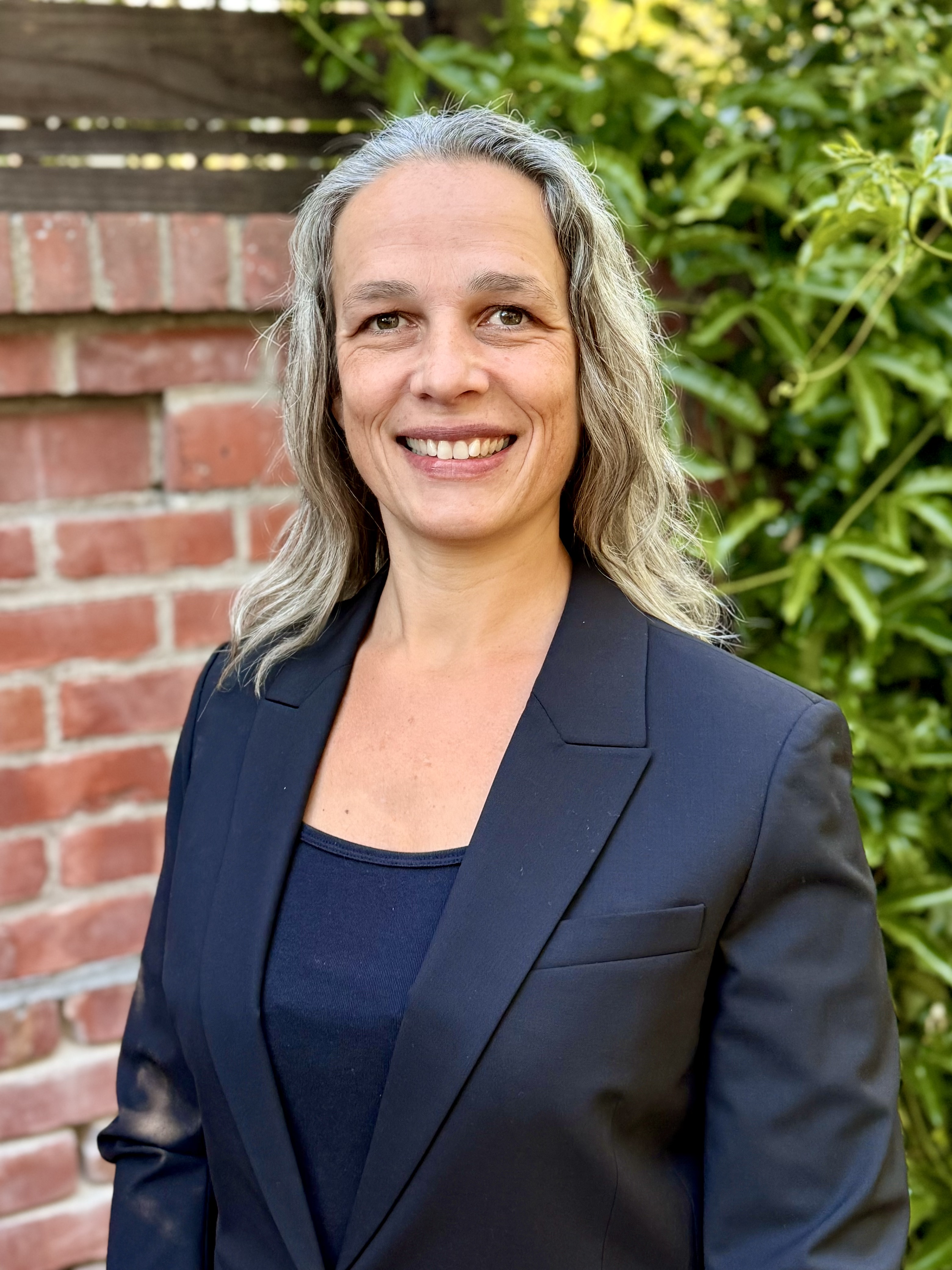
Dr. Van Rechem received her training in France at the University of Lyon I (BS in Cellular Biology and Physiology and Genetics) and the University of Lille II (MS in Biological Sciences and PhD in Biochemistry and Molecular Biology). She subsequently moved to the United States for postdoctoral training at the Massachusetts General Hospital Cancer Center and Harvard Medical School, where she studied the molecular functions of chromatin-modifying enzymes and developed a long-standing interest in understanding how chromatin regulation extends beyond the control of gene expression. In 2017, she joined the Department of Pathology at Stanford University as an Assistant Professor, where she established her independent research laboratory. In May 2026, she joined the Department of Neurosurgery at the University of Colorado Anschutz School of Medicine as an Associate Professor.
Throughout her career, Dr. Van Rechem has sought to understand how chromatin regulators influence fundamental cellular processes and how their dysregulation contributes to disease. Her work has uncovered roles for chromatin regulation in DNA replication, genome stability, and protein synthesis, expanding the functions of these factors beyond their canonical roles in transcription. Her laboratory now applies these mechanistic insights to understand vulnerabilities in brain cancers, with the ultimate goal of translating fundamental discoveries into new therapeutic opportunities.
Dr. Vanauberg, is a postdoctoral fellow in the Van Rechem Lab. He grew up in the north of France and completed a B.Sc in Cell Biology at the University of Lille in 2020. Highly interested in cancer biology, he obtained a MSc in oncology in 2022. As an undergraduate, he worked in Pr. Lefebvre’s lab studying the regulation of fatty acid synthase (FASN) by O-GlcNAcylation in hepatic cancer. Vanauberg’s love for this subject led him to pursue his PhD in the same lab. He completed his doctoral work in 2025, which focused on identifying the cellular and molecular mechanisms modulated by O-GlcNAcylated FASN in hepatic cancer cells. He joined Dr. Van Rechem’s lab in 2026 at Stanford University, and will continue his oncology training here in the Van Rechem’s Lab on the CU Anschutz campus. His focus is on cytoplasmic roles of SWI/SNF in atypical teratoid rhabdoid tumors, and he is interested in the involvement of cholesterol metabolism in diffuse midline gliomas.
.jpg?sfvrsn=b2cc65b5_1 "Benjamin Erickson (900 x 871)")
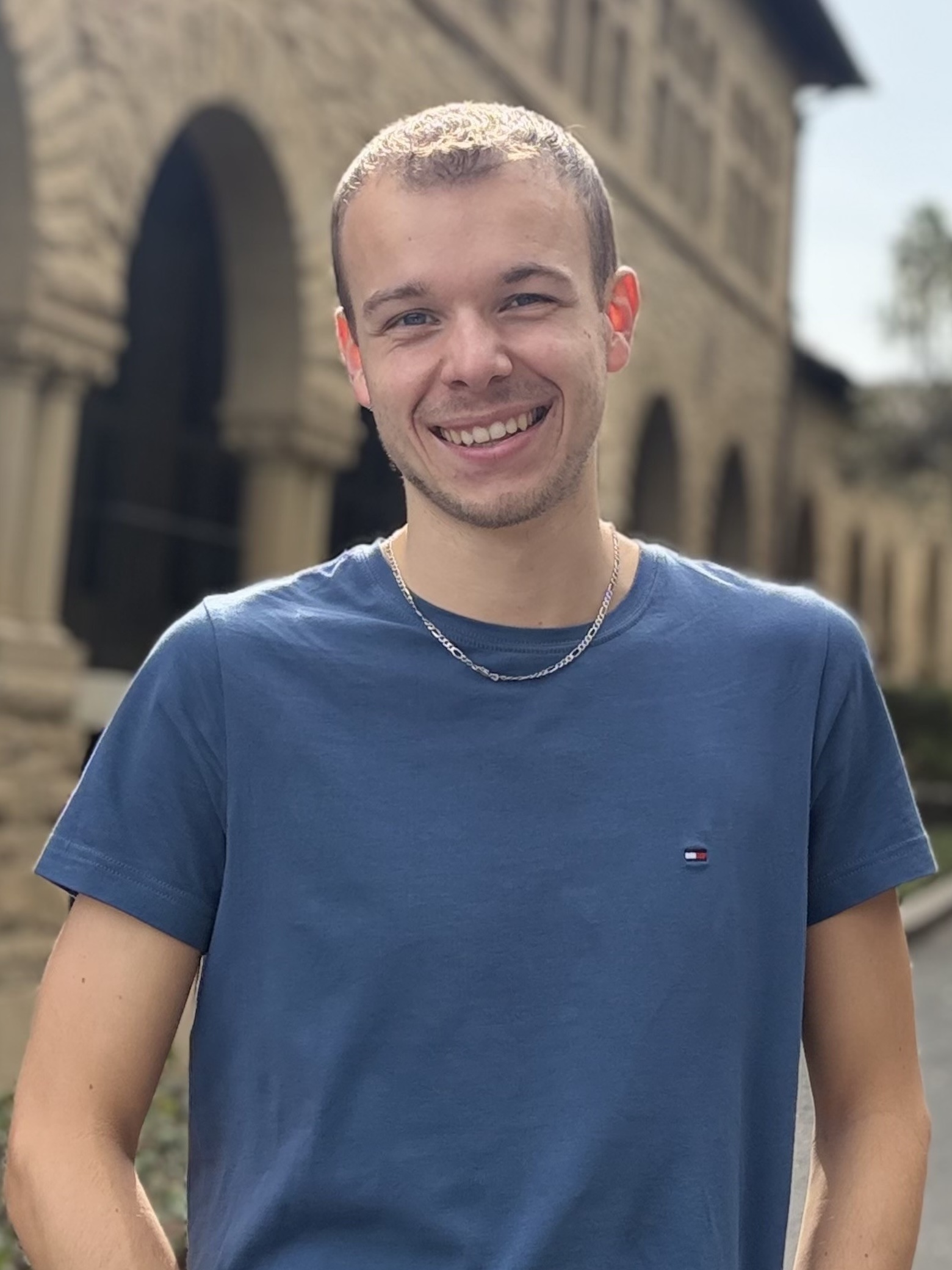
Benjamin Erickson is a Principal Professional and Lab Manager in the Van Rechem Lab. He received his B.S. in Microbiology from the University of Colorado Denver and has over 19 years of research experience in the Bentley Lab at the University of Colorado Anschutz, where he served as Senior Professional Research Assistant. His scientific background spans molecular biology, genomics, and computational analysis, with particular expertise in transcriptional regulation and next-generation sequencing approaches.
As Principal Professional and Lab Manager, Ben plays a central role in supporting the lab’s research and day-to-day scientific operations. He develops and implements new experimental approaches and protocols, helps establish and advance projects across the lab, and provides technical and scientific support to postdoctoral fellows and graduate students. He also oversees the training and mentorship of undergraduate and high school researchers in both wet-lab and computational methods.
Ben has extensive expertise in next-generation sequencing approaches and bioinformatics, including the development of pipelines for the analysis and visualization of large-scale genomic datasets. His experimental expertise includes chromatin immunoprecipitation (ChIP), RNA immunoprecipitation (RIP), and sequencing library preparation, with particular experience studying the machinery regulating mRNA transcription and termination. He also plays an important role in bringing projects to completion and supporting their progression toward publication.