The University of Colorado Anschutz is one of the few medical centers in the country with a dedicated cerebrospinal fluid (CSF) leak program. The multidisciplinary team specializes in the diagnosis and treatment of spontaneous intracranial hypotension as well as other secondary CSF leak syndromes and treats patients from all over the country and the globe.
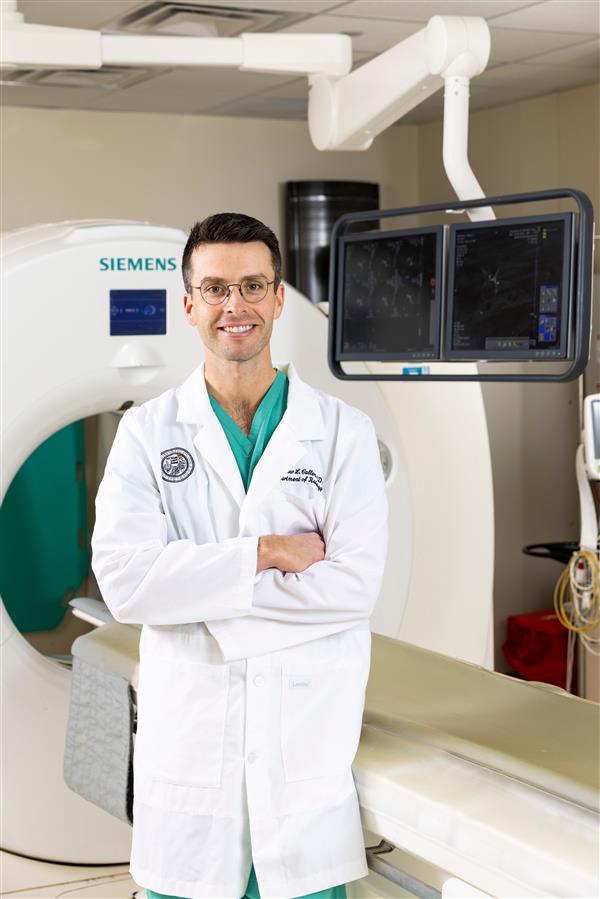
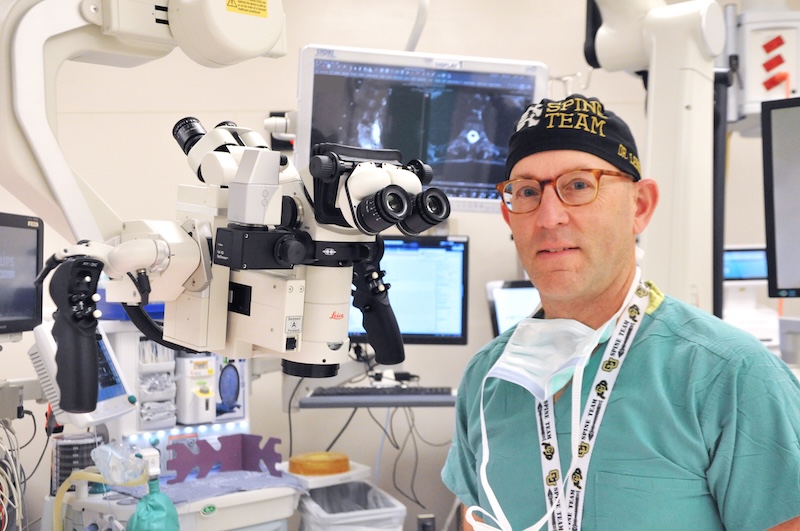
The CSF (cerebrospinal fluid) Leak Program is led by interventional neuroradiologist, Andrew Callen, MD and by spinal neurosurgeon, Peter Lennarson, MD.
CSF leaks are challenging to treat due to the complexity of diagnosis and management. A multidisciplinary approach is important for optimal patient outcomes. The collaborative CSF leak team consists of neurosurgeons specializing in spinal neurosurgery, interventional neuroradiologists, and neurologists.
Intracranial hypotension is a syndrome caused by a cerebrospinal fluid leak. Some CSF leaks occur spontaneously. One form of spontaneous spinal leak occurs when a hole in the dural sheath surrounding the spinal cord and nerves leaks CSF into the surrounding tissues. Another, increasingly recognized cause of spontaneous leak is called a spinal cerebrospinal fluid venous fistula. In this condition, CSF is leaking back into the blood stream from an abnormal vein.
Other common forms of CSF leak can occur from spinal trauma or certain medical procedures, including spine surgeries or dural punctures. A dural puncture may be performed intentionally, as in a spinal tap for diagnostic testing, or it may occur unintentionally as a complication of a spinal injection or epidural anesthesia.
Patients with spinal CSF leaks usually experience frequent, intense headaches and may go years before an accurate diagnosis. Patients may also experience neck pain, tinnitus, hearing loss, nausea, blurry vision, and cognitive disturbances often termed “brain fog”. A less common, but serious side effect of a chronic CSF leak is a neurological condition called superficial siderosis of the central nervous system. This condition can cause permanent neurological deterioration of the brain and spinal cord.
If a CSF leak is suspected, the team orders specialized MRI studies of the brain and spine. Depending on MRI findings, diagnosis and exact localization of a leak may require a more invasive study called a dynamic computed tomography myelogram.
Initial management of CSF leaks includes bed rest, increased fluid intake, and medications to treat headaches. If these measures are ineffective, epidural blood or fibrin patching may be recommended.
When all these measures fail, surgical intervention may be recommended. Surgical outcomes are very favorable, but long-term follow-up care is necessary to ensure a leak has been successfully treated.