Parkinson's disease is the fastest growing neurodegenerative disease in the world with over 1 million people in the U.S. living with the disease. Parkinson's disease occurs when brain cells stop creating dopamine. The disease slowly progresses with worsening symptoms including tremor, rigidity, slowness of movement, and balance issues. Parkinson's disease can also interfere with sleep, digestion, and mood.
While there is still no known cure for Parkinson's disease, researchers on the CU Anschutz campus are looking to improve symptoms in Parkinson's patients through deep brain stimulation therapy and high-intensity focused ultrasound treatment. The care team offers these surgical options to patients who do not receive symptom relief from medications.
Patients considering surgery undergo a careful evaluation with the CU Anschutz Advanced Therapies for Movement Disorders (ATMD) team. During the evaluation, the patients diagnosis and previous treatments are reviewed by an expert in the field. After evaluation, all reasonable treatment options, including medications, continuous infusions, and surgical options, are discussed with the patient. The ATMD team tailors the treatment to meet the goals of each individual patient.
Researchers are also studying how Parkinson's affects the brain using Neuropixels technology, and offer multiple clinical trials on campus, including a trial evaluating an investigational cell therapy designed to replace the brain cells that produce dopamine, working closely with researchers in the neurology department on campus. CU Anschutz is the only institution in the Rocky Mountain region to be approved as a surgical site for this trial in addition to being a clinical site for the trial.
Deep brain stimulation (DBS) therapy for patient's with Parkinson's diease can greatly reduce rigidity, slowness of movement, and shaking, and can greatly shorten the length of time in which excessive involuntary movements or fluctuations occur.
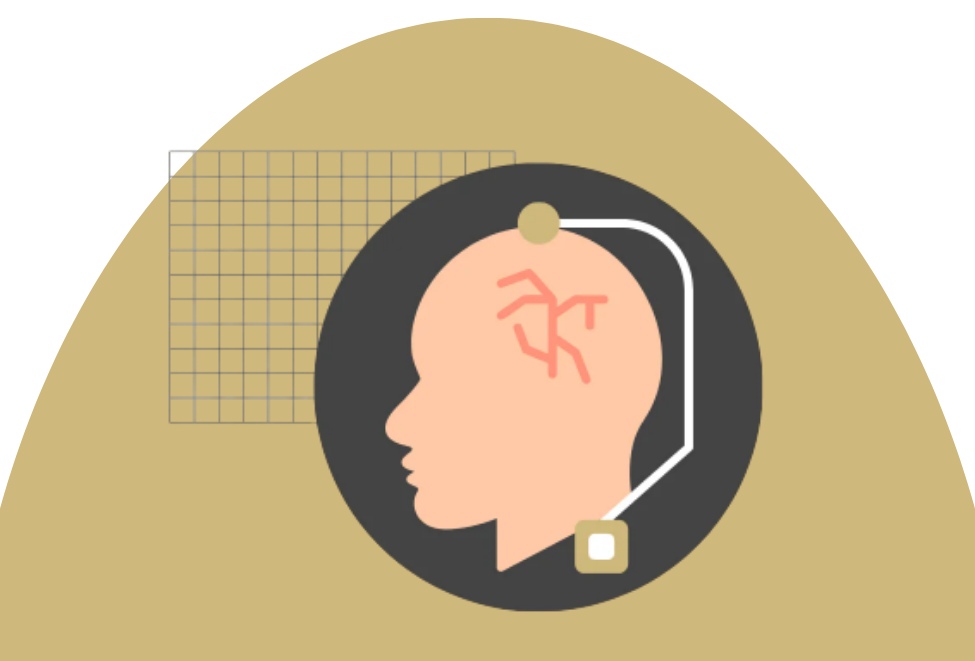
DBS is an advanced treatment available for essential tremor, Parkinson's disease, and dystonia. DBS is a type of brain surgery that uses electrical implants to improve control of movement by blocking the abnormal activity of neurons that cause debilitating neurological problems. While it is not a cure, DBS can restore a patient's quality of life and help patients get back to doing things that were made difficult by their tremor.
During DBS surgery, thin wires with attached electrodes are implanted into specific areas of the brain. Based on the disorder and symptoms, our highly-trained, multidisciplinary team determines the precise location of where to place the electrodes. The wires are then connected to a small pulse generator (neurostimulator) placed under the skin of the chest near your collarbone. A few weeks after everything has been implanted, the neurostimulator is programmed and adjusted to best control your symptoms.
Patients with Parkinson's disease may be a candidate for DBS if they meet the following criteria:
Success of the DBS procedure is highly dependent on the surgical team's ability to effectively place and program the electrode stimulators. UCHealth's Movement Disorders Center is currently one of the largest academic and research DBS surgery centers in the Rocky Mountain region.
High-intensity focused ultrasound (HIFU) is an incisionless therapeutic technology used to identify, target, and treat the precise area in the brain responsible for the tremor. Guided by MRI, ultrasound waves are used to treat deep structures in the brain that are responsible for the tremor. The temperature at the target rises high enough to create a small ablation or burn. This provides a therapeutic effect.
Patients who have been diagnosed with essential tremor or tremor-dominant Parkinson's disease who do not receive tremor relief from medications many benefit from a focused ultrasound consultation.
Focused ultrasound for Parkinson's disease is an outpatient procedure, and patients typically go home on the same day. The results are immediate and there is no upper age limit for the procedure. Patients that do not meet the criteria for deep brain stimulation may be candidates for HIFU.
HIFU has been approved in Colorado for staged unilateral treatment, treating both sides of the brain with a minimum of nine months between treatments.
Patients may be a candidate for focused ultrasound if they meet the following criteria:
In addition to the above criteria, patients will undergo a complete head shave before the procedure.
Learn more about focused ultrasound for Parkinson's disease during an upcoming patient webinar led by Drew Kern, MD.