

Incoming Neuro Oncologist Corinna Fukushima, MD, Highlights her Philosophy in ‘Partnering with Patients’
Neuro oncologist Corinna Fukushima, MD, joins CU Anschutz to provide compassionate care to brain cancer patients.
Makenzie Hardy Sep 2, 2026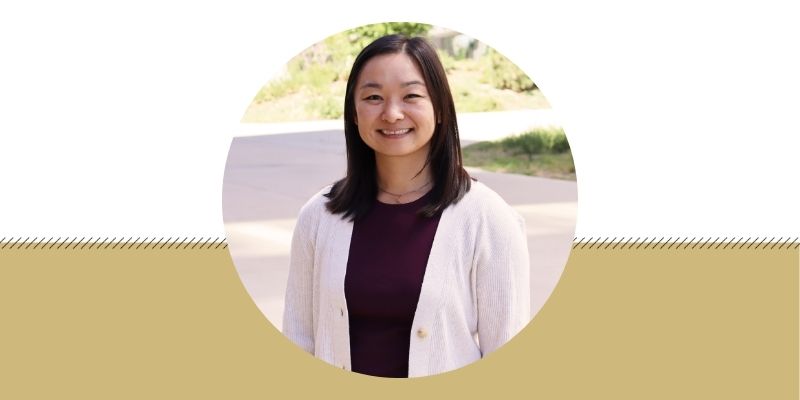
Severe headache, new seizures, sudden weakness, balance issues — these can be warning signs of a brain tumor. In the emergency department, a patient presenting with any of these symptoms undergoes medical imaging to confirm the presence of a tumor. If a brain tumor is detected, a neurosurgeon is consulted and the patient is scheduled for resection surgery or a biopsy to diagnose the tumor type.
Within a week the patient may receive a life-altering brain tumor diagnosis, such as glioblastoma (GBM), a diagnosis given to more than 12,000 new patients in the United States every year. A quick web search reveals that a glioblastoma diagnosis is terminal, with a median life expectancy of only 12 to 18 months with fewer than 7% of patients surviving past five years.
After the initial resection surgery and diagnosis, the patient enters an unknown treatment landscape for an incurable disease. The most important member of their care team becomes a neuro oncologist, like Corinna Fukushima, MD, assistant professor of neurosurgery at the University of Colorado Anschutz School of Medicine, who recently joined the brain tumor team to provide support to Colorado patients.
“My philosophy is partnering with patients to learn what’s important to them,” says Fukushima. “I want to be able to provide them with different therapies whether its chemotherapy or experimental medications in the clinical trial stage.”
Brain tumor program at CU Anschutz
The collaborative environment at CU Anschutz and the growing momentum of the brain tumor program drew Fukushima to join the team. She will work closely with neuro oncologist Denise Damek, MD, primarily on malignant gliomas.
She will also work closely with neurosurgical oncologist Eddie Tsvankin, MD, and physician-scientist and neurosurgery department chair, Peter Fecci, MD, PhD.
“Dr. Tsvankin has been in Colorado for a while and he knows the patient population,” Fukushima says. “Dr. Fecci brings a lot of experience both clinically and research wise in the brain tumor space and getting to work with him to eventually bring that research to the bedside will be amazing.”
Putting the patient at the center of care
In college, Fukushima’s academic focus was philosophy and bioethics. During medical school, her growing interest in the intersection of an individual’s care philosophies and decision-making during a terminal cancer diagnosis drew her to the field of neuro oncology.
During her neurology residency at Rush University Medical Center followed by a fellowship in neuro oncology at the University of California, San Francisco, Fukushima deepened her understanding of how to put a brain tumor patient at the center of their care while providing resources and treatment options tailored to their goals.
The specialty requires a high level of emotional resilience to help patients and caregivers navigate treatment. Fukushima brings compassionate care and medical expertise to brain tumor patients at CU Anschutz. Fukushima will work with specialists across campus to help patients make informed decisions about their care.
“I want to offer patients what they are interested in, whether that is high quality, compassionate standard of care, bringing them clinical trial access, or offering any support at end of life,” Fukushima says.
Brain tumor clinical trials
Fukushima says she looks forward to being part of a team that provides cutting-edge care to patients, which includes brain tumor clinical trials.
Fukushima says there are more patients interested in enrolling in clinical trials than space available. She hopes to increase the number of clinical trials offered to local patients and accessibility to those trials.
“I want our clinical trial options to be front and center and clear for patients so they can see what we have to offer,” Fukushima says. “My goal is to open the doors to clinical trials for patients because we know that GBM and gliomas in general do not have cures and do not have great treatments.”
Over the past five years, Fukushima says there have been promising advances in targeted therapies, specifically for IDH mutant gliomas and BRAF-mutated gliomas. These targeted therapies proved effective in treating other cancers. Brain tumor researchers on campus and around the world are conducting basic science research to better understand tumor biology in order to develop better targeted therapies.
Clinical trials are important for researchers to apply their research findings with the hope of one day developing a cure for these aggressive brain tumors. Many of Fukushima’s patients want to be part of this research.
What is neuropalliative care?
Palliative care — an approach to practicing medicine that addresses symptom management, alleviating pain, assessment of psychosocial and spiritual distress or suffering, and practical support for patients and their caregivers with a goal of improving quality of life for patients — is often a necessary component of comprehensive cancer care.
Fukushima says she looks forward to working closely with the interdisciplinary neuropalliative team on campus, which specializes in medical care for patients with life-limiting neurological diagnoses to improve quality of life for both the patient and the family.
Similar to Fukushima’s care approach, the neuropalliative care team aims to provide support to brain tumor patients and their families through close communication, help navigating the healthcare system, guidance with difficult and complex treatment choices, community resources, and emotional and spiritual support.
Brain tumor community
Fukushima aims to build on the wrap around support offered to family members and caregivers, something that is extremely valuable to patients.
"GBM affects both patients and their loved ones,” Fukushima says. “I want to make sure loved ones are supported too.”
She also wants family members to be aware of the many support groups offered, both online and in-person, that can reduce emotional isolation and help family members develop coping strategies from others facing their same challenges.
Community is important to patients and their surviving family members and connection with that community is important to Fukushima. She plans to be an active member of the Colorado brain tumor community, both as a physician and as a citizen.
This month, Fukushima will join other faculty and staff members from the neurosurgery department at the annual Colorado Brain Tumor Walk hosted by the National Brain Tumor Society. The walk is the largest brain tumor event in the state and raises money for brain tumor research. The event will give Fukushima an opportunity to connect with patients, their families, and surviving family members walking in memory of a loved one.
Through community outreach and seeing patients in the clinic, Fukushima’s top priority in her new role is getting to know patients and giving them the best clinical care possible.
“I am excited to help grow the brain tumor team and be a part of this great department.”