

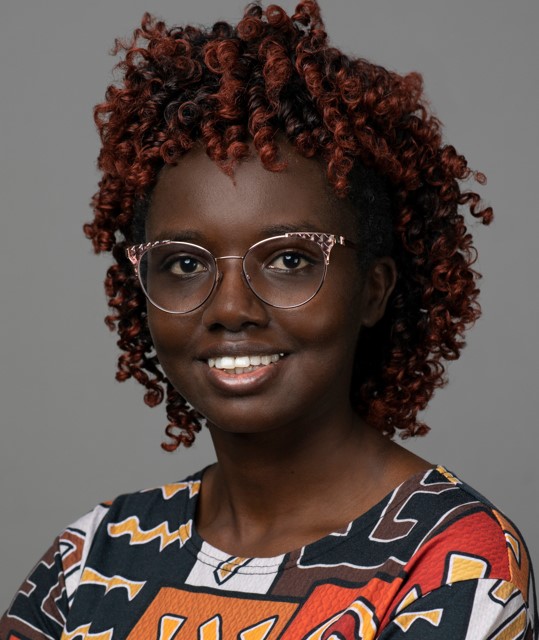
BA, Colby College
Ph.D. Washington University School of Medicine
Pancreatic beta-cells are highly specialized insulin-secreting cells, and their loss or dysfunction causes diabetes. Type 1 diabetes (T1D) results from targeted immune-cell mediated degradation of beta-cells, and an emerging model posits that beta-cells become dysfunctional early and contribute to their destruction. Type 2 diabetes (T2D) is characterized by insulin resistance and beta-cell dysfunction leading to hyperglycemia. The beta-cell’s specialization for high-level insulin synthesis and its dependence on mRNA translation for protein regulation make it particularly vulnerable to translational errors and endoplasmic reticulum (ER) stress. However, the quality control mechanisms that monitor mRNA translation and ensure optimal beta-cell function remain poorly understood, as does their contribution to diabetes pathogenesis.
The focus of my laboratory is to uncover co-translational quality control mechanisms in beta-cells that maintain optimal function, and to define the contexts in which their dysregulation contributes to diabetes. More specifically, we aim to understand how stressors in the beta-cell microenvironment interact with mRNA translation quality control mechanisms to trigger autoimmunity in T1D and drive disease progression in T2D. Ultimately our mission is to develop novel approaches to protect beta-cells from immune destruction, prevent progressive beta-cell failure in diabetes, and improve functionality of ex vivo beta-cells for cell replacement therapies.
To uncover these mechanisms, we integrate biochemical and multi-omics tools—including reporter assays, ribosome profiling, sequencing, proteomics, and CRISPR/Cas9 screening—using complementary models ranging from cell lines and primary human/mouse/rat islets to stem cell–derived beta-cells and in vivo systems. Our work sits at the intersection of fundamental biology and translational research, fostered through collaborations with basic scientists in the Department of Biochemistry and Molecular Genetics and the Barbara Davis Diabetes Center.
| Pictures | First Name | Last Name | Job Title | |
|---|---|---|---|---|
|
*Equal contribution.
Kong L., Cheng C., Cheruiyot A., Yuan J., Yang Y., Hwang S., Foust D., Tsao N., Wilkerson E., Mosammaparast N., Major MB., Piston DW., Li S., You Z. TCAF1 promotes TRPV2-mediated Ca2+ release in response to cytosolic DNA to protect stressed replication forks. Nat Commun. 2024; May 30;15(1):4609. doi: 10.1038/s41467-024-48988-6. PMID: 38816425; PMCID: PMC11139906.
Cheruiyot A., Hollister-Lock J., Sullivan B., Pan H., Dreyfuss J., Bonner-Weir S., and Schaffer JE. Sustained hyperglycemia specifically targets translation of mRNAs for insulin secretion. J Clin Invest. 2024;134(3):e173280. PMID: 38032734; PMCID: PMC10849759.
Li S., Kong L., Meng Y., Cheng C., Lemacon DS., Yang Z., Tan K., Cheruiyot A., Lu Z., You Z. Cytosolic DNA sensing by cGAS/STING promotes TRPV2-mediated Ca2+ release to protect stressed replication forks. Mol Cell. 2023; Feb 16;83(4):556-573.e7. doi: 10.1016/j.molcel.2022.12.034. Epub 2023 Jan 24.
Yang Z., Lemacon DS., Li S, Cheruiyot A., Kong L., Tan K., Cheng C., Turkay E., He D., and You Z. Context-dependent pro- and anti-resection roles of ZKSCAN3 in the regulation of fork processing during replication stress. Journal of Biological Chemistry. 2022; Jun 29:102215.
*Cheruiyot A., *Li S., Srivatsan S., Ahmed T., Chen Y., Lemacon DS., Li Y., Yang Z., Wadugu B., Warner W., Pruett-Miller S., Obeng E., Link D., He D., Xiao F., Bailis J., Wang X., Walter M., and You Z. Nonsense Mediated RNA Decay Is a Unique Vulnerability of Cancer Cells Harboring SF3B1 or U2AF1 Mutations. Cancer Research. 2021; 81(17):4499-4513
*Cheruiyot A., *Li S., Nickless A., Roth R., Fitzpatrick A., You Z. Compound C Inhibits Nonsense-mediated mRNA Decay Independently of AMPK. PLoS One. 2018; 13(10):e0204978.
Nickless A., Cheruiyot A., Flanagan K., Piwnica-Worms D., Stewart S., and You Z. p38 MAPK inhibits nonsense-mediated RNA decay in response to persistent DNA damage in noncycling cells. Journal of Biological Chemistry. 2017; 292(37):15266-15276.
Wang Z., Zhang H., Liu J., Cheruiyot A., Lee J-H., Ordog T., Lou Z., You Z., and Zhang Z. USP51 deubiquitylates H2AK13,15ub and regulates DNA damage response. Genes & Development. 2016; 30(8):946-959.
*Cheruiyot A., *Paudyal S., *Kim I-K., Sparks M., Ellenberger T., Piwnica-Worms H., and You Z. Poly(ADP-ribose)-binding Promotes Exo1 Damage Recruitment and Suppresses Its Nuclease Activities. DNA Repair. 2015; 35:106-115.
Cheruiyot A., Lee J-A., Gao F-B., and Ahmad ST. Expression of mutant CHMP2B, an ESCRT-III component involved in frontotemporal dementia, causes eye deformities due to Notch misregulation in Drosophila. The FASEB Journal. 2014; 28(2):667-675.