
Fellowship Co-Director
Clinical Site: University of Colorado Hospital
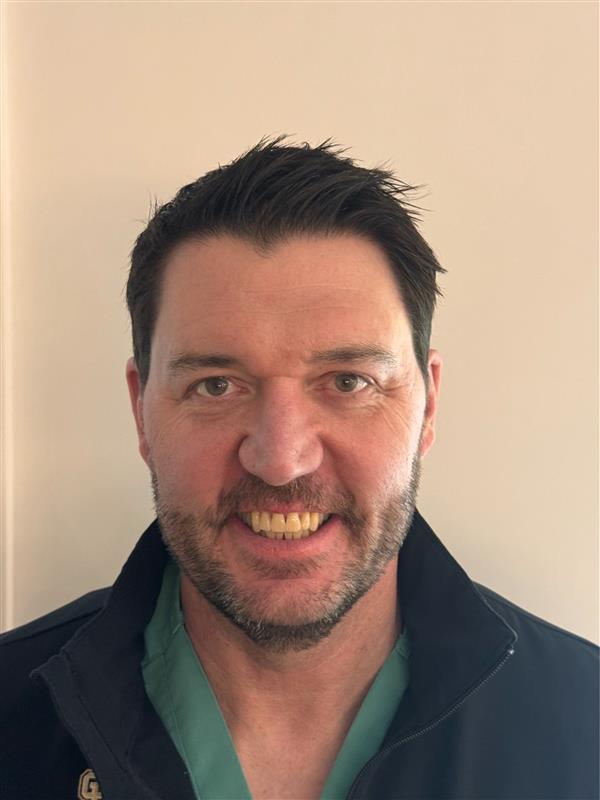
Fellowship Co-Director
Clinical Site: University of Colorado Hospital
The purpose of this post-graduate fellowship is to expose, train and immerse APPs to the vast and fast-paced environment that is emergency medicine. The physician emergency medicine residency at Denver Health and The University of Colorado Department of Emergency Medicine is one of the oldest emergency medicine residencies in the country and is considered a premier, flagship residency.
The APP fellowship at The University of Colorado has the privilege of shared resources including facilities, conferences and lectures, and faculty who have been trained in a variety of fellowships (including ultrasound, toxicology, global health, wilderness medicine, critical care, climate change, and administration).
Requirements
Required Certifications
Certification Maintenance
Fellows are required to independently maintain current certification throughout the duration of the program. This requirement applies to:
Fellowship applications are reviewed in a rolling fashion with the goal of selecting one new fellow to start every six months (e.g., Fall and Spring start dates). While the dates below represent ideal application and interview time frames, there is no set timeline to allow for more flexibility for applicants regarding starting dates.
Spring/Summer start date:
October 15: Applications due
November 1-15: Preliminary interviews
December 1-7: Final interviews
Jan 1: Credentialing begins
April 1: Fellowship begins
Fall/Winter start date:
March 15: Applications due
April 1-15: Preliminary interviews
May 1-7: Final interviews
June 1: Credentialing begins
October 1: Fellowship begins
All applications will be reviewed and considered; review and response time may be variable.
The fellowship delivers a comprehensive, hands-on learning experience that integrates clinical practice, simulation, and structured didactics to prepare APPs for success in emergency medicine.
This sample schedule is provided for general reference. Rotation offerings and structure may vary, and additional experiences may be available.
Introduction/Onboarding
Three-month formal evaluation
Nine-month formal evaluation
Fifteen-month formal evaluation, post-graduation planning
Final evaluation
*Longitudinal U.S. rotation to occur during first six months of training.
Introduction\Onboarding