

The CU Anschutz Department of Medicine Leadership, Informatics, Quality, and Systems (LInQS) fellowship, aims to develop future leaders in quality, clinical informatics, and learning healthcare systems and system design among the CU Anschutz Department of Medicine fellows and faculty.
This 2-year program offers didactics, mentorship, and hands-on training from expert faculty.


Year 1 provides structured didactic foundations through biweekly seminars, workshops, quarterly works-in-progress sessions, and the partnership with the Institute for Healthcare Quality, Safety, and Efficiency Foundations in Healthcare Leadership training program.
Year 2 provides continued protected time for project implementation, iteration, and dissemination. Graduates will be equipped to lead system-level change, apply informatics tools, produce high-quality scholarly work, and guide future improvement leaders.
During the first three months of the LInQS Fellowship, participants focus on project scoping and design. By the end of year 1, fellows advance to proposal development and scholarly skill building, culminating in a summative presentation.
Year 2 emphasizes project immersion with protected time and quarterly milestones, including implementation launch, iteration and data review, and scaling with stakeholder engagement. The fellowship concludes with a capstone presentation at the end of year 2.
Required division head or program director commitment towards protected time (e.g., 25% protected time for fellows and 10% protected time/one half day clinic less for faculty) and cost for IHQSE's Foundations in Healthcare Leadership activity.
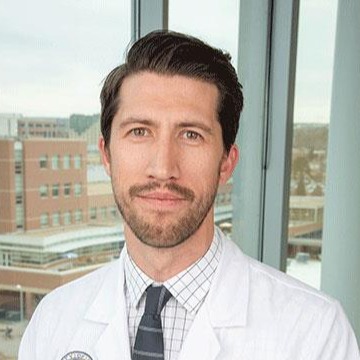
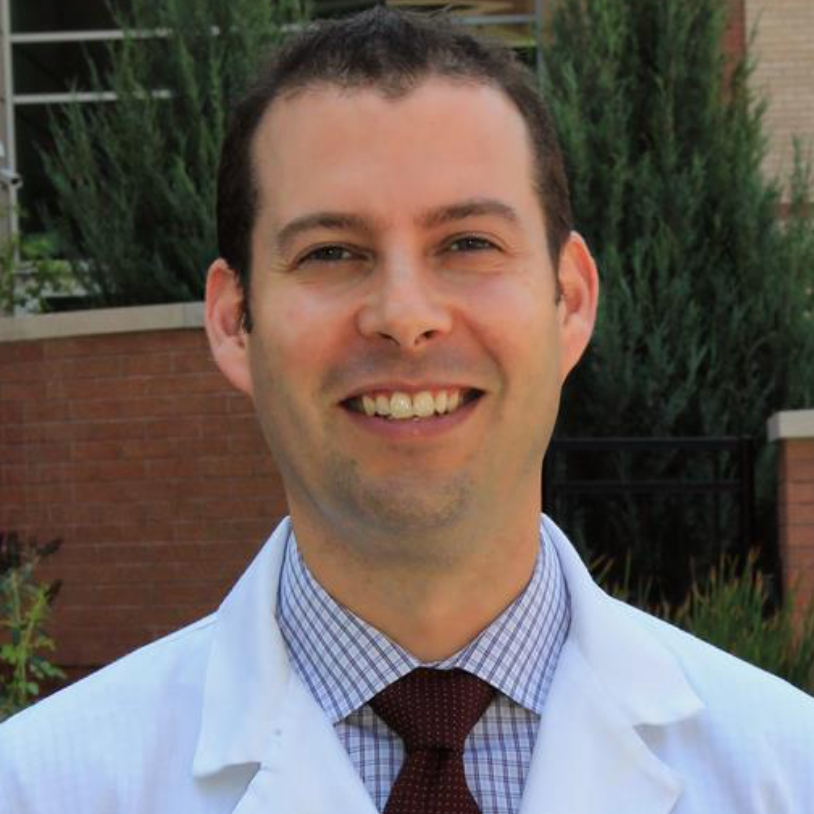
As a LInQS fellow, you are supported by a multidisciplinary team throughout the two‑year program to ensure your development and project success. Your coach works with you longitudinally to guide goal setting, track progress, and support milestone achievement, while your mentor provides focused guidance across your project lifecycle to ensure strong, high‑quality outcomes.
Faculty, quality leaders, and division heads support your learning and provide strategic alignment, while the quality team, data analysts, and program manager offer continuous operational, analytic, and logistical support. Together, this team creates a structured, supportive environment to help you grow and lead meaningful healthcare improvement.
The LInQS (Leadership, Informatics, Quality Improvement, and Systems) Fellowship is a structured two-year program designed to prepare clinicians to lead healthcare transformation. The program integrates quality improvement, clinical informatics, learning health systems, leadership, and scholarship while guiding fellows through a clear progression from foundational learning to applied project work.
Year 1 (Didactic Foundations): fellows participate in biweekly sessions focused on core improvement frameworks, domain-specific learning, and project design. This year emphasizes building knowledge and developing a strong project proposal, culminating in a formal presentation.
Year 2 (Project Immersion): fellows transition to implementing their projects with dedicated protected time and defined milestones for launch, iteration, scaling, and dissemination. The program concludes with a capstone presentation that highlights project outcomes and overall impact.
Throughout the two-year LInQS Fellowship, fellows receive longitudinal coaching to support professional development, performance, and project success. Coaches partner with fellows to set and refine learning goals, provide regular feedback on leadership and project progress, and identify growth areas across quality improvement, informatics, leadership, and scholarship.
Coaches also promote accountability by helping fellows stay on track with program milestones, strengthen time management, and translate feedback into actionable next steps. In addition, they support career development by guiding fellows in exploring pathways in quality and safety, informatics, and leadership, while fostering professional identity, networking, and long-term career planning.

The LInQS coursework prepares clinicians to lead healthcare transformation by building practical skills across key areas:
Fellows learn the full improvement cycle, including problem identification, needs assessment, goal setting, implementation, and evaluation, with a strong focus on applying these skills to achieve measurable impact.

.png?sfvrsn=e32db1b4_0)
.png?sfvrsn=992db1b4_0)
.png?sfvrsn=a92db1b4_0)

.png?sfvrsn=fa4927b4_0)


.png?sfvrsn=8d5683b4_3 "Untitled design (27)")