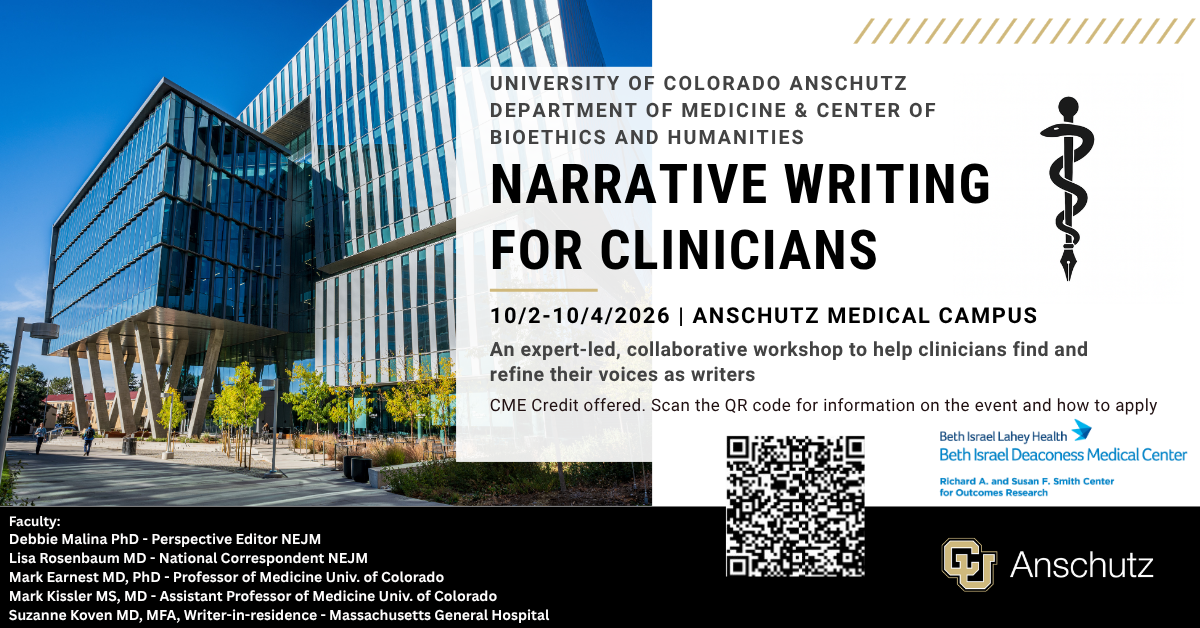
CME Credit will be offered. Limited cohort. Applications reviewed on a rolling basis — early applications have the best chance of a place.
**Special rate and limited scholarships offered for trainees! Learn more by selecting Apply below.
CME Credit will be offered. Limited cohort. Applications reviewed on a rolling basis — early applications have the best chance of a place.
**Special rate and limited scholarships offered for trainees! Learn more by selecting Apply below.
Who should apply?
Clinicians across specialties and career stages who write, or want to. You need not be published. What matters is a piece of your own narrative writing you are willing to share, and a willingness to give and receive honest feedback.
Overview
Over three days, a small cohort of clinicians works closely with a faculty of leading clinician-writers and editors to develop a piece of their own narrative writing. The format alternates small-group workshops, where you receive detailed feedback on your work, with plenary sessions on craft, editing, and the writing life. You will leave with a revised piece, concrete approaches to carry forward, a clearer sense of how writing fits your professional life, and connections to a community of clinician writers.
Learning objectives
By the end of the workshop, participants will:
- Workshop and revise a piece of their own narrative writing with feedback from peers and faculty
- Articulate how form and content work together to make a unified whole
- Leave with at least five new ideas or approaches to incorporate into their writing
- Articulate their writing goals for the coming year
- Describe how they will integrate writing into their professional lives
October 2–4, 2026 (Friday–Sunday). The program begins around midday Friday and concludes by early afternoon Sunday. Plan travel to be present from Friday morning through Sunday lunchtime; final times are confirmed on acceptance.
Tuition: $600 for regular registration. $250 for trainees. Limited tuition assistance is available for trainees.
Location: Anschutz Medical Campus, Aurora, Colorado.
Getting here: Denver International Airport (DEN) is the nearest major airport, roughly a 30-minute drive from campus.
Accommodation: Through 9/1/26, a discounted block of rooms is held within walking distance of campus; participants reserve their own room within the block. The Benson Hotel and Faculty Club will be linked below. Alternatively, the Hyatt can also be booked but without a room block.
The Benson Hotel & Faculty Club
Meals: Most meals are provided, from Friday lunch through Sunday lunch. One evening is left free for dinner on your own.
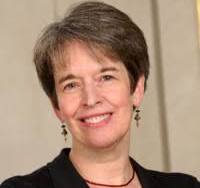
Debbie Malina, PhD — Perspective Editor, New England Journal of Medicine - Debbie Malina has served as the Perspective Editor for the New England Journal of Medicine for over 25 years. In addition to her editorial expertise, she is an experienced writing teacher and coach.
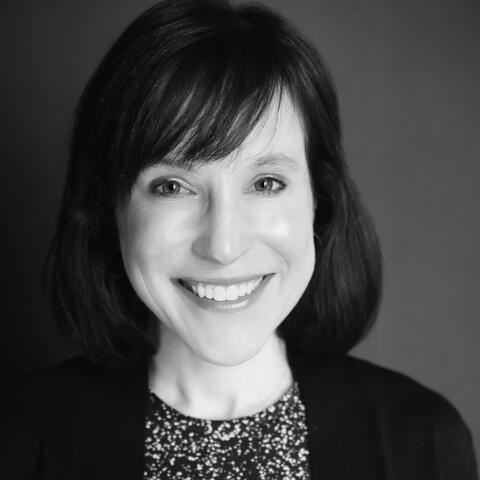
Lisa Rosenbaum, MD *Joining Virtually — National Correspondent, New England Journal of Medicine - Lisa Rosenbaum is a cardiologist and National Correspondent for the New England Journal of Medicine. She is also the host of the podcast “Not Otherwise Specified.” In addition to the NEJM, her writing has appeared in the New York Times and the New Yorker as well as numerous other outlets.
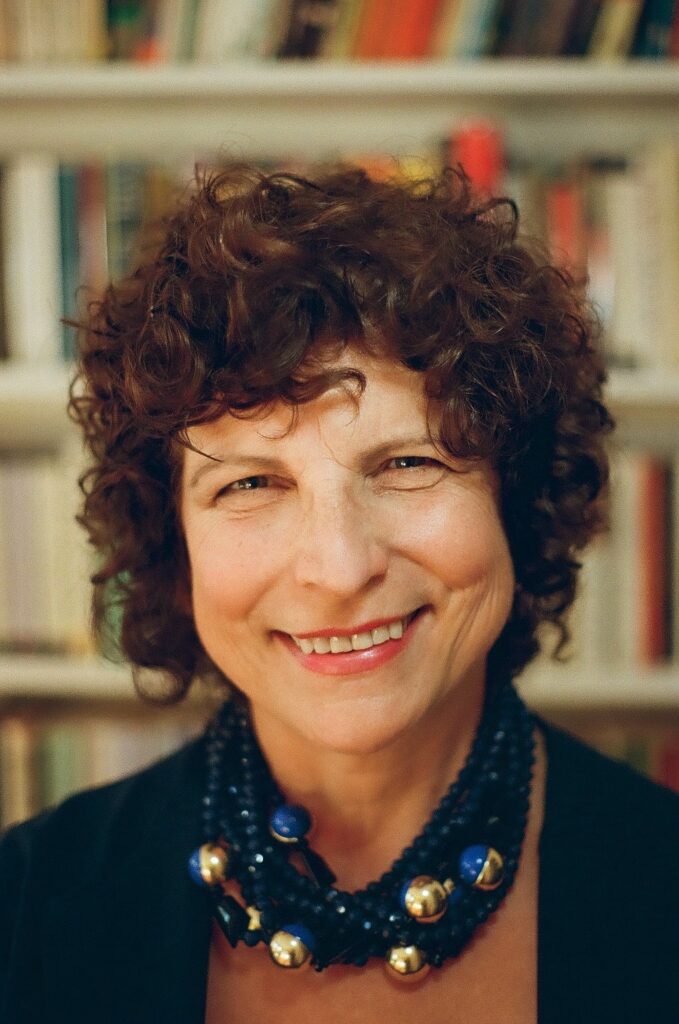
Suzanne Koven, MD, MFA — Writer-in-Residence, Massachusetts General Hospital - Suzanne Koven is Writer-In-Residence at Massachusetts General Hospital. Her writing has appeared in numerous journals, newspapers, and magazines and she is the author of “Letter to a Young Female Physician” - a collection of essays.
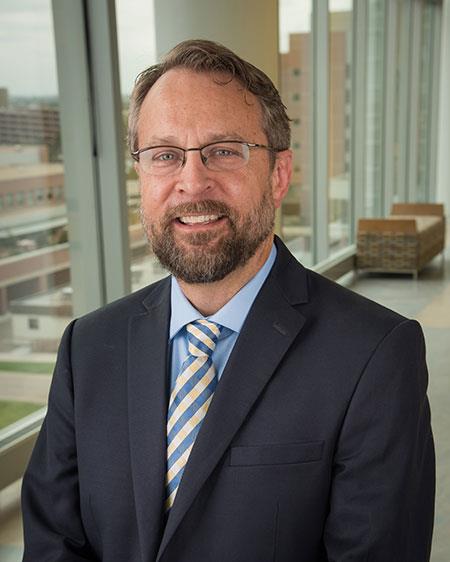
Mark Earnest, MD, PhD — Professor of Medicine, University of Colorado - Mark Earnest is an internist, writer, educator, and the Meiklejohn Professor of Medicine at the University of Colorado School of Medicine where he also serves as the Division Head for General Internal Medicine. His creative, nonfiction narrative writing appears regularly in The New England Journal of Medicine and other journals such as the Annals of Internal Medicine and JAMA. He has taught writing to medical learners for three decades and regularly mentors physician-writers.
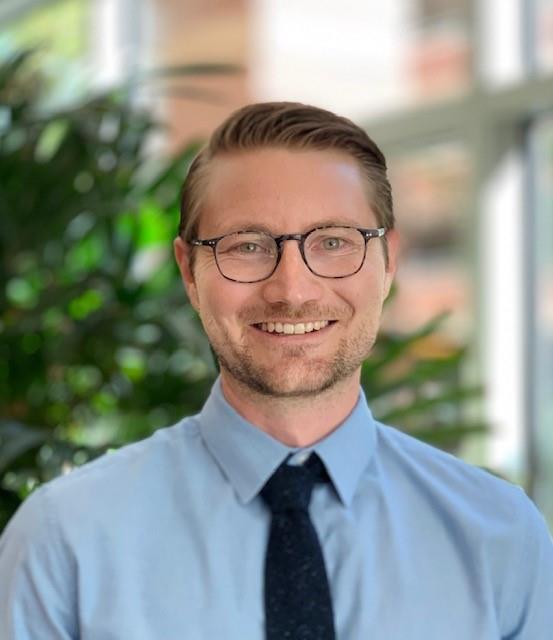
Mark Kissler, MS, MD — Assistant Professor of Medicine, University of Colorado - Mark Kissler is an internist, writer, and medical educator. He holds a Master of Science in Narrative Medicine from Columbia University, and his scholarly work centers on the role of attention in clinical practice. His writing on attention, health humanities, and care has appeared in The New England Journal of Medicine, Annals of Internal Medicine, and the Journal of Medical Humanities. At Colorado, he leads writing workshops and local and national lectures on writing and clinical care. He has mentored physician writers whose work has appeared in the New England Journal of Medicine and received recognition in the Paul Kalanithi Writing Prize.