109 publications in 2025


109 publications in 2025
26 Operative Neurosurgery Faculty
More than 5,000 OR cases per year
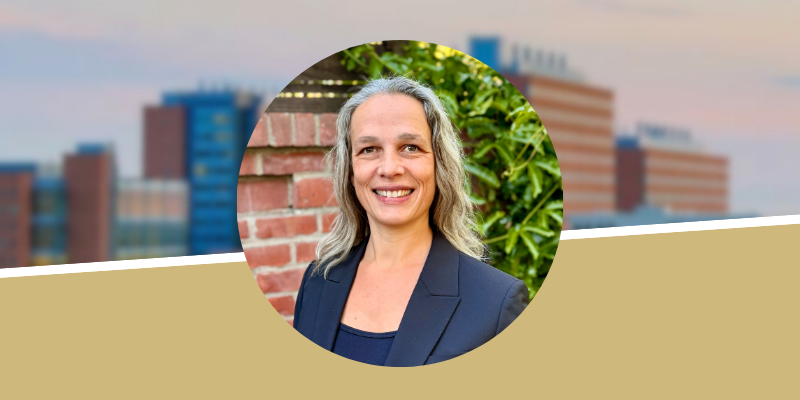
Drawn by her commitment to advancing pediatric brain tumor research, Capucine Van Rechem, PhD, has joined the University of Colorado Anschutz School of Medicine as an associate professor amid the rapid expansion of the brain tumor program.
Van Rechem joined the CU Anschutz School of Medicine this spring from Stanford University. In 2024, her colleagues at Stanford conducted a clinical trial for children with high-grade gliomas using a type of CAR T cell therapy. A teenage patient from the study is now in long-term remission, and researchers found that the therapy shrank the tumors in other study participants.
The success of the Stanford clinical trial now has research teams investigating how to refine targeting to develop more effective treatment options. Researchers are still trying to understand how this patient’s cancer cells responded to the therapy to then guide future treatment success.
Van Rechem says understanding the alterations present in cancer cells can help researchers find the right target to then develop more effective treatment options.
Brain tumors are the leading cause of cancer-related death in children. Despite their relatively low overall incidence, pediatric high-grade gliomas are highly aggressive and responsible for over 40% of all childhood brain tumor deaths.
Each pediatric brain tumor type has distinct genetic drivers, locations, and behaviors that influence treatment options. Van Rechem’s primary research focus is on diffuse midline gliomas and rhabdoid tumors — two highly aggressive diseases driven by genetic changes that disrupt how cells regulate their genetic instructions.
Rhabdoid tumors often require aggressive combinations of surgery, chemotherapy, and radiation tailored to the child’s age and tumor genetics. Some patients with rhabdoid tumors can be cured with intensive multimodal therapy, but surviving children often suffer from significant long-term consequences.
“Clinicians often emphasize that no two tumors are alike, highlighting that each child’s tumor is biologically unique,” Van Rechem says. “This reflects the principle of precision medicine, where treatment is tailored to the individual tumor biology. Treatment must be personalized rather than standardized.”
Since diffuse midline glioma cannot be removed surgically due to its location and biology, radiation is the primary treatment. Currently, there is no cure for diffuse midline gliomas.
“In this particular cancer, we approach new potential treatments by targeting the metabolism of the cells and by improving response to radiation therapy — the standard of care — with replication stress therapeutics,” Van Rechem says. “These two angles are directly coming from our previous and ongoing research studies.”
Brain cancer researchers want to expand basic knowledge of the unique biology of cancer cells. Understanding complex tumor heterogeneity and genetic mutations is essential to developing targeted therapies and getting treatments to pass through the blood-brain barrier — cells protecting the brain — which makes delivering medication to the tumors more challenging.
Van Rechem wants to better understand the molecular impact of chromatin modifiers on disease development to provide necessary insights to then develop more targeted therapies.
The Van Rechem Lab’s long-term research interest lies in understanding the impact chromatin modifiers have on cancer development and progression. Chromatin modifiers are proteins that control gene expression and DNA accessibility, ensuring proper DNA replication, repair, and transcription. They are highly altered in diseases such as cancer.
Researchers found that targeting chromatin modifiers with targeted therapies may slow cancer progression and even cure some patients.
Understanding the molecular basis of chromatin modifiers could help researchers frame new biomarkers and targeted therapies. Van Rechem hopes her research will one day translate from the lab to a clinical trial.
“My long-term goal is to define how chromatin modifiers shape brain cancer development and progression in order to uncover new therapeutic opportunities,” Van Rechem says.
Cancer is a disease of genetic errors at the molecular level, where mutations alter DNA and disrupt regular cell function. These changes allow cancer cells to divide rapidly, causing the cancer to spread. Understanding chromatin modifiers in normal and pathological cells will provide insights necessary to develop more optimal therapeutic targeting. Van Rechem explains that these proteins are targetable by drugs, making them a powerful target for new therapeutic strategies.
The adult brain tumor team and the pediatric brain tumor groups are often siloed from each other. Van Rechem shares Peter Fecci’s, MD, PhD, vision of bridging the gap between the two research groups.
In addition to her pediatric brain tumor research, Van Rechem will focus partially on brain metastasis from breast cancer, leading to additional collaboration with researchers studying cancer in adults. She will work with Diana Cittelly, PhD, associate professor of pathology, whose lab studies the mechanisms that allow breast cancer cells to metastasize to the brain. Van Rechem’s research and presence on campus will further bridge the gap between adult and pediatric brain cancer research.
Many pediatric and adult cancer researchers work separately because the biology of a cancer in an adult varies drastically from the same type of cancer in a child. Adult therapies are often not approved for children, requiring different treatment approaches. Cancer is also rarer in children than adults.
Van Rechem believes that brain tumor researchers can benefit from multiple perspectives. In addition to collaborating with other brain tumor researchers on campus, Van Rechem values close collaboration with clinicians. She explains that her work is meant to complement treatment in the clinic.
“Clinicians bring essential insight into what can realistically be translated into patient care,” she says. “While we focus on the molecular biology and fundamental science of cancer, clinicians understand what is feasible in a clinical setting. By working together, we complement each other’s expertise and create a strong synergy.”
Like other cancer researchers joining the department, Van Rechem is drawn to CU Anschutz because of the potential to collaborate with others. She will work with other pediatric brain tumor labs on campus including the Green Lab studying pediatric brain tumor treatment, and pediatric cancer researchers Rajeev Vibhakar, MD, PhD, and Nathan Dahl, MD.
“I was looking for a place that is highly collaborative where people are excited to work together and think about cancer from different angles,” Van Rechem says. “When I visited CU Anschutz, I realized it was this way.”
While finding cures for diffuse midline gliomas and rhabdoid tumors is the ultimate goal, Van Rechem hopes her research will lead to pediatric brain tumor clinical trials at CU Anschutz with the potential to prolong a patient’s life.
In her lab, research is not just a process — it’s a compass. Every discovery opens new directions, and Van Rechem is determined to follow them wherever they lead.
“We go where science takes us,” she says. “That’s how breakthroughs happen.”
Drawn by her commitment to advancing pediatric brain tumor research, Capucine Van Rechem, PhD, has joined the University of Colorado Anschutz School of Medicine as an associate professor amid the rapid expansion of the brain tumor program.
Van Rechem joined the CU Anschutz School of Medicine this spring from Stanford University. In 2024, her colleagues at Stanford conducted a clinical trial for children with high-grade gliomas using a type of CAR T cell therapy. A teenage patient from the study is now in long-term remission, and researchers found that the therapy shrank the tumors in other study participants.
The success of the Stanford clinical trial now has research teams investigating how to refine targeting to develop more effective treatment options. Researchers are still trying to understand how this patient’s cancer cells responded to the therapy to then guide future treatment success.
Van Rechem says understanding the alterations present in cancer cells can help researchers find the right target to then develop more effective treatment options.
Brain tumors are the leading cause of cancer-related death in children. Despite their relatively low overall incidence, pediatric high-grade gliomas are highly aggressive and responsible for over 40% of all childhood brain tumor deaths.
Each pediatric brain tumor type has distinct genetic drivers, locations, and behaviors that influence treatment options. Van Rechem’s primary research focus is on diffuse midline gliomas and rhabdoid tumors — two highly aggressive diseases driven by genetic changes that disrupt how cells regulate their genetic instructions.
Rhabdoid tumors often require aggressive combinations of surgery, chemotherapy, and radiation tailored to the child’s age and tumor genetics. Some patients with rhabdoid tumors can be cured with intensive multimodal therapy, but surviving children often suffer from significant long-term consequences.
“Clinicians often emphasize that no two tumors are alike, highlighting that each child’s tumor is biologically unique,” Van Rechem says. “This reflects the principle of precision medicine, where treatment is tailored to the individual tumor biology. Treatment must be personalized rather than standardized.”
Since diffuse midline glioma cannot be removed surgically due to its location and biology, radiation is the primary treatment. Currently, there is no cure for diffuse midline gliomas.
“In this particular cancer, we approach new potential treatments by targeting the metabolism of the cells and by improving response to radiation therapy — the standard of care — with replication stress therapeutics,” Van Rechem says. “These two angles are directly coming from our previous and ongoing research studies.”
Brain cancer researchers want to expand basic knowledge of the unique biology of cancer cells. Understanding complex tumor heterogeneity and genetic mutations is essential to developing targeted therapies and getting treatments to pass through the blood-brain barrier — cells protecting the brain — which makes delivering medication to the tumors more challenging.
Van Rechem wants to better understand the molecular impact of chromatin modifiers on disease development to provide necessary insights to then develop more targeted therapies.
The Van Rechem Lab’s long-term research interest lies in understanding the impact chromatin modifiers have on cancer development and progression. Chromatin modifiers are proteins that control gene expression and DNA accessibility, ensuring proper DNA replication, repair, and transcription. They are highly altered in diseases such as cancer.
Researchers found that targeting chromatin modifiers with targeted therapies may slow cancer progression and even cure some patients.
Understanding the molecular basis of chromatin modifiers could help researchers frame new biomarkers and targeted therapies. Van Rechem hopes her research will one day translate from the lab to a clinical trial.
“My long-term goal is to define how chromatin modifiers shape brain cancer development and progression in order to uncover new therapeutic opportunities,” Van Rechem says.
Cancer is a disease of genetic errors at the molecular level, where mutations alter DNA and disrupt regular cell function. These changes allow cancer cells to divide rapidly, causing the cancer to spread. Understanding chromatin modifiers in normal and pathological cells will provide insights necessary to develop more optimal therapeutic targeting. Van Rechem explains that these proteins are targetable by drugs, making them a powerful target for new therapeutic strategies.
The adult brain tumor team and the pediatric brain tumor groups are often siloed from each other. Van Rechem shares Peter Fecci’s, MD, PhD, vision of bridging the gap between the two research groups.
In addition to her pediatric brain tumor research, Van Rechem will focus partially on brain metastasis from breast cancer, leading to additional collaboration with researchers studying cancer in adults. She will work with Diana Cittelly, PhD, associate professor of pathology, whose lab studies the mechanisms that allow breast cancer cells to metastasize to the brain. Van Rechem’s research and presence on campus will further bridge the gap between adult and pediatric brain cancer research.
Many pediatric and adult cancer researchers work separately because the biology of a cancer in an adult varies drastically from the same type of cancer in a child. Adult therapies are often not approved for children, requiring different treatment approaches. Cancer is also rarer in children than adults.
Van Rechem believes that brain tumor researchers can benefit from multiple perspectives. In addition to collaborating with other brain tumor researchers on campus, Van Rechem values close collaboration with clinicians. She explains that her work is meant to complement treatment in the clinic.
“Clinicians bring essential insight into what can realistically be translated into patient care,” she says. “While we focus on the molecular biology and fundamental science of cancer, clinicians understand what is feasible in a clinical setting. By working together, we complement each other’s expertise and create a strong synergy.”
Like other cancer researchers joining the department, Van Rechem is drawn to CU Anschutz because of the potential to collaborate with others. She will work with other pediatric brain tumor labs on campus including the Green Lab studying pediatric brain tumor treatment, and pediatric cancer researchers Rajeev Vibhakar, MD, PhD, and Nathan Dahl, MD.
“I was looking for a place that is highly collaborative where people are excited to work together and think about cancer from different angles,” Van Rechem says. “When I visited CU Anschutz, I realized it was this way.”
While finding cures for diffuse midline gliomas and rhabdoid tumors is the ultimate goal, Van Rechem hopes her research will lead to pediatric brain tumor clinical trials at CU Anschutz with the potential to prolong a patient’s life.
In her lab, research is not just a process — it’s a compass. Every discovery opens new directions, and Van Rechem is determined to follow them wherever they lead.
“We go where science takes us,” she says. “That’s how breakthroughs happen.”