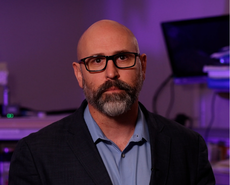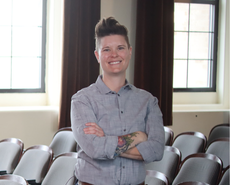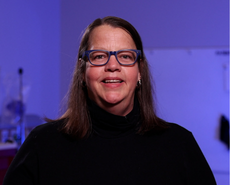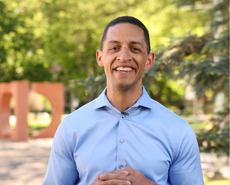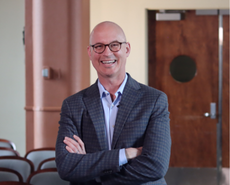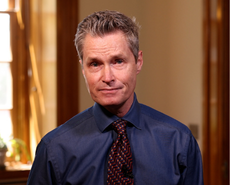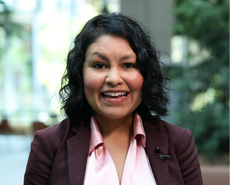



This series of bite-sized medical education videos is designed to boost your teaching expertise in a snap!

Created by experts in the field, these videos offer quick, actionable tips that you can start using in your medical setting today.

Navigate topics on this webpage via the topic list below, or browse the FacDev5 playlist on YouTube


Addressing Microaggressions in the Learning Environment by Dr. Michelle Miranda

Reflection Questions

Use these questions to guide individual reflection or group discussion on the video content.

  1. What are some phrases you can use to address a microaggression on the spot?
  2. Have you engaged in any specific microaggressions training? How did it go? What did you learn?
  3. Has anyone completed the Foundations in Equity Certificate program through HEAL here at CU?
  4. What are some ways you help ensure your learners have a safe space to share any concerns with you?
  5. Have you ever been approached about using microaggressions yourself? What did the conversation look like? How did you feel? What advice would you have for others who want to approach individuals who have used microaggressions?

Key Takeaways

Download the Key Takeaways resource for this video — perfect for posting in your workspace or sharing with colleagues.

Applying Coaching Skills to Support Learner Growth by Dr. Abraham Nussbaum


Reflection Questions

Use these questions to guide individual reflection or group discussion on the video content.

  1.  What are some of the core elements shared by coaching, advising, and mentoring? How are they different?
  2. What are some ways you have, or you can, serve as a coach in your educational practice?
  3. What are some of the barriers you have experienced to being a coach?
  4. The first tip for being a coach was to establish a foundation of trust. What are strategies you have implemented into your practice to build rapport with your coaches?

Key Takeaways

Download the Key Takeaways resource for this video — perfect for posting in your workspace or sharing with colleagues.

Approaching the Struggling Learner by Dr. Mel Anderson

Reflection Questions

Use these questions to guide individual reflection or group discussion on the video content.

  1. What are some examples of objective data you could obtain if you had a learner who you felt had performance concerns?
  2. What are some ways you can help your learners adopt a growth mindset?
  3. What are some ways you have helped struggling learners get back on track in the past?
  4. When having an initial conversation with a struggling learner, what are some things you can do to establish mutual trust?

Key Takeaways

Download the Key Takeaways resource for this video — perfect for posting in your workspace or sharing with colleagues.

Managing Conflict in the Learning Environment by Dr. Sarah Milla


Reflection Questions

Use these questions to guide individual reflection or group discussion on the video content.

  1.  What conflict management strategies or frameworks have you typically incorporated into your practice?
  2. Dr. Milla suggests including explicit discussion of conflict topics into daily debriefings or case reviews. What are some other ways you can sneak in discussions around conflict or conflict management into your daily educational practice?
  3. What are some examples of situations or settings in which you have had to tailor your conflict resolution style. Are there times you need to be more collaborative versus accommodating? How do you decide which style to choose
  4. What are some ways you attempt to foster psychological safety in the learning environment?

Key Takeaways

Download the Key Takeaways resource for this video — perfect for posting in your workspace or sharing with colleagues.

Debriefing a Clinical Encounter by Dr. Gabrielle Whitmore

Reflection Questions

Use these questions to guide individual reflection or group discussion on the video content.

  1. What debriefing frameworks have you previously utilized in your teaching practice?
  2. What are some effective strategies you have in your toolkit for facilitating these debriefing conversations?
  3. What do you think some of the pros and cons of incorporating the Advocacy-Inquiry approach into your teaching practice might be?
  4. Are there any situations or settings in which you think the Advocacy-Inquiry approach might not be effective?

Key Takeaways

Download the Key Takeaways resource for this video — perfect for posting in your workspace or sharing with colleagues.

Delivering Chalk Talks by Dr. Caitlin Dietsche

Reflection Questions

Use these questions to guide individual reflection or group discussion on the video content.

  1. Have you utilized chalk talks in your teaching? If so, how have they gone?
  2. What are some topics that lend themselves well to incorporating a chalk talk?
  3. What role should the learner have during a chalk talk?
  4. What suggestions do you have for others wanting to incorporate chalk talks into their teaching practice?

Key Takeaways

Download the Key Takeaways resource for this video — perfect for posting in your workspace or sharing with colleagues.

Delivering Effective Feedback by Dr. Ashoke Khanwalker

Reflection Questions

Use these questions to guide individual reflection or group discussion on the video content.

  1. Who has previously been exposed to the Ask - Tell - Ask framework?
  2. What modifications to the ATA framework have you encountered?
  3. What are some of the pros/cons to the ATA framework?

Key Takeaways

Download the Key Takeaways resource for this video — perfect for posting in your workspace or sharing with colleagues.

Easing the Transition to Residency by Dr. Geoffrey Connors

Reflection Questions

Use these questions to guide individual reflection or group discussion on the video content.

  1. What are some of the areas that you've noticed trainees struggle with when first starting residency?
  2. What tips or strategies would you add to this list to support residents during transition?
  3. Is there anything we can be doing near the end of medical school to catalyze a successful transition for our trainees?

Key Takeaways

Download the Key Takeaways resource for this video — perfect for posting in your workspace or sharing with colleagues.

Enhancing Learner Engagement and Retention by Helen Macfarland

Reflection Questions

Use these questions to guide individual reflection or group discussion on the video content.

  1. How many of you have heard of Merrill’s Principles of Instruction?
  2. What are some ways you are currently incorporating five Principles of Instruction discussed into your educational endeavors?
  3. Which of the five Principles of Instruction do you find to be most challenging to incorporate into your educational endeavors and why?
  4. What is one way you can incorporate one of these instructional principles into your next planned educational event?

Key Takeaways

Download the Key Takeaways resource for this video — perfect for posting in your workspace or sharing with colleagues.

Ensuring Equity in Assessments by Dr. Tai Lockspeiser

Reflection Questions

Use these questions to guide individual reflection or group discussion on the video content.

  1. Do you have any processes in place to ensure you are able to monitor any potential bias in your assessments or evaluations?
  2. What biases do you think you might be most prone to incorporating into your assessment and evaluation practices?
  3. Have you ever heard of the amplification cascade? What would that look like in your educational setting?
  4. What can the program, department, or institution do to monitor equity in our assessment practices?

Key Takeaways

Download the Key Takeaways resource for this video — perfect for posting in your workspace or sharing with colleagues.

Fostering Cultural Competency by Dr. Maurice Scott

Reflection Questions

Use these questions to guide individual reflection or group discussion on the video content.

  1. How do you delineate cultural awareness from cultural sensitivity and cultural humility?
  2. Can you share a time in which you had to demonstrate cultural awareness, sensitivity, or humility in your teaching practice?
  3. What are some ways you are actively creating inclusive learning environments for your students and trainees?
  4. What are some ways you let learners know that you are still actively developing your own cultural awareness and sensitivity?

Key Takeaways

Download the Key Takeaways resource for this video — perfect for posting in your workspace or sharing with colleagues.

Fostering Self-directed Learning by Dr. Chad Stickrath

Reflection Questions

Use these questions to guide individual reflection or group discussion on the video content.

  1. In your opinion, how much of our learners education should be self-directed?
  2. How can you help learners obtain objective perceptions of their performance?
  3. What strategies have you adopted to ensure your learners are setting goals for themselves?
  4. How could you incorporate spacing, interleaving, or quizzing into your current teaching practices?

Key Takeaways

Download the Key Takeaways resource for this video — perfect for posting in your workspace or sharing with colleagues.

Highlighting the Value of Clinical Teaching by Dr. Benjamin Vipler

Reflection Questions

Use these questions to guide individual reflection or group discussion on the video content.

  1. What difficulties have you experienced when communicating the value of being an educator to leadership or clinical administrators?
  2. What other benefits do you experience serving as an instructor to medical and health professions learners?
  3. What tips would you add to the list provided?

Key Takeaways

Download the Key Takeaways resource for this video — perfect for posting in your workspace or sharing with colleagues.

Implementing Reflective Practice by Dr. Gail Armstrong

Reflection Questions

Use these questions to guide individual reflection or group discussion on the video content.

  1. Have you ever heard of reflective practice prior to this session?
  2. What does reflective practice mean to you?
  3. How do you, or could you, incorporate reflective practice into your educational endeavors?
  4. How might you incorporate reflective practice into your own clinical, research, or administrative practice?

Key Takeaways

Download the Key Takeaways resource for this video — perfect for posting in your workspace or sharing with colleagues.

Leveraging the Benefits of Assessment for Learning by Dr. Jennifer Adams


Reflection Questions

Use these questions to guide individual reflection or group discussion on the video content.

  1.  In this video, Dr. Adams delineates assessment OF learning versus assessment FOR learning. How did this land on you? Had you previously considered assessment as a process that can be used to motivate learners?
  2. What are some ways that assessment for learning can – or currently is – being utilized in your training program?
  3. What do you think some of the primary barriers are in shifting the culture of your educational program from assessment of learning to assessment for learning?
  4. One of the practical ways Dr. Adams suggest implementing assessment for learning into your educational endeavors is to incorporate low stakes, frequent assessments like quizzes, case discussions, or concept checks that provide immediate feedback.
  5. What would this look like if you were to add it into your daily practice?

Key Takeaways

Download the Key Takeaways resource for this video — perfect for posting in your workspace or sharing with colleagues.

Maximizing Accessibility by Dr. Michael Lampe

Reflection Questions

Use these questions to guide individual reflection or group discussion on the video content.

  1. What are some ways you plan to revise your educational materials to ensure that they align with updated accessibility standards?
  2. How might you put into practice some of these SLIDE tips when putting together your next course document or slide deck?

Key Takeaways

Download the Key Takeaways resource for this video — perfect for posting in your workspace or sharing with colleagues.

Being an Effective Mentor by Dr. Anthony Oliva


Reflection Questions

Use these questions to guide individual reflection or group discussion on the video content.

  1. Use these questions to guide individual reflection or group discussion on the video content.
  2. What are some of the biggest barriers you have experienced in your mentoring relationships?
  3. What strategies have you adopted into your practice to set up realistic expectations for the mentoring relationship among your mentees?
  4. One of the suggested tips in this video was to balance support and challenge. What are some examples of ways you have challenged learners in your mentoring conversations?
  5. Dr. Oliva mentioned five foundational skills for effective mentoring: active listening, awareness of cultural and gender differences, balancing support and challenge, respecting professional boundaries, and being aware of other support mechanisms. What are some other foundational skills you think are essential for effective mentoring?

Key Takeaways

Download the Key Takeaways resource for this video — perfect for posting in your workspace or sharing with colleagues.

Promoting Active Learning in Lab Settings by Dr. Chelsea Lohman

Reflection Questions

Use these questions to guide individual reflection or group discussion on the video content.

  1. Which of these strategies have you tried in your lab-based teaching?
  2. Which of these strategies do you think you could realistically implement the next time you host a lab-based instructional session?
  3. Were any of these active learning strategies a surprise?
  4. Was there anything you would add to the list to support active learning in the lab?

Key Takeaways

Download the Key Takeaways resource for this video — perfect for posting in your workspace or sharing with colleagues.

Promoting Adaptive Expertise Among Learners by Dr. Juan Lessing

Reflection Questions

Use these questions to guide individual reflection or group discussion on the video content.

  1. Before watching this video, had you previously heard of this term “adaptive expertise?” If so, how and in what contexts?
  2. An example strategy for building deep understanding was to encourage learners to think aloud when solving problems. Do you currently do this? How do you think that would go in your current teaching practice?
  3. One of the tips for promoting expertise was using meaningful variation. What would this look like in your practice?
  4. Can you give some examples of ways in which you create a safe space for challenges with your learners?

Key Takeaways

Download the Key Takeaways resource for this video — perfect for posting in your workspace or sharing with colleagues.

Promoting Autonomy in the Clinical Environment by Dr. Nicole Christian

Reflection Questions

Use these questions to guide individual reflection or group discussion on the video content.

  1. What did you think about the description of autonomy and supervision not being on opposite ends of the same continuum? Does that align with how you have typically considered the two constructs?
  2. What are some practical ways you gain information about learner competency when they first join your service or team?
  3. What are some common barriers you have encountered to “loosening the reins” and how did you overcome them
  4. Had you previously heard of the “zone of proximal development?” What does this concept mean to you?

Key Takeaways

Download the Key Takeaways resource for this video — perfect for posting in your workspace or sharing with colleagues.

Strategies for Small Group Teaching by Dr. Miriam Post


Reflection Questions

Use these questions to guide individual reflection or group discussion on the video content.

  1.  The first tip offered by Dr. Post in this video is to create a safe and inclusive learning environment. What are some strategies you use to establish a foundation of psychological safety when you are working with a new group of learners?
  2. What would it look like to implement some of these small group teaching tips into your educational practice?
  3. One of the specific tips is to incorporate tools like problem-based learning and case-based discussions into your educational sessions. What are some ways you could implement these into your next educational session?
  4. What are some of the biggest challenges to incorporate more small group teaching into your daily educational endeavors?

Key Takeaways

Download the Key Takeaways resource for this video — perfect for posting in your workspace or sharing with colleagues.

Supporting a Positive Feedback Environment by Dr. Granville Lloyd

Reflection Questions

Use these questions to guide individual reflection or group discussion on the video content.

  1. What are some ways you make yourself available to learners in your day-to-day practice?
  2. What practical tips might you have for encouraging feedback seeking among your learners?
  3. One of the tips provided for providing feedback thoughtfully was to tell learners why you are delivering the feedback. Is that something you commonly do? If so, what are some examples of explanations you provide?
  4. What barriers do you experience to providing favorable feedback?

Key Takeaways

Download the Key Takeaways resource for this video — perfect for posting in your workspace or sharing with colleagues.

Teaching in the Clinical Setting by Dr. Chris Hoyte

Reflection Questions

Use these questions to guide individual reflection or group discussion on the video content.

  1. This video provided an overview of five efficient strategies for teaching in the clinical setting. Were any of them a surprise? Which of these are you already doing?
  2. What does it look like to get a commitment from your learners in your day-to-day practice? How do you go about it?
  3. What are some ways you can probe for supporting evidence in a non-threatening manner?
  4. What barriers have you experienced when attempting to correct mistakes with learners?

Key Takeaways

Download the Key Takeaways resource for this video — perfect for posting in your workspace or sharing with colleagues.

Teaching in the Operating Room by Dr. Michael Cripps


Reflection Questions

Use these questions to guide individual reflection or group discussion on the video content.

  1. What are some ways you could realistically incorporate the Briefing – Intraoperative Teaching – Debriefing approach into your teaching practice?
  2. How do you currently engage in goal setting before a procedure with learners?
  3. How many goals do you prefer to set with each learner during a procedure? What are some ways you can fit debriefing into your busy clinical schedule?

Key Takeaways

Download the Key Takeaways resource for this video — perfect for posting in your workspace or sharing with colleagues.

Transforming Lectures with Active Learning Techniques by Dr. Prem Subramanian

Reflection Questions

Use these questions to guide individual reflection or group discussion on the video content.

  1.  What are some of the biggest barriers you face when trying to deliver active and engaging lectures?
  2. Dr. Subramanian mentioned five specific active learning techniques. Were any of them new to you?
  3. Which of the five strategies would be easiest for you to implement into your next lecture?
  4. Which of the five strategies do you think would be most difficult for you to implement into your next lecture?

Key Takeaways

Download the Key Takeaways resource for this video — perfect for posting in your workspace or sharing with colleagues.

CMS Login