Bergman Lab

bryan bergman

Bryan Bergman, PhD

Professor of Medicine

Dr. Bergman’s research focuses on understanding the mechanisms behind muscle insulin resistance, the development of steatotic liver disease, and tissue-to-tissue communication by analyzing human tissue samples across a wide range of metabolic health. In addition to conducting clinical research interventions with deep phenotyping and tissue sampling, Dr. Bergman collaborates with the University’s minimally invasive surgical team to obtain hard-to-access tissue samples during laparoscopic procedures. His lab also investigates mechanisms of metabolic dysfunction using cell culture, identifying potential therapeutic targets that cannot be studied directly in human trials. A major focus of his work is how adipose tissue in skeletal muscle as well as lipid storage within skeletal muscle reduces insulin sensitivity, as well as the role of adipose tissue signaling in regulating the function of nearby and distant tissues. Dr. Bergman has received continuous NIH funding for 18 years, currently holding three active R01 grants and collaborations with industry partners.

Dr. Bergman is also the director of the Molecular and Cellular Analysis core for the Nutrition and Obesity Research Center, and his lab runs a “Lipidomics and Mass Spetrometry core” that is directed by Dr. Karin Zemski Berry.


Research Topics


1

Elucidate how intermuscular adipose tissue impacts skeletal muscle insulin sensitivity, muscle strength, and size in humans

This study combines muscle biopsy visits with elective surgeries to obtain intermuscular, subcutaneous, and visceral adipose tissue biopsies and is funded by R01DK118149.
2

Pursuing mechanistic relationships between inter- and intra-muscular lipids and insulin sensitivity using primary muscle cell culture

This model is unique as the phenotype of donor is maintained in culture. The lab is using this model to determine mechanisms underlying the relationship between localized muscle lipids and insulin sensitivity, and how the secretome of intermuscular adipose tissue promotes insulin resistance.
3

Discovery of novel proteins secreted by intermuscular adipose tissue inducing muscle insulin resistance

This project is a collaboration with Eli Lilly and Co to uncover novel proteins secreted by IMAT that decrease muscle insulin sensitivity in vitro and in animal models. The goal is to develop novel therapeutic targets to antagonize IMAT signaling that promotes decreased muscle insulin sensitivity.

4

Evaluating how lifestyle interventions such as weight loss as well as exercise training alter intermuscular adipose tissue paracrine signaling and composition in humans

The Bergman lab has 2 NIH R01 grants to evaluate how weight loss (R01DK134706) and exercise training (R01AG 077956) impacts the cellular composition of IMAT, as well as the potency of the IMAT secretome to decrease muscle insulin sensitivity and promote sarcopenia.

Lab Personnel


Bergman Lab Personnel
Sophia Bowen headshot


Sophia Bowen

Professional Research Assistant

headshot of Chris Johnson


Chris Johnson

Senior Professional Research Assistant

Puujee Jambal


Puujee Jambal

Professional Research Assistant


Charis Uhlson


Charis Uhlson

Senior Professional Research Assistant

Simona Zarini, PhD


Simona Zarini, PhD

Senior Instructor

Karin Zemski Berry, PhD


Karin Zemski Berry, PhD

Senior Instructor

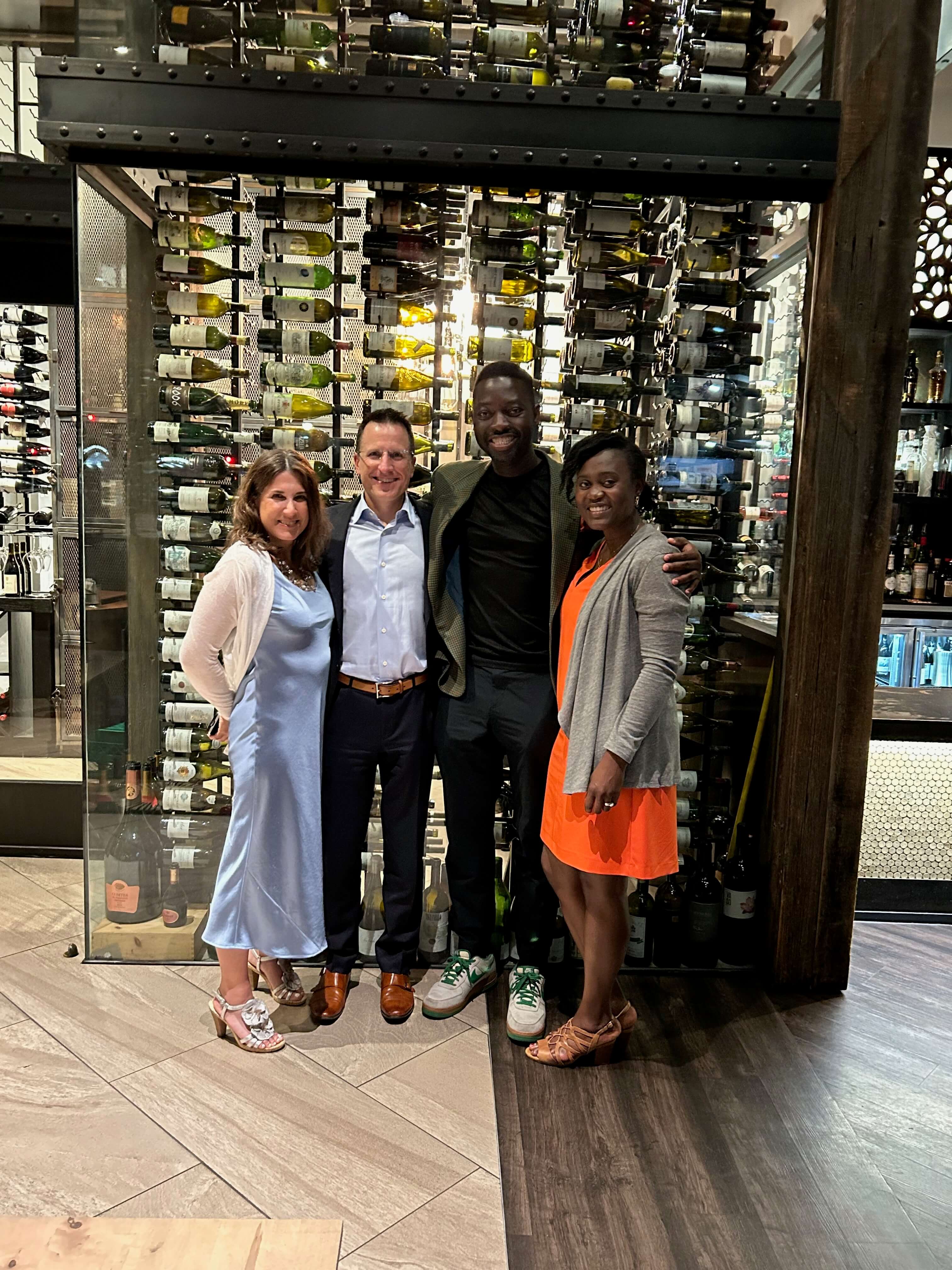
Bergman Lab in Action


IMG_2214-compressed
Image taken on Oct 19, 2026, 11:27 by Lottie Messick
GroupPhoto
Back to all images
CMS Login