109 publications in 2025


Operating at a |  |
109 publications in 2025
26 Operative Neurosurgery Faculty
Over 5,000 OR cases per year
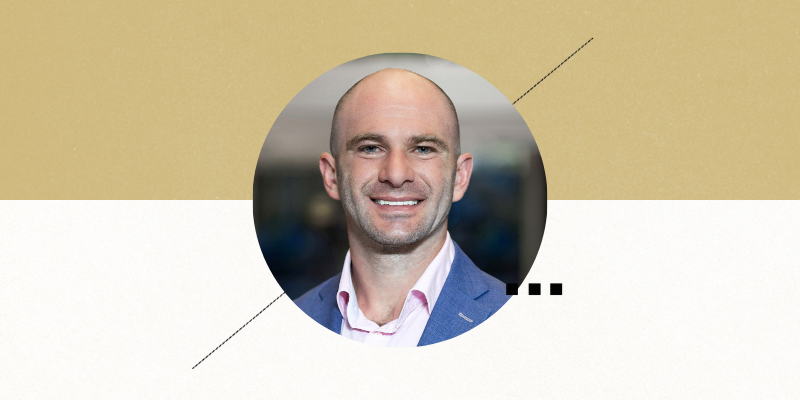
Eddie Tsvankin, MD, fondly remembers meetings in his mentor’s office when he was a student at the University of Colorado Anschutz School of Medicine. Now, Tsvankin is moving into that same office as an associate professor in the Department of Neurosurgery, coming to a medical campus he says is the only site that offers the full package of brain tumor care.
Joining the department from HCA HealthONE Swedish, Tsvankin is familiar with the resources available to brain tumor patients across the state. He calls UCHealth — located on the CU Anschutz campus — the “gold standard of care” for brain tumor patients.
“The package offered at UCHealth — ranging from the surgical techniques and technology, radiation oncology, and medical neuro oncology to the clinical trials that we are able to offer these patients — this is the only site that can offer the full package of care that brain tumor patients are entitled to,” Tsvankin says.
The opportunity to provide brain tumor patients with these extensive resources is a privilege for Tsvankin, but he hopes that by his retirement, a few decades from now, less invasive treatment options will replace surgery as the standard of care for gliomas.
As a neurosurgical oncologist, Tsvankin treats patients with gliomas — aggressive, malignant brain tumors — by performing resection surgeries to remove as much tumor tissue as possible.
After surgery, a patient then undergoes radiotherapy and chemotherapy to slow tumor growth. Because of the aggressive nature of these tumors, recurrence is inevitable.
“These tumors are remarkably aggressive and the primary way to treat them is surgery, but these tumors always reoccur and, at some point, you have to stop resecting,” Tsvankin explains. “My hope is that by the end of my career, we will have moved beyond surgery as a means of caring for patients with gliomas.”
CU Anschutz neurosurgeons utilize the best infrastructure and programming for brain mapping and awake craniotomy. Minimally invasive techniques, gamma knife, and lasers require much smaller incisions to treat lesions within the brain. In addition to cutting-edge technology, a multidisciplinary tumor board is held monthly where specialists across various departments meet to discuss patient care.
“This is a program that is centered around patients to meet their needs in the most collaborative and comprehensive way possible,” Tsvankin says. “This is the best treatment option in the state.”
Despite the grim diagnosis for gliomas, Tsvankin sees promising results in immunotherapy research. While immunotherapies succeed against cancer in other areas of the body, brain brain cancer researchers want to understand why it fails in the closed system within the brain called the intracranial compartment. Harnessing immunotherapy has the potential to change brain tumor treatment.
“Immunotherapy can target those cells beyond my own surgical reach and remember what they look like when they come back,” Tsvankin explains. “I’d love to see that area continue to grow, and Colorado is at the forefront of immunotherapy research.”
One of the resources Tsvankin looks forward to offering his patients is more clinical trials. He says his favorite saying from his late grandmother, “hope dies last,” is something he sees magnified by his patients participating in research. Almost every patient asks to join a clinical trial, Tsvankin says. They hope for more time with family, less pain, or fewer neurological problems.
“There are a lot of basic science tools and translational tools being turned into clinical trials,” Tsvankin says. “My patients want something to grab on to — they want hope — and they may be a part of something that changes the clinical landscape.”
While there is still no cure for aggressive gliomas, like glioblastoma, Tsvankin notes the plethora of ongoing research and promising clinical trials.
“So many brilliant minds on campus and around the world are singularly dedicated to bringing new tools to this fight that, eventually, one of them is going to work. We are getting better and better at it every day. I’m hopeful my job will be obsolete in a few decades.”
Tsvankin considers himself an honorary lifelong Coloradan. He immigrated to the United States from Russia as a young child, grew up in Lakewood, and completed his undergraduate degree and medical school in the state — the latter at the CU Anschutz School of Medicine. “Dr. Ojemann taught my neuroscience block back in 2009,” Tsvankin says. “I’ve had great mentors in the department who enabled me to be the neurosurgeon and person I am today.”
After graduating from medical school, Tsvankin completed his residency training at Duke University, where he crossed paths with Peter Fecci, MD, PhD, chair of the Department of Neurosurgery. He then trained under Fecci as a fellow at the Preston Robert Tisch Brain Tumor Center.
“We are truly excited to welcome Dr. Eddie Tsvankin to our team,” Fecci says. “He is a phenomenal surgeon, a fantastic colleague, and a tremendous teacher. He brings the perfect blend of skill and culture that will continue to elevate our brain tumor program to new levels.”
The CU Anschutz Department of Neurosurgery has a legacy of delivering comprehensive, collaborative, cutting-edge, and patient-centered care for brain tumors. This legacy drew Tsvankin to the program. “I want to help deliver that care to as many people as possible,” he says.
He hopes to leave his mark on the field of neurosurgical oncology by providing the best surgical care in his community, and by participating in resident education. “One of the biggest draws to joining CU Anschutz is the opportunity to shape the next generation of neurosurgeons,” he says. “That is one of my more fundamental responsibilities as a clinician.”
While he hopes to leave a mark on the field of neurosurgical oncology, Tsvankin looks to the future of brain tumor treatment with optimism, where surgery may no longer be the primary treatment option for gliomas.
“It is an honor and a privilege to help build the best brain tumor program in the region. We have all the building blocks to build that, and I am happy to be one of them.”
Eddie Tsvankin, MD, fondly remembers meetings in his mentor’s office when he was a student at the University of Colorado Anschutz School of Medicine. Now, Tsvankin is moving into that same office as an associate professor in the Department of Neurosurgery, coming to a medical campus he says is the only site that offers the full package of brain tumor care.
Joining the department from HCA HealthONE Swedish, Tsvankin is familiar with the resources available to brain tumor patients across the state. He calls UCHealth — located on the CU Anschutz campus — the “gold standard of care” for brain tumor patients.
“The package offered at UCHealth — ranging from the surgical techniques and technology, radiation oncology, and medical neuro oncology to the clinical trials that we are able to offer these patients — this is the only site that can offer the full package of care that brain tumor patients are entitled to,” Tsvankin says.
The opportunity to provide brain tumor patients with these extensive resources is a privilege for Tsvankin, but he hopes that by his retirement, a few decades from now, less invasive treatment options will replace surgery as the standard of care for gliomas.
As a neurosurgical oncologist, Tsvankin treats patients with gliomas — aggressive, malignant brain tumors — by performing resection surgeries to remove as much tumor tissue as possible.
After surgery, a patient then undergoes radiotherapy and chemotherapy to slow tumor growth. Because of the aggressive nature of these tumors, recurrence is inevitable.
“These tumors are remarkably aggressive and the primary way to treat them is surgery, but these tumors always reoccur and, at some point, you have to stop resecting,” Tsvankin explains. “My hope is that by the end of my career, we will have moved beyond surgery as a means of caring for patients with gliomas.”
CU Anschutz neurosurgeons utilize the best infrastructure and programming for brain mapping and awake craniotomy. Minimally invasive techniques, gamma knife, and lasers require much smaller incisions to treat lesions within the brain. In addition to cutting-edge technology, a multidisciplinary tumor board is held monthly where specialists across various departments meet to discuss patient care.
“This is a program that is centered around patients to meet their needs in the most collaborative and comprehensive way possible,” Tsvankin says. “This is the best treatment option in the state.”
Despite the grim diagnosis for gliomas, Tsvankin sees promising results in immunotherapy research. While immunotherapies succeed against cancer in other areas of the body, brain brain cancer researchers want to understand why it fails in the closed system within the brain called the intracranial compartment. Harnessing immunotherapy has the potential to change brain tumor treatment.
“Immunotherapy can target those cells beyond my own surgical reach and remember what they look like when they come back,” Tsvankin explains. “I’d love to see that area continue to grow, and Colorado is at the forefront of immunotherapy research.”
One of the resources Tsvankin looks forward to offering his patients is more clinical trials. He says his favorite saying from his late grandmother, “hope dies last,” is something he sees magnified by his patients participating in research. Almost every patient asks to join a clinical trial, Tsvankin says. They hope for more time with family, less pain, or fewer neurological problems.
“There are a lot of basic science tools and translational tools being turned into clinical trials,” Tsvankin says. “My patients want something to grab on to — they want hope — and they may be a part of something that changes the clinical landscape.”
While there is still no cure for aggressive gliomas, like glioblastoma, Tsvankin notes the plethora of ongoing research and promising clinical trials.
“So many brilliant minds on campus and around the world are singularly dedicated to bringing new tools to this fight that, eventually, one of them is going to work. We are getting better and better at it every day. I’m hopeful my job will be obsolete in a few decades.”
Tsvankin considers himself an honorary lifelong Coloradan. He immigrated to the United States from Russia as a young child, grew up in Lakewood, and completed his undergraduate degree and medical school in the state — the latter at the CU Anschutz School of Medicine. “Dr. Ojemann taught my neuroscience block back in 2009,” Tsvankin says. “I’ve had great mentors in the department who enabled me to be the neurosurgeon and person I am today.”
After graduating from medical school, Tsvankin completed his residency training at Duke University, where he crossed paths with Peter Fecci, MD, PhD, chair of the Department of Neurosurgery. He then trained under Fecci as a fellow at the Preston Robert Tisch Brain Tumor Center.
“We are truly excited to welcome Dr. Eddie Tsvankin to our team,” Fecci says. “He is a phenomenal surgeon, a fantastic colleague, and a tremendous teacher. He brings the perfect blend of skill and culture that will continue to elevate our brain tumor program to new levels.”
The CU Anschutz Department of Neurosurgery has a legacy of delivering comprehensive, collaborative, cutting-edge, and patient-centered care for brain tumors. This legacy drew Tsvankin to the program. “I want to help deliver that care to as many people as possible,” he says.
He hopes to leave his mark on the field of neurosurgical oncology by providing the best surgical care in his community, and by participating in resident education. “One of the biggest draws to joining CU Anschutz is the opportunity to shape the next generation of neurosurgeons,” he says. “That is one of my more fundamental responsibilities as a clinician.”
While he hopes to leave a mark on the field of neurosurgical oncology, Tsvankin looks to the future of brain tumor treatment with optimism, where surgery may no longer be the primary treatment option for gliomas.
“It is an honor and a privilege to help build the best brain tumor program in the region. We have all the building blocks to build that, and I am happy to be one of them.”