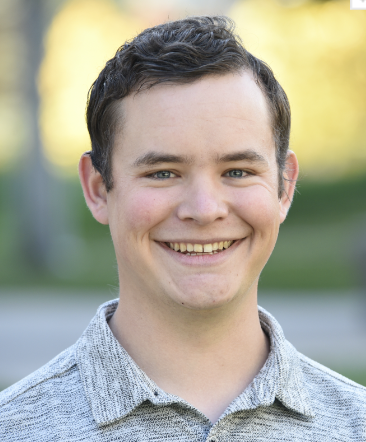
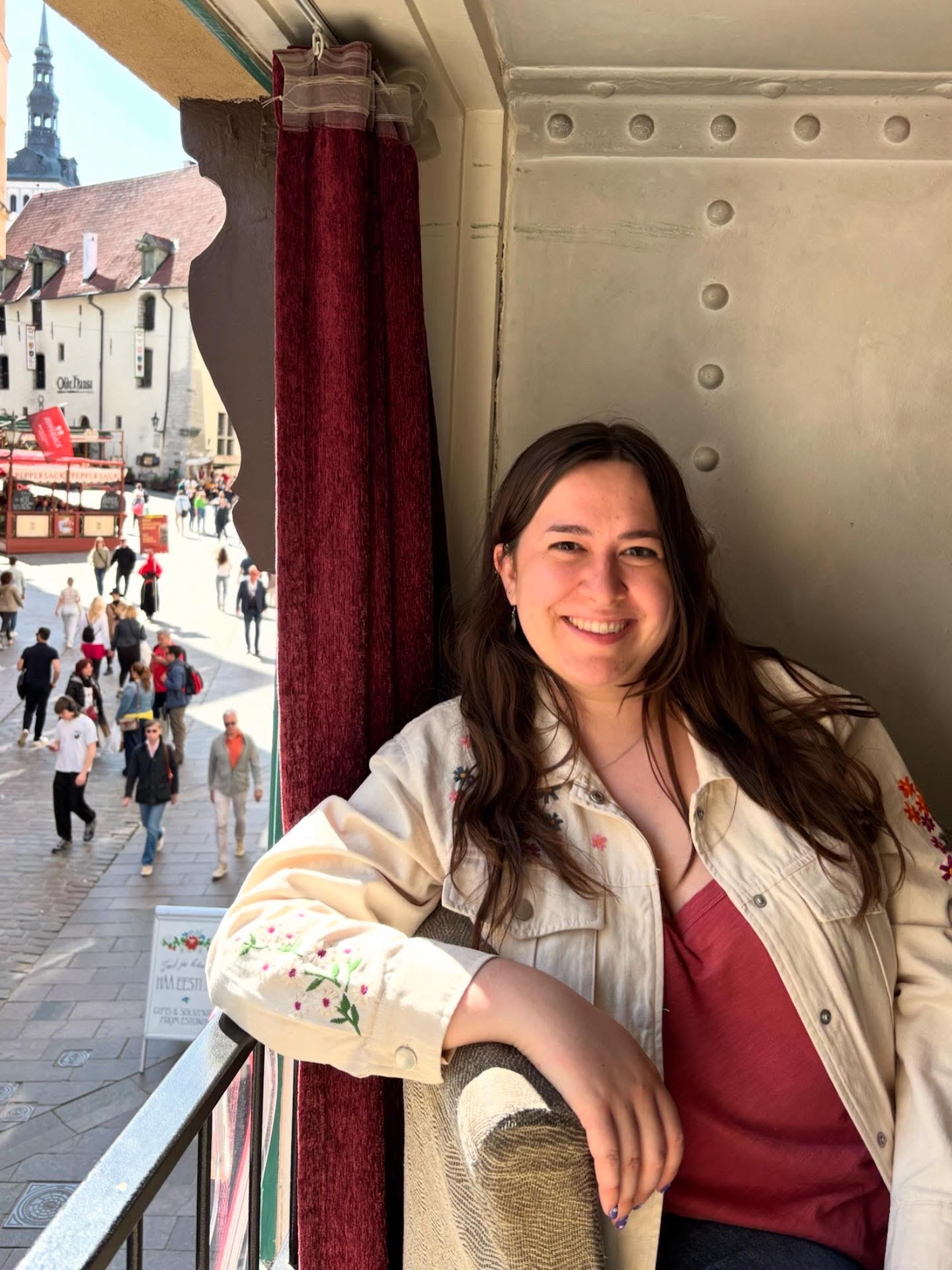
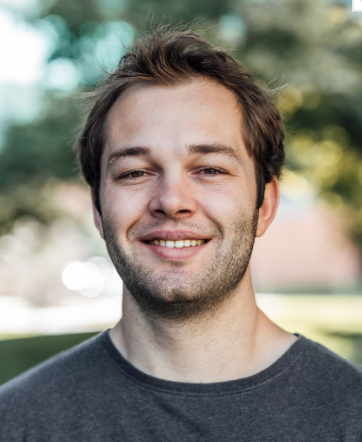
The Department of Biochemistry & Molecular Genetics' Phages Team


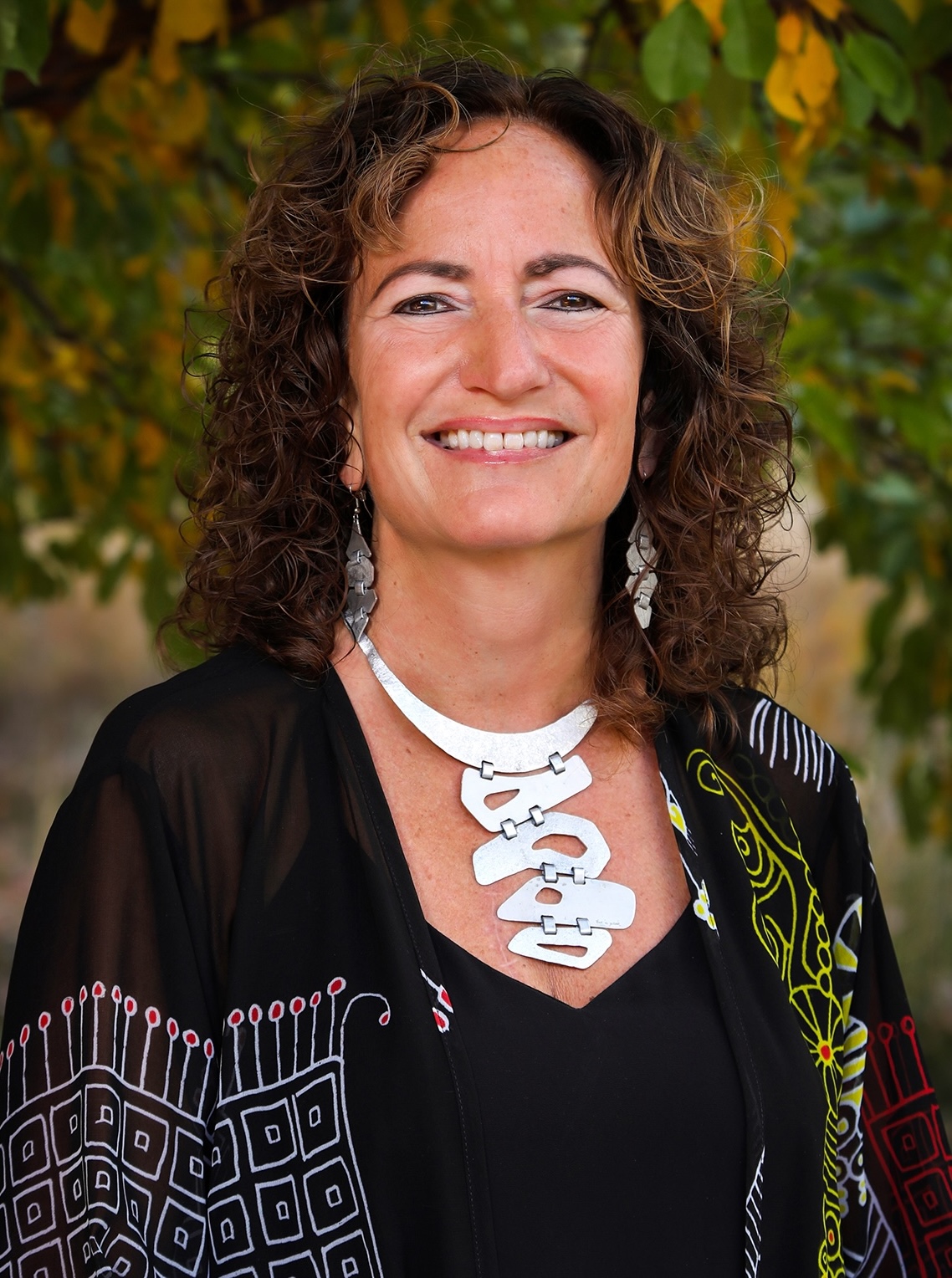
Julia Cooper Headshot

Julia Promisel Cooper, PhD

Director of Mile High Phages Program:

Julia has spent her career chasing one of biology’s most intriguing questions: how cells take care of their DNA. Her lab studies telomeres, the protective ends of chromosomes, where some of the most interesting problems in aging, cancer, and genome stability converge.

But ask her what she loves most about science, and it’s not only the answers – it’s the experience.  Science is a kind of universal language, one that brings people together from all over the world to solve problems side by side.  It’s collaborative, creative, occasionally messy, and often full of surprises.

That spirit is at the heart of Mile High Phages.  We built the program to feel like a real research community: a place where curiosity is taken seriously, where students can jump in and try things out, and where discovery feels accessible, not intimidating.

Julie trained in leading labs in the U.S. and U.K. (including with Nobel Prize winners), and her work has been recognized with a Pew Scholarship and election to EMBO and the American Academy of Microbiology.  She’s especially committed to making sure more people have the chance to experience science – not just learn about it, but truly be part of it.


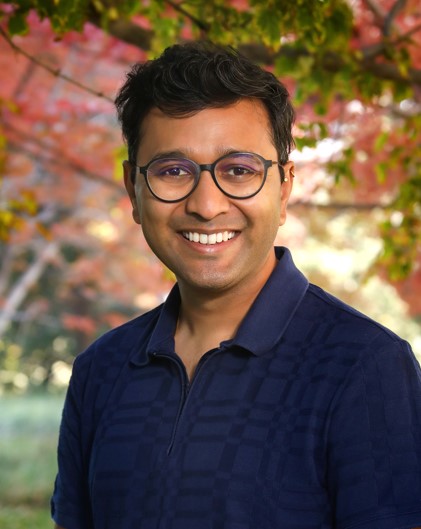
Rishi Nageshan​, PhD

Instructor in the Mile High Phages Program

I am an Assistant Research Professor working with Dr. Julie Cooper to understand the mechanisms of chromosome segregation during mitosis, particularly when certain regions of the genome have not completed DNA replication. One such region is telomeres, protective structures at the ends of chromosomes that shorten with aging or, conversely, can become uncontrollably elongated in cancer.​

Science in general excites me (geek alert!). I especially enjoy observing cells as they segregate their chromosomes during mitosis under the microscope, something I do regularly in the lab. I also have a personal light microscope at home, which I use to observe soil samples collected during hikes, water from creeks or my fish tank, and sometimes even fruits or vegetables from my kitchen. These small explorations help me appreciate the vast microscopic world that surrounds us.​

Research and mentoring students are at the core of my job, and I enjoy both immensely. One of the most satisfying and rewarding aspects of my work is the privilege of participating in the MHP program. Through this program, I work closely with students (along with my fellow instructors), share the excitement of scientific discovery, and help them identify their interests through hands-on research and discussion. We encourage critical thinking, experimental planning, and execution, skills that not only form the foundation of biological research but are valuable in every aspect of life. Each summer, I look forward to the program and get to relive the excitement of science all over again.




Rishi Nageshan Headshot


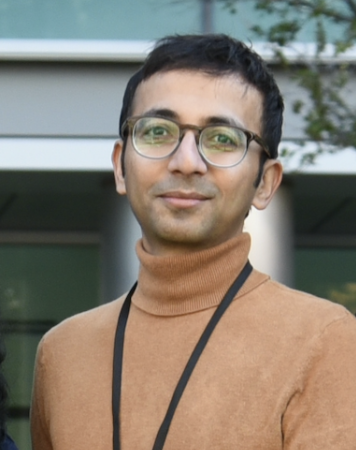
Rahul Thadani


Rahul Thadani, PhD

Instructor in the Mile High Phages Program

I am a postdoctoral Research Associate in the laboratory of Julie Cooper in the Department of Biochemistry and Molecular Genetics at CU Anschutz. I have long been fascinated by chromosomes, and how DNA that would be several feet long is packaged into each of our cells by being wrapped around proteins to form chromatin. I study the unusual chromatin structure of telomeres at the ends of our chromosomes, which may inform their usual protective functions and influence how they become misregulated to confer immortality on cancer cells. I find participation in Mile High Phages immensely rewarding because I get to share the joy of real scientific discovery with students, many of whom are experiencing this for the first time. In addition, students understand how science (which underpins modern medicine) really works, and how to evaluate evidence, which is crucial no matter what careers they ultimately pursue!


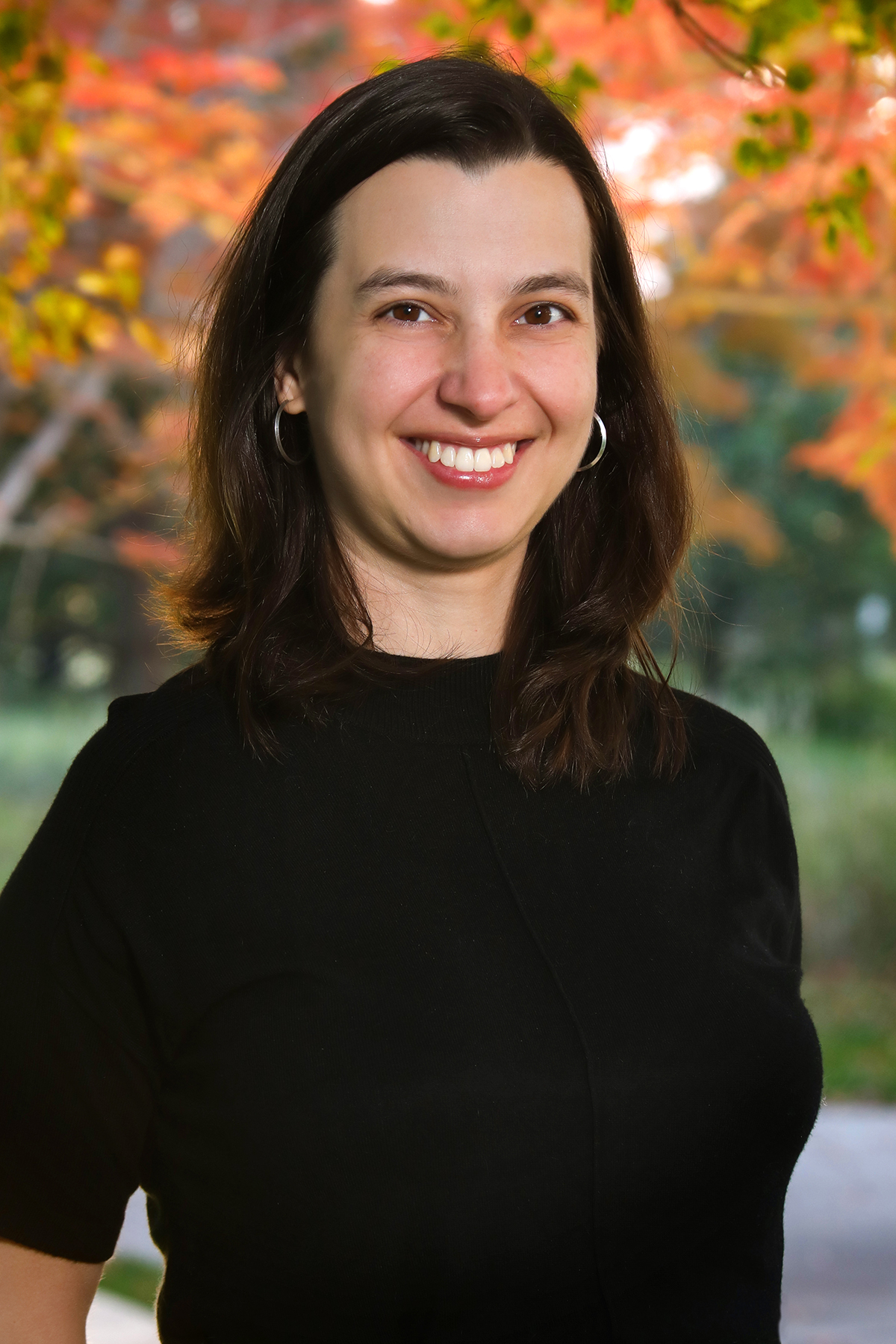
Giovana Breda Veronezi, PhD

Instructor in the Mile High Phages Program

My name is Giovana Breda Veronezi, I have recently graduated from the Molecular Biology PhD program here at CU Anschutz, in the Ramachandran Lab. There, I investigated the mechanisms of how stem cells maintain their identity throughout cell division. As a scientist, I am most excited about basic science discoveries - Why do things work the way they do? What are the molecular mechanisms behind it? What else is out there we haven’t found yet? And it was my curiosity around that last question that drew me to the MHP program. It is very exciting to see not only the new phages identified by the students at the end of the program, but also their development throughout the course, becoming more independent and in charge of their own projects. As an instructor, It is also very rewarding to share the knowledge we have gained through our years of training with the new generation of aspiring scientists.

Giovanna Breda Veronezi Headshot 2025

Jeff Krall


Jeffrey Krall

Instructor in the Mile High Phages Program

I am currently a Ph.D. candidate whose research focuses on the structure and function of two proteins within the innate immune response to viral infection. Both of these proteins recognize infection through the sensing of atypical nucleic acid helical conformations but have opposing roles in either promoting or preventing the activation of controlled cell death pathways. I am fascinated by how the 3D structures of proteins define their function and that there are many techniques that help us determine the folds of proteins and other biomolecules. I also love to teach and mentor students, and I find it extremely rewarding to share my love for science with the next generation of future scientists.


Emma Sheriff, PhD

Instructor in the Mile High Phages Program

While completing my PhD in Microbiology, I was one of the instructors for the inaugural MHP program. I've researched phages for more than 10 years, and I loved getting to share my knowledge with our fantastic group of students. For me, the best part of the program was watching students with different backgrounds and interests come together to solve problems and understand something new about the world around them. After finishing my doctoral program, I moved to Finland where I am completing postdoctoral research on phage-based biocontrol methods for plant pathogens. Even from abroad, I've still kept in contact with one of the students as a mentor for her continued research journey and graduate school applications.

Emma Sheriff headshot

Parker	Nichols


Parker Nichols, PhD

Instructor in the Mile High Phages Program

I’m currently a postdoctoral fellow in Brenda Bass’s lab at the University of Utah, where I study how cells sense and regulate double-stranded RNA during viral infection. I’ve always been driven by a deep curiosity about how life works, and I feel fortunate that my career lets me explore biology at the molecular level every day. What I loved most about the Mile High Phages program was seeing students experience real research for the first time and recognizing in them the same excitement that first drew me into science.


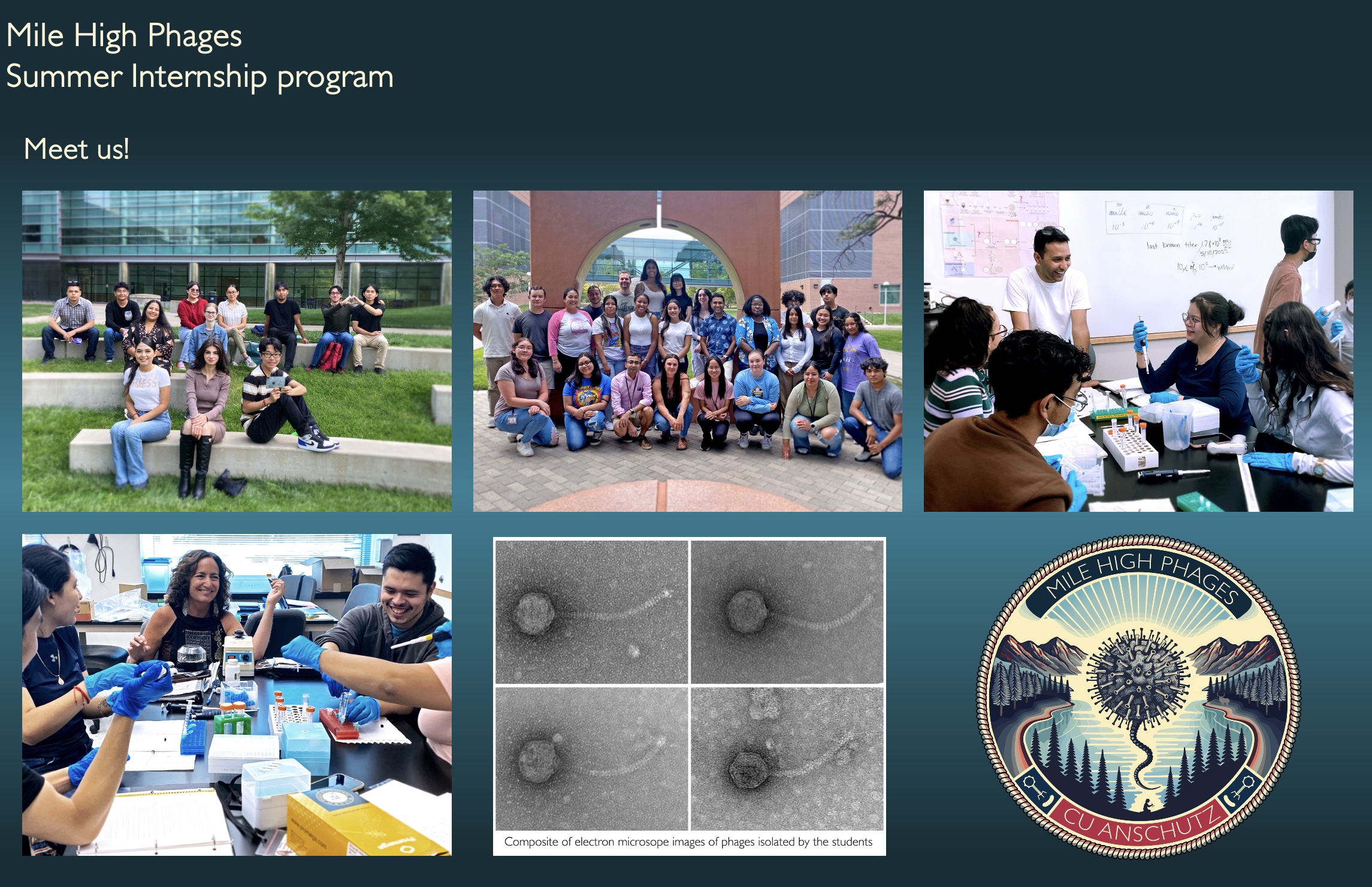
Meet Us photos. Shows six photos. Four photos showing previous interns in the lab and two photos of all the interns outside. One photos shows the composite of electron microscope images of phages isolated by the students. The last photo is a logo of the Mile High Phages CU Anschutz logo.


Biochemistry and Molecular Genetics

CU Anschutz

Research I South

12801 East 17th Avenue

Mail Stop 8101

Aurora, CO 80045


303-724-3201

CMS Login