

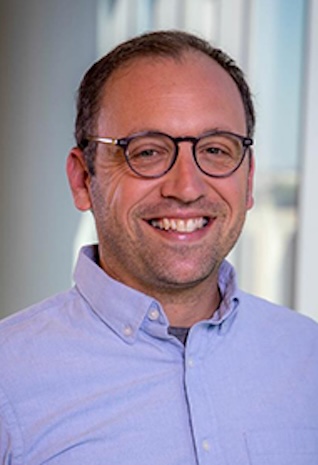
Joshua Barocas, MD
Founding Executive Director
Associate Professor, School of Medicine - Infectious Diseases
Josh Barocas, MD, is an Associate Professor of Medicine at the University of Colorado School of Medicine and an infectious diseases physician at Denver Health, Colorado’s largest safety-net hospital. He serves as Founding Executive Director of the Colorado Poverty and Health Initiative (COPHI), where his work focuses on generating rigorous, policy-relevant evidence to reduce health disparities driven by poverty, substance use, and structural disadvantage. His research centers on improving outcomes for people living with or at high risk for HIV and complications of drug use, including individuals with substance use disorders and those experiencing homelessness. An interdisciplinary health services researcher, Dr. Barocas uses clinical epidemiology, health economics, simulation modeling, and cost-effectiveness analysis to inform health policy and resource allocation at local, state, and national levels. His NIH R01–funded work builds on prior leadership of the Health Economics and Modeling Core of the Massachusetts HEALing Communities Study, where he led the largest community-based costing study in NIDA’s history. He developed the REDUCE microsimulation model to project long-term outcomes of injection drug use, including overdose, endocarditis, and skin and soft-tissue infections. Dr. Barocas is a Research Affiliate of the CHERISH Center and an Associate Editor of the International Journal of Drug Policy.
Sarah Brewer, PhD, MPA
Director of Education
School of Medicine – Family Medicine
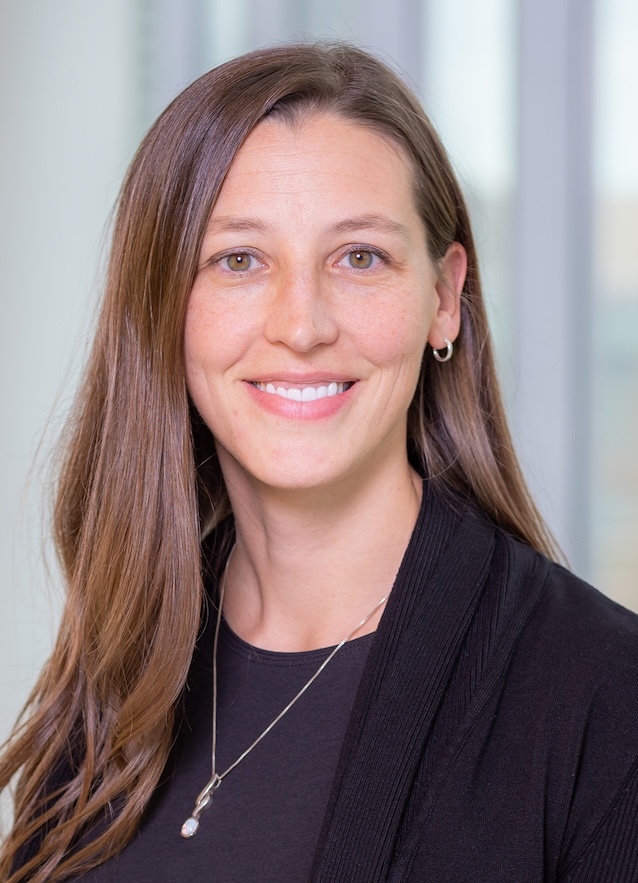
Sarah Brewer, PhD, serves as the Director of Education for the Colorado Poverty and Health Initiative (COPHI) and is an Assistant Professor of Family Medicine at the University of Colorado School of Medicine. Dr. Brewer is uniquely equipped to lead COPHI’s educational mission because of her deep expertise in community-engaged research, engagement science, and mixed methods, as well as her proven ability to build educational programs that bridge primary care, public health, and community priorities.
Her research focuses on how health systems can better respond to real-world needs—including vaccine uptake, chronic disease management, maternal and mental health, refugee and immigrant health, and advanced medical education. Grounded in community organizing and community-based participatory action research, Dr. Brewer is known for designing educational and research environments that authentically incorporate the lived experiences of underrepresented and multilingual communities. This approach directly aligns with COPHI’s commitment to addressing the social and structural conditions that shape health.
Dr. Brewer brings significant leadership experience through her roles as Co‑Director of the ACCORDS Training, Education, and Mentorship (TEaM) Core, Methodologist in the ACCORDS Qualitative and Mixed Methods Core, and Associate Director of the Colorado Children’s Outcomes Network (COCONet).
With her combined strengths in mentorship, community partnership, and cross-sector collaboration, Dr. Brewer provides the strategic vision and practical expertise needed to build COPHI’s educational infrastructure and train the next generation of leaders working at the intersection of poverty and health.
Elizabeth Carlton, PhD, MPH
Director of Research
Department of Environmental & Occupational Health
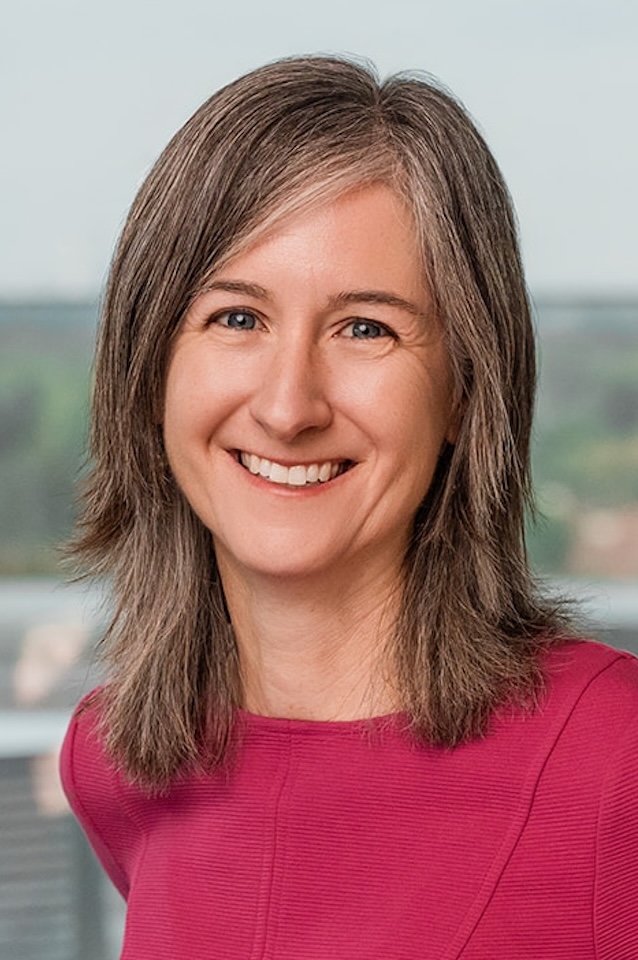
Elizabeth Carlton, PhD, MPH, is a professor and Chair of the Department of Environmental & Occupational Health at the Colorado School of Public Health. She is an environmental epidemiologist who studies how infectious diseases spread, how climate change is altering infectious disease distributions, and how we can improve our ability to track emerging and endemic infectious disease threats.
Previously, Dr. Carlton led a long-term study of the neglected tropical disease, schistosomiasis, and has worked to advance research on infectious diseases of poverty, serving as an editor of PLOS Neglected Tropical Diseases and a scientific advisor to the National Institutes of Health Tropical Medicine Research Centers. She co-led the Colorado COVID-19 modeling group, providing rapid analysis for Colorado policy-makers during the pandemic.
She is currently leading efforts to promote innovation and collaboration on climate and health issues in Colorado. Dr. Carlton teaches courses on environmental and occupational epidemiology, the health impacts of climate change, and the emergence and control of infectious diseases. She leads the Doctor of Public Health program in Environmental and Occupational Health.
Dr. Carlton received her PhD in Environmental Health Sciences from the University of California Berkeley, her MPH from the Mailman School of Public Health at Columbia University, and her BS in biology from Yale University. Prior to graduate school, she was a Peace Corps Volunteer in Honduras.
Devin Miller, DrPH, MPH
Director of Community Impact
General Internal Medicine
Devin Miller, DrPH, MPH, is the Director of Community Impact at COPHI and the Executive Director of The Care Collaborative and Assistant Professor of Medicine in the Division of General Internal Medicine at the University of Colorado School of Medicine. Dr. Miller brings expertise in statewide collaboration, community-engaged partnerships, and telehealth innovation to advance access to care and improve population health.
Her work focuses on developing, implementing, and evaluating scalable models that strengthen connections between primary care, specialty care, public health, and communities. She leads nationally recognized provider-to-provider telehealth initiatives, including ECHO and electronic consultations (eConsults), with research examining how these models improve specialty access, reduce health disparities, strengthen the healthcare workforce, and support learning health systems.
Collaborating with healthcare systems, community-based organizations, state agencies, payers, and policymakers across Colorado, Dr. Miller develops strategies that strengthen healthcare delivery. Her interest is expanding equitable access to care for Medicaid and rural populations through innovative, evidence-based models of care.
Dr. Miller received her Doctor of Public Health and Master of Public Health degrees from the Colorado School of Public Health.
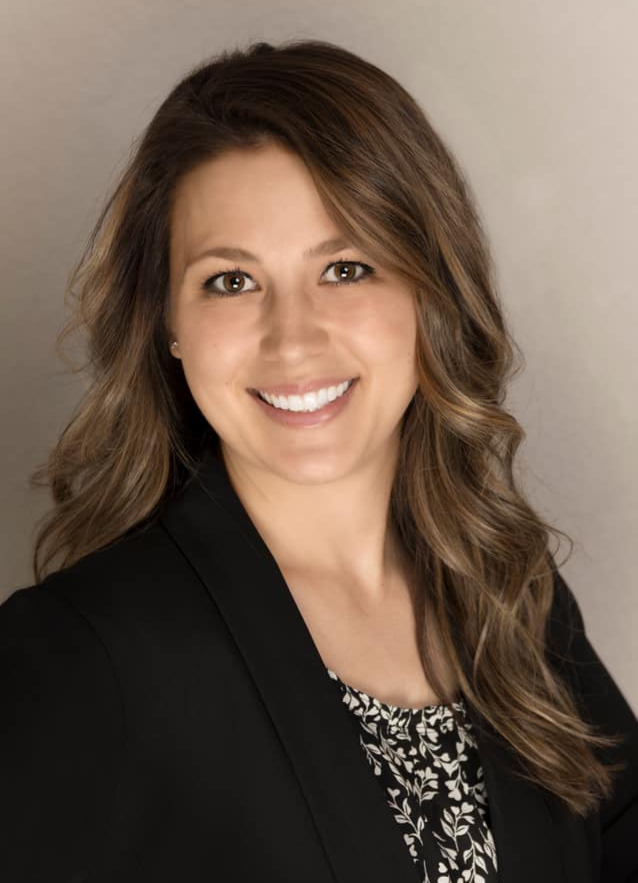
Alyssa Haberle, MBA
School of Medicine – Infectious Diseases
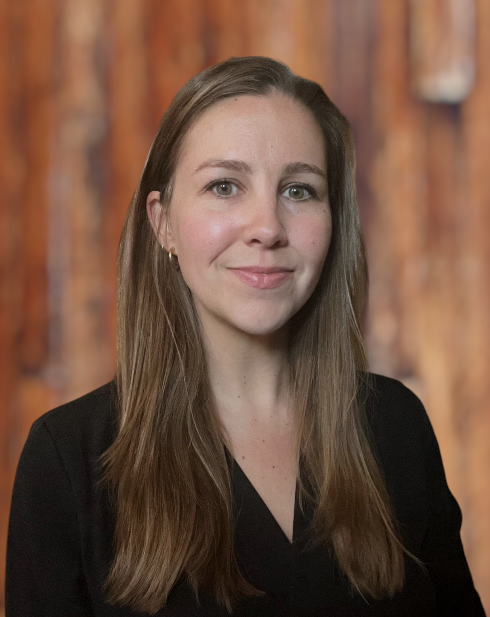
Alyssa Haberle, MBA brings a career rooted in service, systems thinking, and community care. She began her professional journey as a 911 operator and volunteer victim advocate, shaping her deep commitment to showing up for people and building supportive environments where teams thrive.
Since joining the university in 2016, she has developed strong expertise in research administration, grant management, and operational strategy. Her pursuit of an MBA reflects her drive to strengthen the systems that power research. Bringing clarity, efficiency, and meaningful impact.
At COPHI, Alyssa blends these strengths to lead an initiative that connects research, community, and innovation. She views COPHI not just as a program, but as a growing ecosystem . One built on service, collaboration, and the belief that transformative work happens when people feel seen, connected, and empowered.
Sarah Staron, MPA
Communications Coordinator
Sarah Staron, MPA, is a healthcare public administration specialist and project manager in the Department of Family Medicine at the University of Colorado School of Medicine. Her background includes statewide health equity policy, trauma‑informed programming, nonprofit operations, and coalition facilitation. She previously led policy campaigns at Young Invincibles and supported violence‑prevention programs at the Center on Domestic Violence. Sarah holds a Master’s in Public Administration with a concentration in Gender‑Based Violence from CU Denver and brings expertise in project management, community engagement, and strategic communications. Outside of work, she is a devoted dog mom, avid color‑coder and always dresses up for the Renaissance Faire.

Active COPHI Members
| Member Name | Organization | Area of Research Practice |
| Elena Broddus, PhD, MSPH | CU Anschutz, Department of Family Medicine | My work focuses on strengthening the role that primary care can play in patient-level food and nutrition security and in advocating for resources and policy to improve food and nutrition security at the community level. |
| Hannah Crook, PhD | CU Anschutz, Farley Center | I am a health policy and health services researcher with a focus on Medicaid. My previous work has largely focused around payment mechanisms, access to care, and network structures. I am a mixed-methods researcher, with experience in both quantitative and qualitative research methods. |
| Jessica Rast, PhD | Denver Health | My background is in observational epidemiology, big data, and health services research. I focus on the emergency department as a key source of care for vulnerable populations, and particularly how it can be used to connect people ton ongoing care. Some specific topics of interests include mental health care, substance use, preventable emergency department visits, and hypertension. Some populations of interest include people experiencing homelessness, pregnant people, and people with public insurance or uninsured. |
| Kathleen Joseph, MD | Denver Health | Substance Use, Homeless Health, Trauma Informed Care, Emergency Medicine, Social Emergency Medicine. |
| Kathryn Bowman, MD | CU Anschutz Infectious Disease | Tuberculosis and TB/HIV co-infection / Immunology |
| Kellie Hawkins, MD | Denver Health | Implementation Science, HIV Outcomes, Low-barrier care, Substance use, Clinical Trials, Pragmatic Research, Long-acting antivirals, Health Equity. |
| Tran Doan, MPH, PhD | CU Anschutz | Research methods expertise: economic evaluations, economic burden, simulation modeling, mixed methods research, preference elicitation surveys, conjoint analysis, medical decision-making Content matter expertise: patient- and family-centered care models, social needs screening, mental health, behavioral health, chronic conditions |
| Virginia McCarthy, DrPH, MPH, MDiv | CU Anschutz | Community-based violence intervention and prevention, particularly firearm injury, through hospital-based violence intervention programs and post-discharge wraparound models of care- community- and hospital-based (TRC-inspired/adjacent). |
| Member Name | Member Organization | Area of Research Practice |
| Ashley Brooks-Russell, PhD, MPH | CU Anschutz | Injury and violence outcomes such as suicide prevention, violence prevention, and substance use, especially in adolescent populations; public health surveillance |
| Benjamin Li, MD | Denver Health | Community violence intervention and firearm injury prevention; hospital-based violence intervention programs (HVIPs); social emergency medicine and social determinants of health; violent injury risk prediction among youth; health policy and Medicaid financing for violence prevention services in safety-net populations. |
| Elizabeth Brickley, PhD, MPhil | CU Anschutz | Infectious Disease Epidemiology, Public Health Mixed Methods (Qualitative & Quantitative), Community Engaged Research, Global Health Pedagogy |
| Jason Haukoos, MD | Denver Health | Social EM, Emergency Medicine, Infectious Diseases, (HIV/HCV, principally), Vulnerable Populations |
| Liza Creel, PhD | CU Anschutz | I am a health services researcher with primary research in the areas of Medicaid policy and implementation (including for children and young adults with child welfare involvement and those served through home and community based waivers), perinatal substance use disorder (funding from BHA for implementation of integrated care models to support families), and systems of care (how organizations work together to serve patients and families). I have methodological expertise in causal inference, economic analyses, and social network analysis, and experience analyzing large administrative datasets (e.g. Medicaid claims, CO APCD, HCUP, etc). Mostly I love team science and collaborating with great people on important work. |
| Tyler Brown, MD | CU Anschutz | Tuberculosis transmission science and prevention, epidemic dynamics and spatial epidemiology of infectious disease, social determinants of community-level epidemic vulnerability |
| Member Name | Member Organization | Area of Research Focus |
| Anuj Mehta, MD | Health services, critical care outcomes, clinical trials, D&I, qualitative methods, big data analysis. | |
| Devin Miller, MPH, DrPH | The Care Collaborative & General Internal Medicine | Telehealth and digital health; healthcare access and delivery innovation; Medicaid and safety-net systems; population health; learning health systems; program evaluation; and health policy translation. |
| Elizabeth Carlton,PhD, MPH | CU Anschutz, Department of Environmental & Occuplational Health | Environmental health sciences Infectious disease epidemiology, surveillance and modeling |
| Sarah Brewer, PhD, MPA | CU Anschutz, ACCORDS & Department of Family Medicine | Refugee Health Health disparities in community and primary care settings Engaging marginalized and/or vulnerable populations in research as partners and advisors |
| Member Name | Member Organization | Area of Research Focus |
| Aaryn Mathias, BS | Cu Anschutz | Substance Use Disorders Criminal Justice Health LGBTQ+ Health |
| Donald Burnes, PhD | 40 Years of Work on homelessness, both as service provider and as author and researcher. | |
| Kirk Fetters,MD | CU Anschutz Fellow | HIV, homelessness, addiction medicine. |
| Lauren Kerr | Cu Anschutz Staff | My work sits at the intersection of epidemiology and biostatistics with a focus on vulnerable populations and health inequities. I have worked extensively with populations affected by substance use disorders and housing instability. In my current role as a data analyst, I work closely with large data to support research that aims to better understand and address health disparities, and inform evidence-based decision making. |
| Pranav Padmanabhan | CU Anschutz Staff & PhD Student | Simulation modeling, spatial analysis, causal inference, social determinants of health, substance use epidemiology, housing and homelessness |
| Rose Hyson, PhD | Hennepin Healthcare Research Institute | Lived experiences with chronic conditions among people experiencing homelessness, Behavioral interventions for people experiencing homelessness with Type 2 diabetes or CV health risks, Behavioral interventions for people in jails with SUD, Implementation science |
| Sarah Staron | CU Anschutz Staff | Community participatory research, whole health program evaluation, formalizing cross-sector community collaboration |
| Shawna McGuckin | Family Resource Center Association | Family Economic Sustainability and Social Determinates of Health |