

The Missing US Project is more than a research lab. It is a collaborative project that includes researchers, policymakers, and community members with a shared goal: to improve our understanding of and responses to established and emerging epidemics among vulnerable and marginalized populations. The idea for this project is predicated on the notion that there are overlooked populations and hidden structural risk factors for diseases such as substance use disorders and HIV that limit our ability to end these epidemics. Fundamentally, we believe that we cannot reach people we do not know exist and are at risk. The Missing US is a collaborative, community-engaged project that merges community voices and lived experience with innovative data science and epidemiological methods to provide a more complete ground-to-cloud picture of the public health landscape than ever before.
Our team includes decision scientists, epidemiologists, and community-engaged researchers who have specific expertise in some of the most important issues of our time:
We work with local and national organizations, community activists, policymakers, and people with lived experience to integrate data-driven approaches into everything from patient care to guidelines to new legislation.

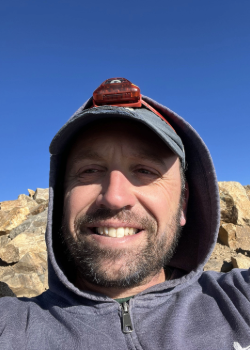
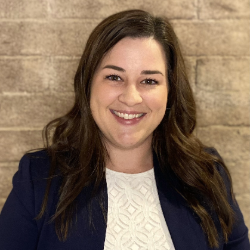
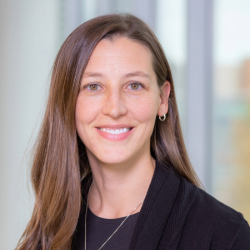
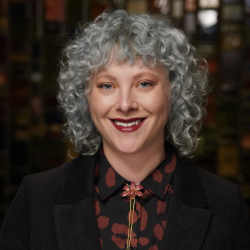
Sarah is an Assistant Professor of Family Medicine at the CU Anschutz School of Medicine. She is health and behavior scientist, community-engagement guru, and mixed methods researcher who focuses her research on how primary care and public health systems can be catalysts for the prevention and effective management of disease in ways that deliver relevant and responsive healthcare and create equitable outcomes for people across the lifespan. She has spent nearly 15 years exploring approaches to increasing vaccine uptake and combatting vaccine hesitancy and misinformation. Her work has also addressed asthma management, advanced medical education, refugee health, primary care engagement, mental health, and maternal health. Additionally, she conducts research on the science of engagement. Grounded in her experiences of community organizing and community-based participatory action research, Sarah’s research also seeks to integrate the lived experience and optimize the impact of patient and community partners on the research process through authentic and robust engagement methods. Specifically, she studies approaches for engaging disenfranchised and underrepresented patients and communities in the conduct of research, including youth, refugee and immigrant communities, and multilingual partners.
Sarah co-directs the Training, Education and Mentorship (TEaM) Core and serves as a methodologist in the Qualitative and Mixed Methods Research Core at ACCORDS. Sarah’s research has been supported by the NIH, CDC, PCORI, Colorado Department of Public Health and Environment, American Cancer Society, among others. Sarah serves an academic editor for PLOS Global Public Health and she has publishes her work in journals such as American Journal of Public Health, PLOS One, Vaccine, Implementation Science, Journal of Immigrant and Minority Health, and Journal of the American Board of Family Medicine.
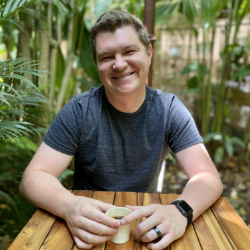
Kirk Fetters, MD
Infectious Diseases Fellow
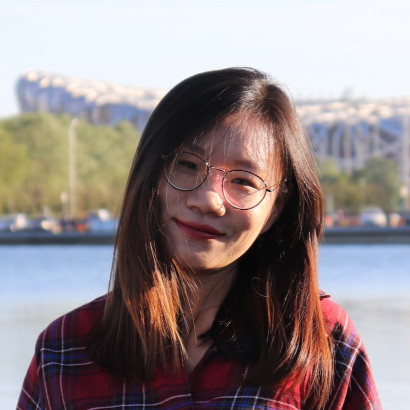
Xiaoyu Guan, MPH
Research Services Senior Information Science Professional
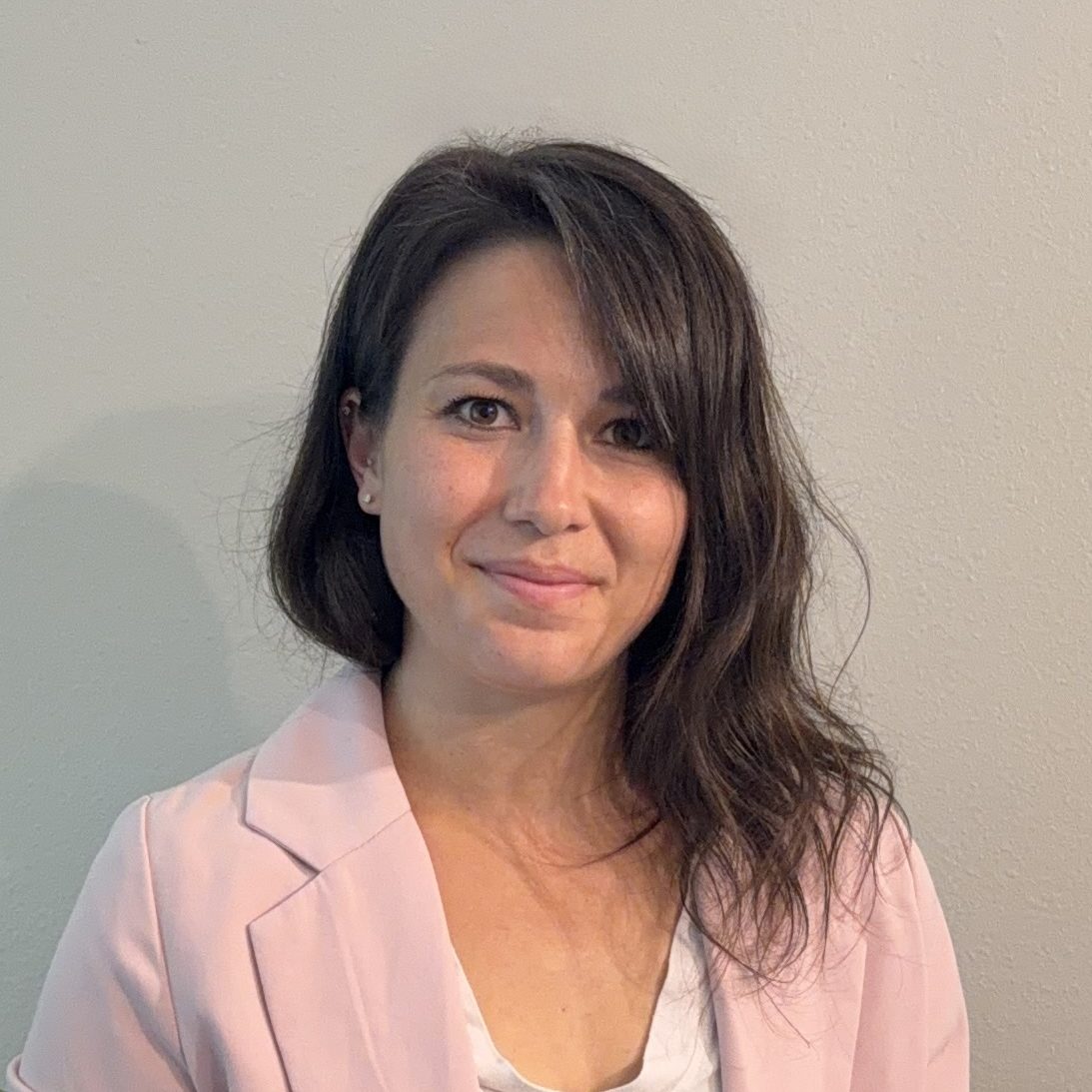
Alyssa Haberle, MBA
Lab Manager
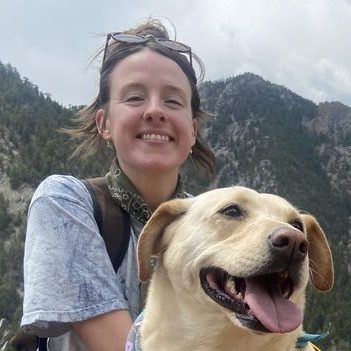
Lauren Kerr, MPH
Senior Research Services Professional
Pranav Padmanabhan, MPH
Research Assistant
Sarah Staron, MPA
Lab Coordinator