After breaking his leg, Delvin got a serious infection and was facing a possible amputation. The limb restoration team at UCHealth stopped the infection and saved Delvin's leg. "...seeing them from the darkest point of their life to their restored self. Now, he's back to doing the things he loves.
Multiple trauma patient, Devyn Brinkerhoff, was airlifted to University of Colorado Hospital after being in a horrific car accident in Gillette, Wyoming. The severity of her injuries were some of the worst that the UCH doctors, trauma surgeons, and staff had ever seen. After an aggressive stabilization and multiple surgeries, Devyn woke up and began the long road to recovery with the help of doctors, medical staff, rehab specialists, and the unconditional support from her family. This is a story which, instead of ending in tragedy, became a tale of courage, love, and hope.
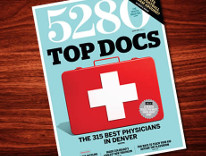
The Denver magazine's annual list includes 315 physicians across 95 medical specialties, with doctors chosen by other physicians. The magazine surveys area doctors and asks them which metro-area physicians they would trust to treat themselves and their families. We're proud that Dr. Stoneback is one of our faculty that made the 2015 list!
In April 2015, along with a few other faculty members, Dr. Jason Stoneback spent a week in China, presenting at two conferences and observing surgeries. The goal: to learn from each other and help patients on both sides of the Pacific.http://www3.uch.edu/uchinsider/orthopedics%20china%20exchange.pdf