For most people, a bump from a passerby on the sidewalk, a hike on an uneven trail, or even carrying a shopping basket in the grocery store doesn’t affect mobility. However, these everyday encounters and activities can present unpredictable challenges for those who wear a lower-limb prosthesis.
Understanding mobility challenges like these—and addressing them using feedback obtained directly from prosthesis users—is a primary, yet elusive, goal for rehabilitation physicians, prosthetists, and researchers alike.
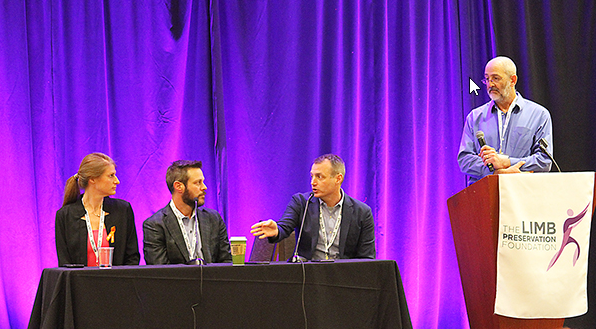
The theme of last Friday’s 2nd Annual Limb Preservation Foundation Symposium (co-sponsored by Amplitude) was “Hope, Help & Possibilities.” It was hard not to feel hopeful after the day-long event, which showcased the bounty of emerging treatments and technologies to improve amputees’ lives. There were sessions on mobility, mental health, pain management, osseointegration, next-gen bionic limbs, and a whole lot more.
It’s been just over a year since the Limb Loss and Preservation Registry (LLPR) flipped its shingle from “Coming Soon” to “Open for Business.” Co-founded by the Mayo Clinic with funding from the National Institutes of Health, the LLPR is now receiving data about amputee care from more than a dozen clinical partners, and new affiliates are joining at a rate of roughly one a week.
As more people with amputations choose osseointegration (OI), prosthetists across the country are learning how to support this patient base.
About 2,000 patients across the world have undergone the procedure to have titanium implanted inside their bones to connect to their prostheses. About 500 of those patients have received the Osseo anchored Prostheses for the Rehabilitation of Amputees (OPRA) Implant System, the only US Food and Drug (FDA)-Approved osseointegration solution in the United States.
Background: More than half of patients with lower-limb amputation who use socket prostheses experience at least
one fall annually. These falls are primarily attributed to reduced proprioception which negatively affects balance.
A promising alternative to socket prostheses are osseointegrated prostheses that involve direct fixation of the
prosthetic limb to the residual limb through a bone-anchored implant, yet its effect on balance remains unknown.
Research question: Do osseointegrated prostheses change static and dynamic balance, as well as patient reported
measures of balance confidence, compared to a socket prosthesis?
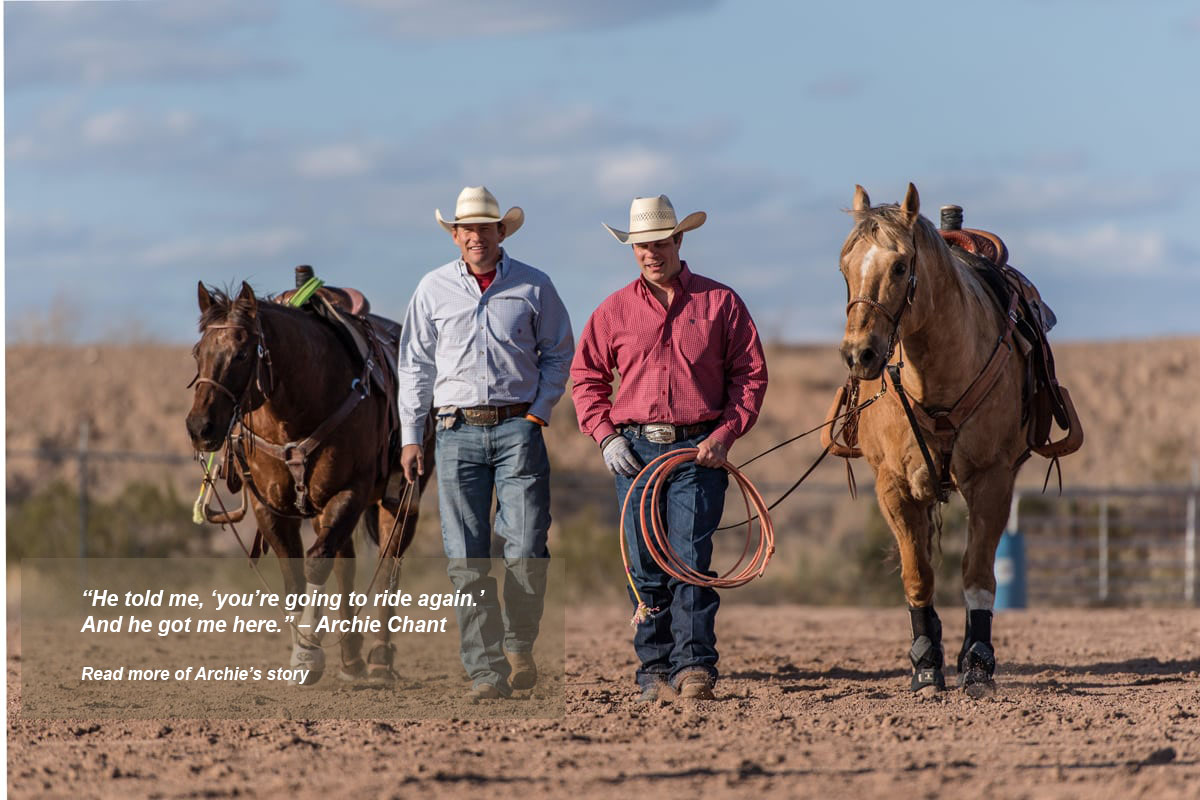
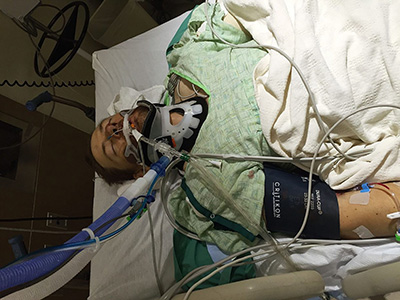
Archie and Lesa Chant were headed home to their Wyoming ranch, driving on a “middle-of-nowhere,” two-lane highway when the course of their future forever changed.
A Wyoming rancher nearly died in a terrible head-on crash. By chance, fate brought him to just the right doctor: a fellow cowboy who could help him get back in the saddle again.
A Wyoming rancher nearly died in a terrible head-on crash. By chance, fate brought him to just the right doctor: a fellow cowboy who could help him get back in the saddle again.
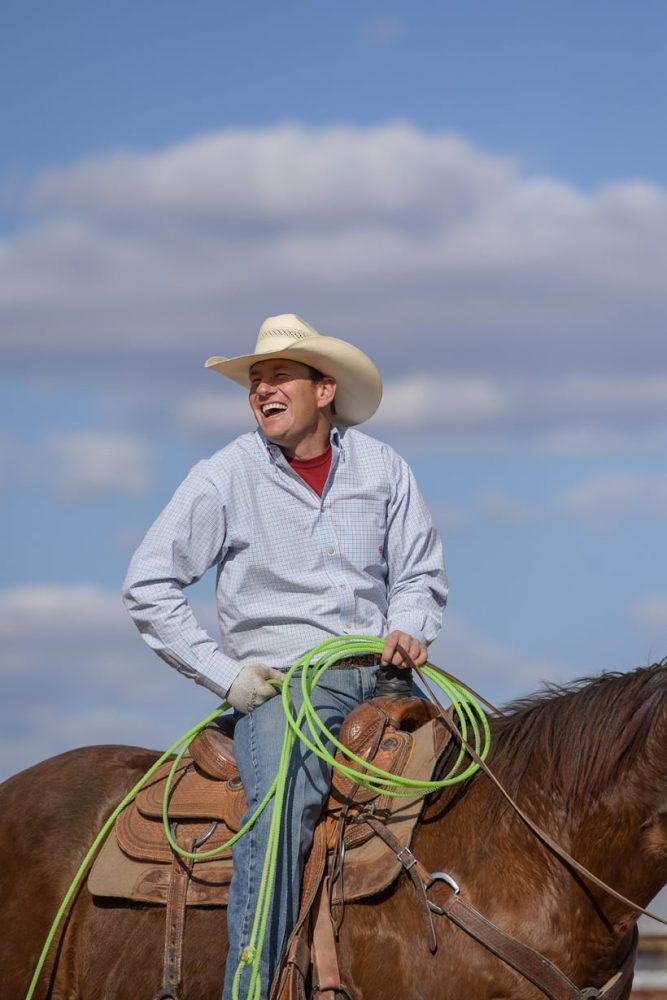
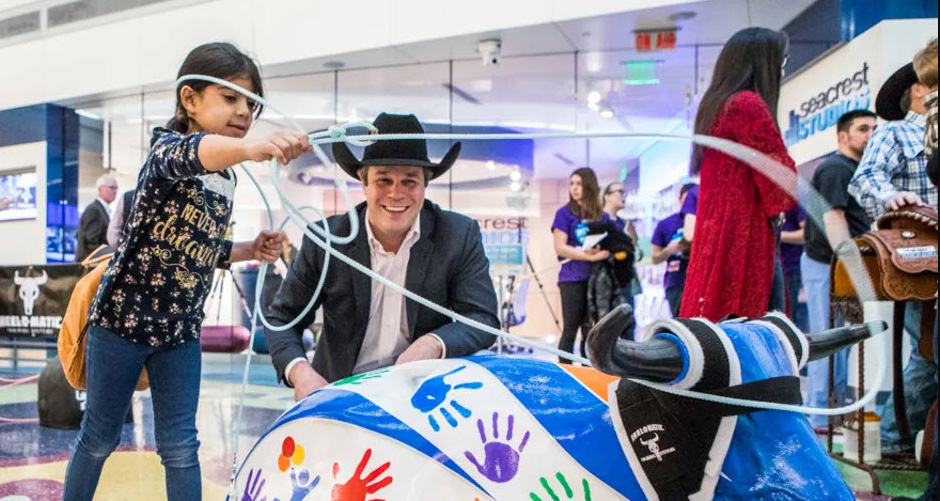
In Denver, each new year kicks off with the National Western Stock Show and Rodeo, a Colorado tradition since 1906. It’s a tradition that team roper Dr. Jason Stoneback has taken part in since he began working with the Justin Sports Medicine Team in 2011.