

Participate in Limb Restoration Research

Why Participate in Research

Why Participate in Research?

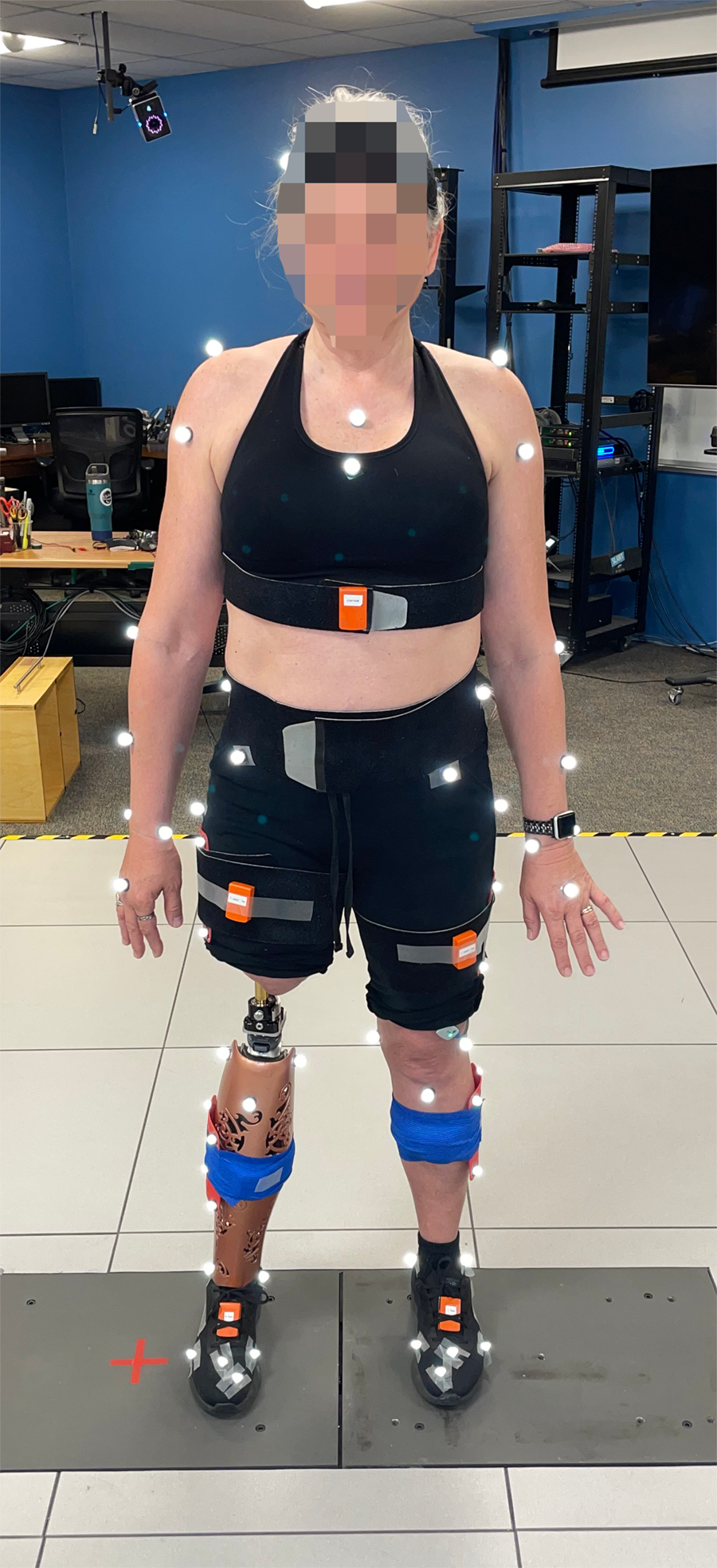
Research is a cornerstone of the Limb Restoration Program’s clinical mission. By integrating patient-centered research directly into clinical care, the program advances evidence-based treatment for bone-anchored prosthetic limbs, focusing on mobility, comfort, safety, and long-term quality of life. Ongoing studies in osseointegration outcomes, gait biomechanics, rehabilitation, pain, and prosthetic performance allow patients to actively contribute to improving current and future care for people living with limb loss.
Our researchers in the Bone-Anchored Limb Research Group have had the pleasure of working with our patients to demonstrate numerous benefits of bone-anchored limbs, including:

  1. Improvements in balance and balance confidence with transfemoral bone-anchored limbs (Gaffney et al, Gait & Posture, 2023)
  2. Reduced prosthesis donning time, as measured by the Colorado Limb Donning–Timed Up and Go (COLD-TUG) test (Awad et al, Journal of Bone and Joint Surgery, 2025)
  3. Reductions in residual limb pain and associated improvements in pain-related quality-of-life one year after osseointegration (Shaw and Awad et al, Journal of Bone and Joint Surgery, 2025)
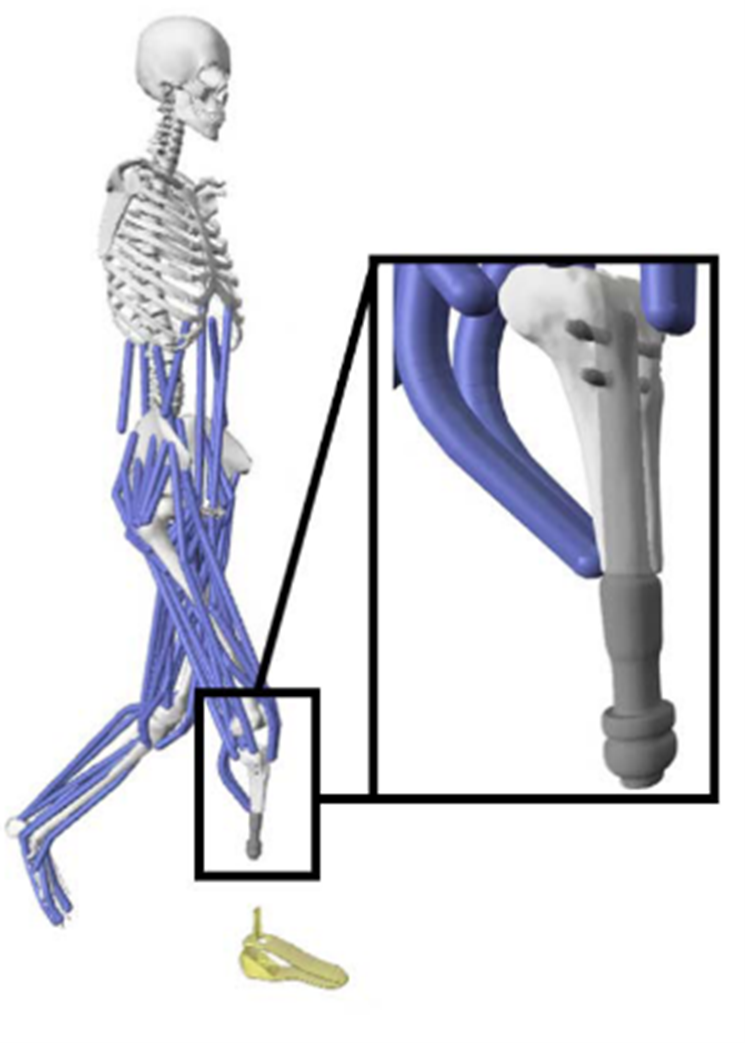
  4. Reduced asymmetry between amputated and intact limbs during walking, particularly in hip and knee loading, without compromising gait speed or stride length (Tracy et al. Journal of Biomechanics, 2025)
  5. Greater joint loading symmetry during sit-to-stand transitions with transfemoral bone-anchored limbs (Thomsen-Freitas et al, Clinical Biomechanics, 2025)

Participation in research helps refine surgical techniques, optimize rehabilitation protocols, and guide innovation in prosthetic technology—transforming real-world experiences with bone-anchored limbs into meaningful clinical advances. For patients seeking to engage in osseointegration research, the Limb Restoration Program offers a unique, collaborative environment where research participation directly supports better care, better movement, and better lives for the amputee community.

How do I get Involved?

If you would like to be involved in our research in the Bone-Anchored Limb Research Group, we encourage you to check out the opportunities below with details on our studies that are currently open to enrollment.
If you have any other questions about participating in research, please contact the CU Limb Restoration Program by phone at 1-844-800-(LIMB) 5462, or by email at [email protected]
Opportunities to Participate in Research:

How the Stiffness of a Prosthetic Foot Affects Movement and Daily Activities in People with Below-the-knee Amputations

Stiffness of a Prosthetic Foot

COMIRB #25-0854
National Clinical Trial ID: NCT07263945

This study wants to learn how changing the stiffness of a prosthetic foot affects how people with below-the-knee amputations move and do everyday tasks. We are looking for people who use either a bone-anchored prosthetic leg or a standard socket prosthetic leg to join!
Click here for more information

A Prospective, Multicenter, Single-Arm, Open-Label Study to Evaluate the Safety and Effectiveness of the Transdermal Compress Device in Participants with Transfemoral Amputations

Transdermal Compress Device

COMIRB #23-1998
National Clinical Trial ID: NCT06134167

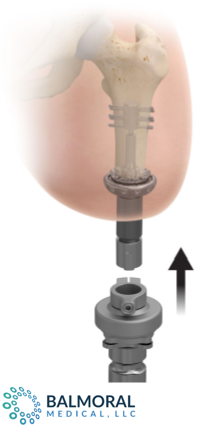
This prospective, multicenter, single-arm, open-label pivotal study is designed to evaluate the effectiveness and safety of the Transdermal Compress device in participants with transfemoral amputations.

If you are interested in participating in this research study, please contact the CU Limb Restoration Program by phone at 1-844-800-(LIMB) 5462, or by email at [email protected].

CMS Login