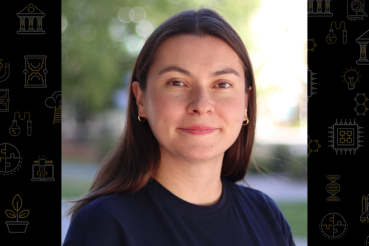

“Synchronous climbing fiber activity enables instructive signaling for cerebellar learning through modulation of disinhibitory circuits”
Congratulations to the Christie lab on the publication of a new paper in Nature Neuroscience!
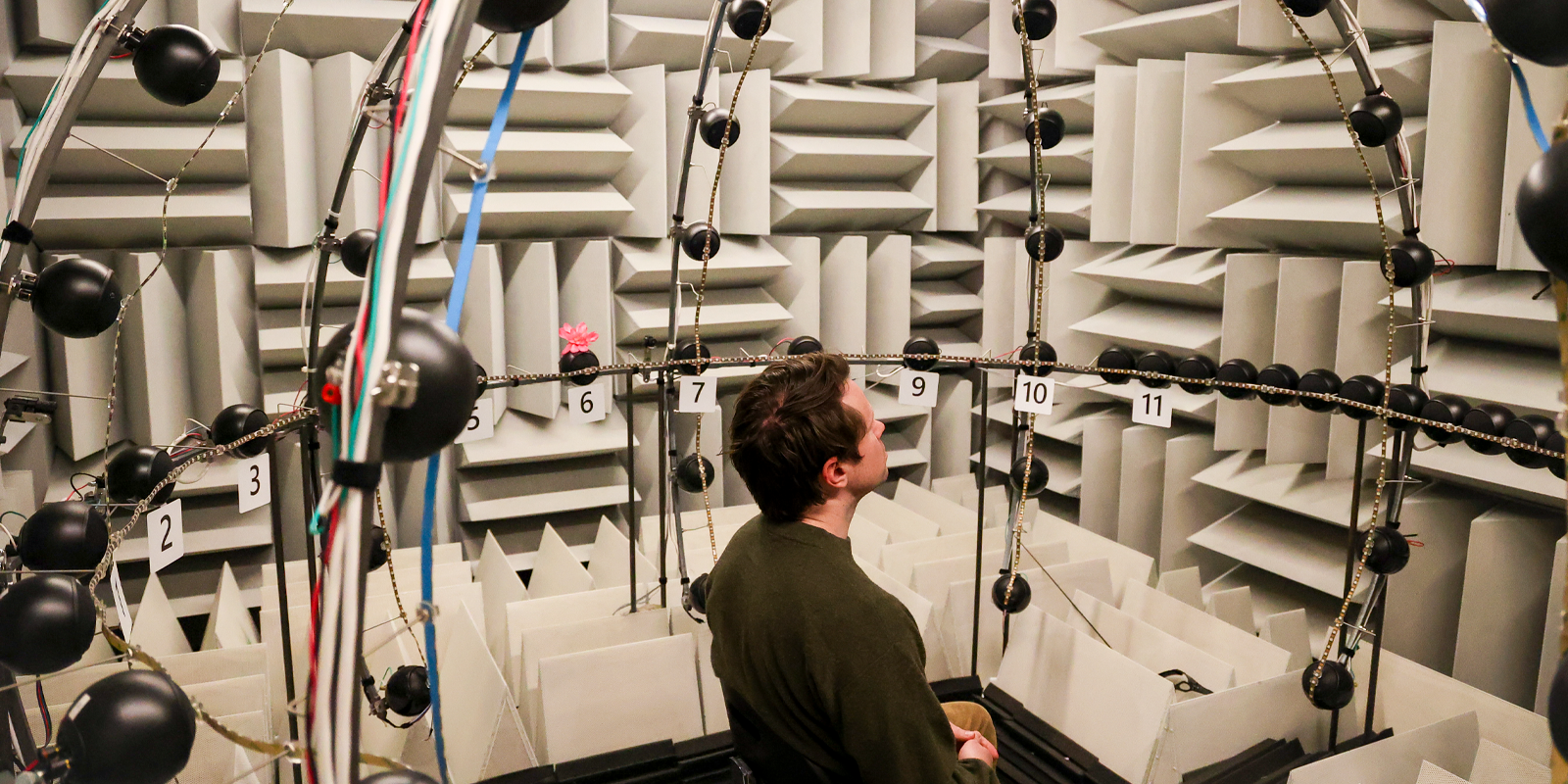
"CU Anschutz Communications Highlights Our CAPD Clinical Trial!"
Spotlight on the Klug lab's CAPD hearing-loss therapy now entering human trials
"Parley Neurotech Enrolls First Patient in Clinical Trial Targeting the #1 Modifiable Risk Factor for Dementia"
Beating every published Phase II benchmark with 229 days from IND submission to first enrollment — in an indication with 800 million patients and no approved treatment

"Vision Group featured in The Department of Ophthalmology interview on their VISTA seed grants!"
Thrilled, honored, and grateful” — Dr. Felsen describes their reaction to receiving the VISTA award
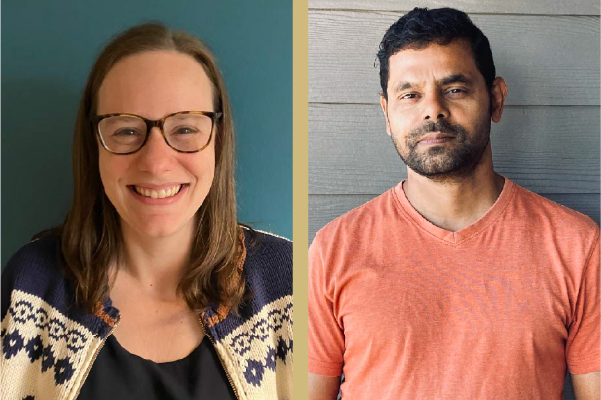
"Connexin 36-mediated gap junctions contribute to fine odour discrimination and late-phase excitation of mitral cells in the mouse olfactory bulb" authored by Drs Praveen and Shelly Jones of the Schoppa Lab, published in the Journal of Physiology
 "Distinct dendritic integration strategies control dynamics of inhibition in the neocortex" authored by Drs DiGregorio and Cathala, published on Neuron
Until now, it was unclear how different inhibitory neurons in the neocortex combine their many inputs to shape brain activity. This study reveals that each interneuron type has its own distinct dendritic computation. Fast-spiking parvalbumin (PV) cells integrate inputs sublinearly, limiting their response and enabling rapid, precisely timed inhibition. In contrast, somatostatin (SST) cells integrate supralinearly through NMDA receptors, amplifying inputs to produce slower, more sustained inhibition. This discovery overturns the long-held assumption that inhibitory neurons act as simple relays, showing instead that their dendrites perform specialized computations that sculpt the timing and flow of cortical activity.

Klug Lab Approved for Phase II Clinical Trial by the FDA
The trial is for hearing restoration of a form of age related hearing loss which disallows listeners to function in noisy and crowded environment such as busy restaurants. A combination therapy consisting of a drug and engineered sound will be tested.
The preclinical data suggest that this therapy is highly effective, noninvasive and easy to do. The goal of the phase II trial is to test whether we see the same efficacy in human subjects. We are planning to enroll participants around the end of September/early October.
The Principal Investigators are Dr. Achim Klug and Dr. Sam Budoff from the Department of Physiology and Biophysics, Dr. Enrique Alvarez from the Department of Neurology and Dr Yuri Agrawal and Dr Vinaya Manchaiah from the Department of Otolaryngology.
FDA approval number: IND 178635
COMIRB approval number: 25-1184

New multi-PI Grant issued by the NIH NIDCD
Doctors Dan Tollin and Achim Klug received a notice of award for a new multi-PI grant from NIH NIDCD which will investigate neural mechanisms involved in hearing in noise such as crowded restaurants!
The goals of the R01 include looking into neural mechanisms at the level of the brain which contribute to this problem. In human subjects, the researchers suspect that age, lifestyle and many other factors contribute to this problem and no two humans are the same, which makes it difficult to rigorously address this question.

Dr. Ana Fernandez-Mariño published in the Nature Journal
The “Structural basis of fast N-type inactivation in Kv channels” paper investigates the mechanism behind the fast inactivation of potassium (Kv) channels, specifically the Shaker Kv channel, using cryo-electron microscopy, mass spectrometry, and electrophysiology. The research reveals that part of the channel’s N-terminal tail acts as a plug that blocks ion flow by inserting into the pore. Unlike previous models that suggested a ball-and-chain mechanism, this plug is a linear stretch of amino acids. Additionally, the first amino acid of this tail, methionine, is removed and replaced with acetylated alanine, which helps it bind to a pore-lining site regulated by RNA editing. This discovery provides new insight into how RNA editing controls fast inactivation in Kv channels. The study also shows that channel opening rearranges hydrophobic residues, facilitating the plug's insertion. In addition, an old puzzle about how external potassium speeds recovery from inactivation is also resolved; instead of positively charged potassium pushing the plug out, it reshapes allosterically the selectivity filter, which indirectly destabilizes the N-type plug. The findings have broad implications for understanding ion channel physiology, channelopathies, and drug design, particularly in the context of therapeutics targeting inactivated channel states.

"Developmental auditory deprivation in one ear impairs brainstem binaural processing and reduces spatial hearing acuity," authored by Dan Tollin and Natahniel Greene, published in PLOS Biology!
The study reveals that even brief early-life hearing deprivation, common during childhood ear infections, can cause lasting brainstem processing deficits that impair spatial hearing essential for understanding speech in noisy settings (daycare, classrooms) even after resolution of the hearing loss. These effects were specific to deprivation in infancy/childhood; adult-onset conductive loss did not produce comparable brainstem or behavioral changes, indicating a critical period for establishing binaural hearing circuitry. Clinically, the findings underscore the need for detection and treatment of even temporary pediatric hearing loss to prevent enduring spatial-hearing deficits and impacts on speech and language development.
All 5 co-authors we at Anschutz when the research was conducted.