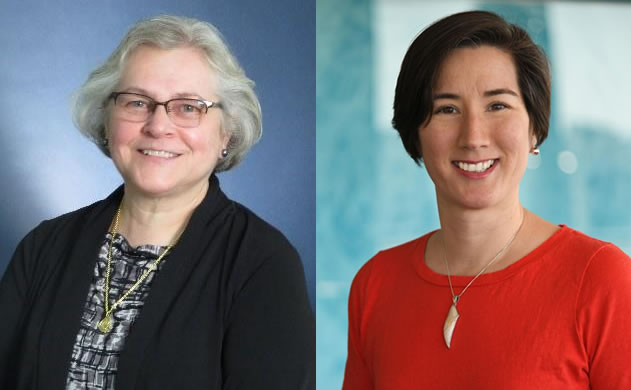
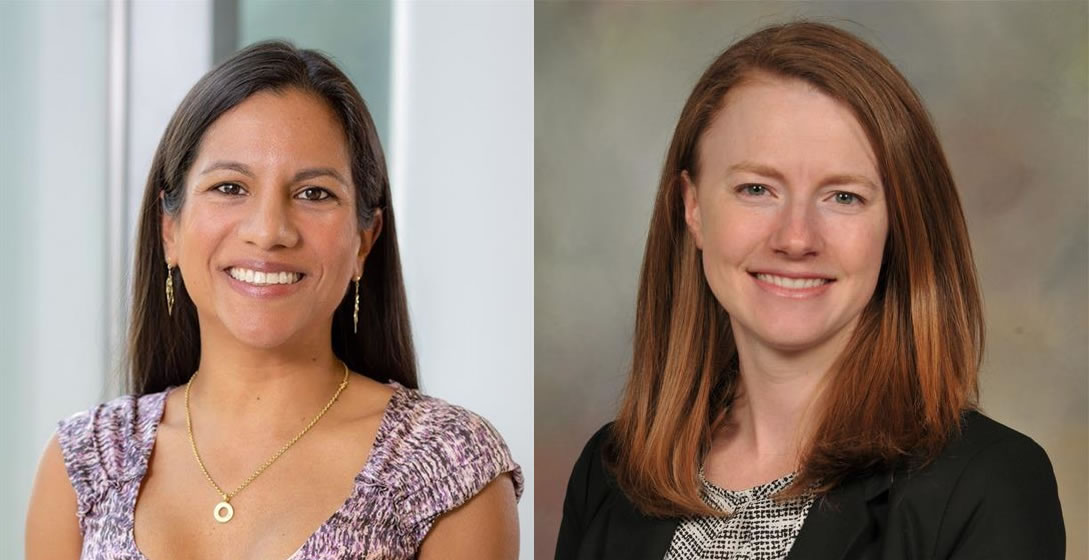
Two faculty members in the Department of Dermatology, Cheryl Armstrong and Anna Bruckner, were selected as "top doctors" in the 2022 issue of Denver's 5280 Magazine.
When she was 13 years old, Calla Winchell correctly diagnosed herself with a rare genetic disease, Ehlers-Danlos Syndrome, by looking up her symptoms online. Her doctor at the time discounted the idea that she had a medical condition. A few years later, when worsening symptoms led her to seek medical help again, doctors told her they'd never treated anyone with her condition and didn't know how to help. Now in her 20s, Calla has found expertise and hope at the Gates Center for Regenerative Medicine, where researchers are finding new treatments for her condition.
Dennis Roop, PhD, has served as the Director of the Gates Center for Regenerative Medicine since its inauguration in 2007. This year, as he prepares to pass the torch to a new director, Dr. Roop is being honored for all his accomplishments. Under his leadership, the program that began with a $6 million gift has grown into a $200 million partnership between the Gates Frontiers Fund and CU Anschutz.
Alopecia Areata, an autoimmune disorder, causes either sudden diffuse hair loss or circular bald patches of the scalp. Long before the "slapping incident" at the 2022 Oscars raised public awareness of the disorder, faculty in the Department of Dermatology were researching treatments for AA. Currently, ongoing studies by Drs. Dunnick, Norris, and Wallace are demonstrating the effectiveness of JAK inhibitors as a treatment for this condition.
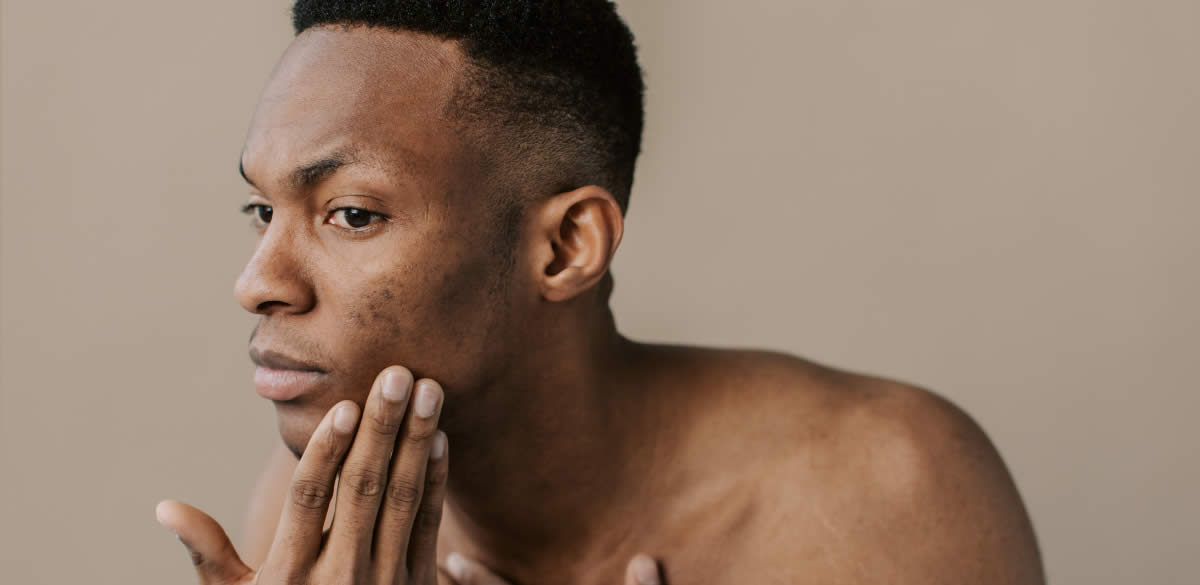
A new study presented at this year’s annual meeting of the American Academy of Dermatology found that the majority of TikTok content related to dermatology and skin of color originates with social-media influencers and estheticians, not board-certified dermatologists. The study, led by our own Dr. Robert P. Dellavalle, not only raises concerns but also highlights opportunities for dermatologists to share evidence-based information with online communities.
CU Medicine Dermatology, our department's clinic at the edge of the Anschutz Medical Campus, is meeting the needs of underserved groups in the Denver/Aurora community, including Medicaid patients, patients of color, and transgender individuals preparing for surgery.
“A success rate of 73% is very good,” said lead author Cory A. Dunnick, professor of dermatology and director of clinical trials. No serious adverse events occurred, and adverse events of any kind were limited, the researchers found.
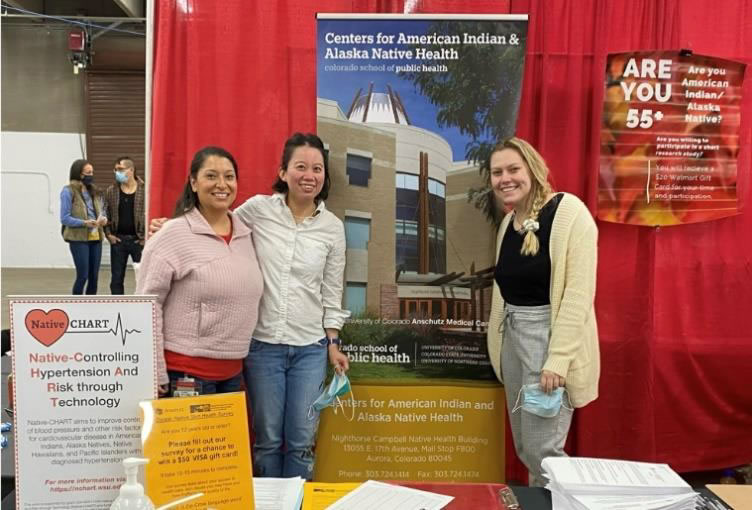
At the Denver Native American Heritage Pow Wow in November 2021, Dr. Lucinda Kohn administered surveys for her research study on the relationship between American Indian and Native Alaskan access to dermatology care, quality of life, and skin health. For more details, see page 2 of the February 2022 newsletter from the Center for Children's Surgery.
Two of our faculty members were recognized in the May 2021 newsletter for the Center for Children's Surgery: Carla Torres-Zegarra, MD, for hosting the "Pediatras en Línea" podcast; and Emily Gurnee, MD,for winning a Weston Career Development Award from the Pediatric Dermatology Research Alliance and Society for Pediatric Dermatology. See page 2 of the newsletter for details.


.jpg?sfvrsn=354898ba_4 "Dennis Roop, PhD, with Terry Fry, MD")
.jpg?sfvrsn=d63b86ba_2 "Alopecia Banner (850 x 400)")
.jpg?sfvrsn=7ccdb9ba_2 "Social-media influencer (800 x 440)")
.jpg?sfvrsn=a0fcb7ba_2 "Cory Dunnick, MD (750 x 500)")
.jpg?sfvrsn=9ad8aaba_2 "Bar soaps (800 x 450)")