

The Energy Balance Lab (EBL) provides services to assess body composition, bone density, bone microarchitecture and estimated strength physical fitness, and energy expenditure values in research participants. Only CTRC-approved research protocols can request Energy Balance Lab services. To request the use of services from the EBA Core, please complete the EBAC application.
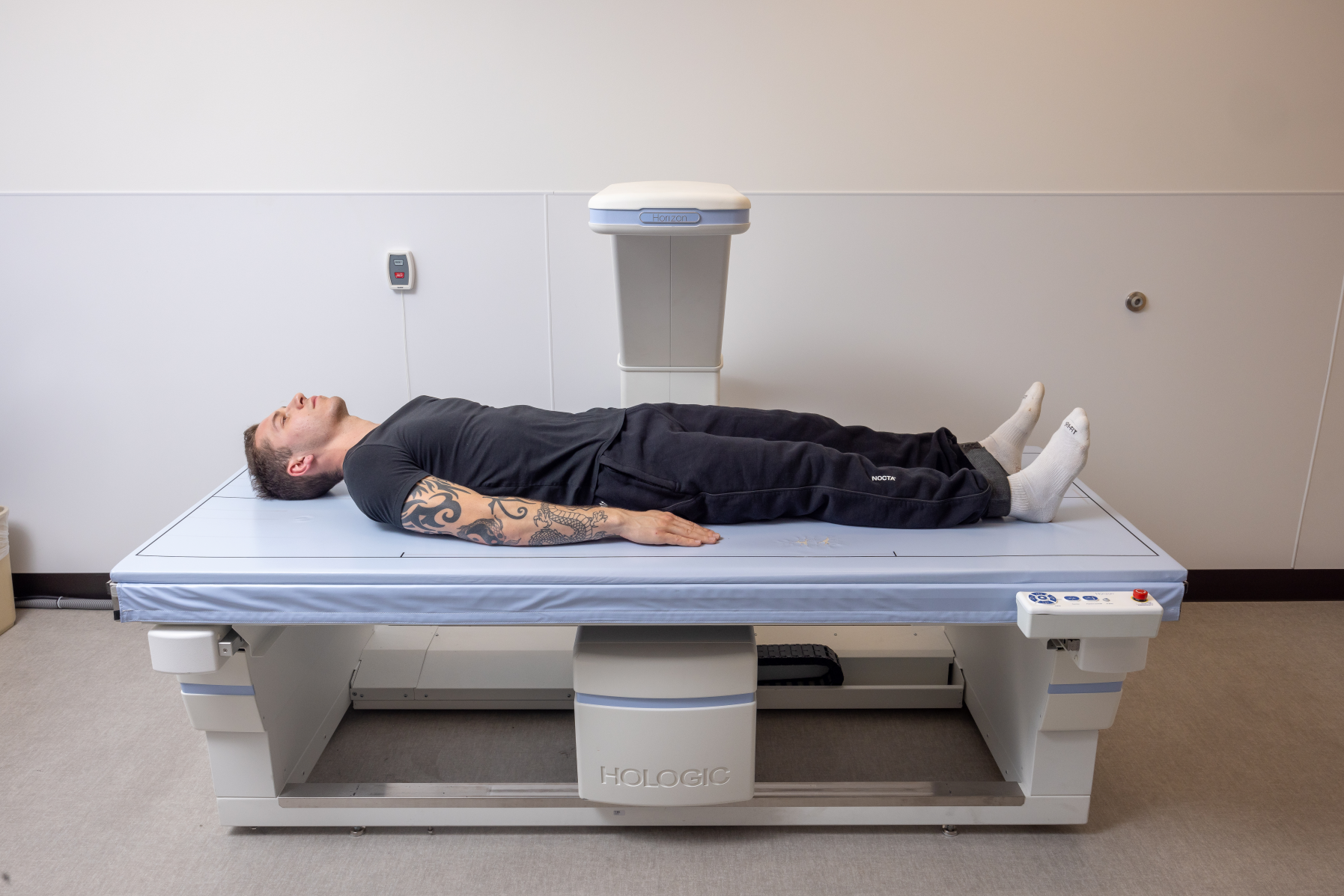
We offer DXA Total Body Scans to provide body composition information. Bone density is determined through Hip and Spine scans.
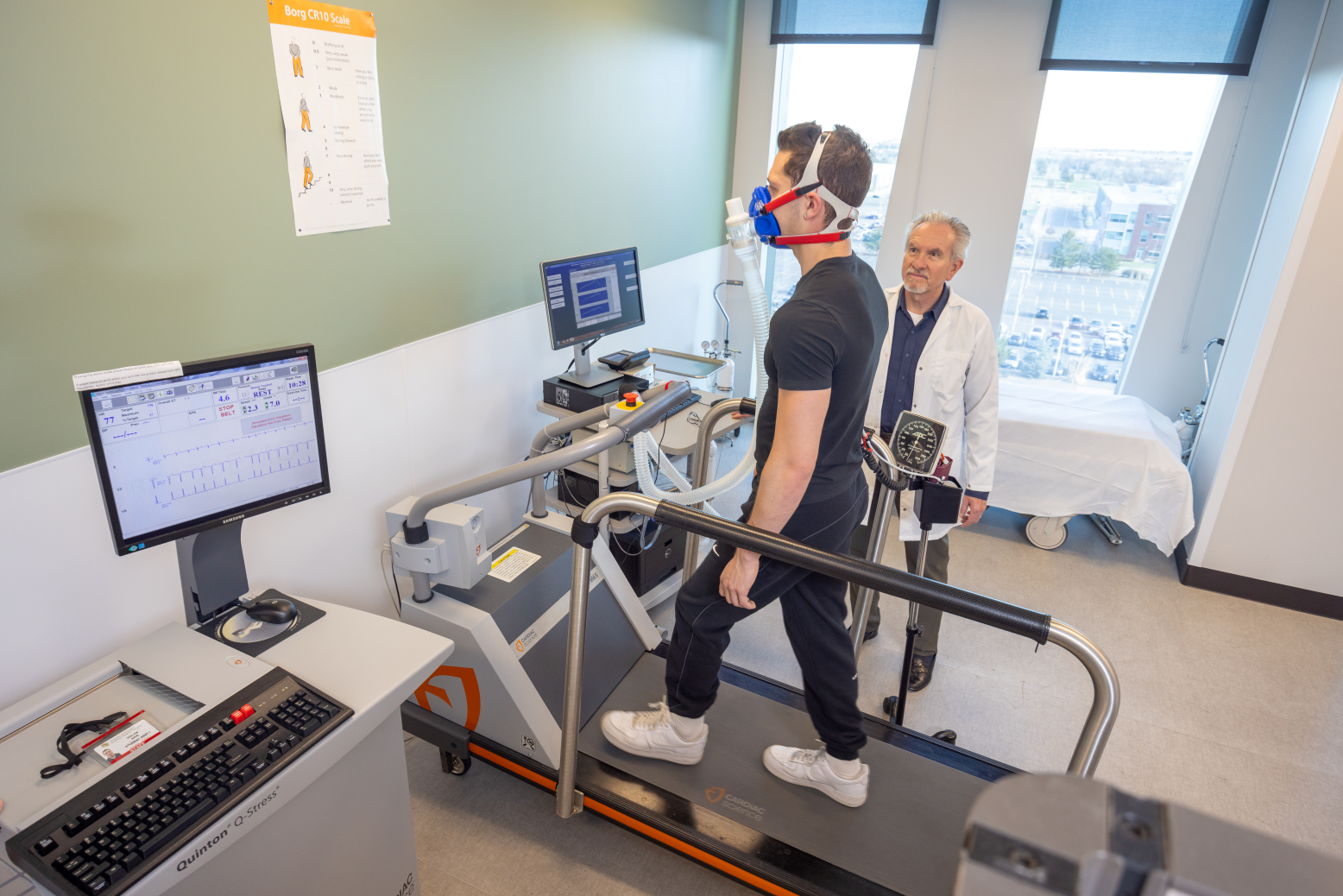
We can perform maximal or submaximal graded exercise testing with VO2 values.
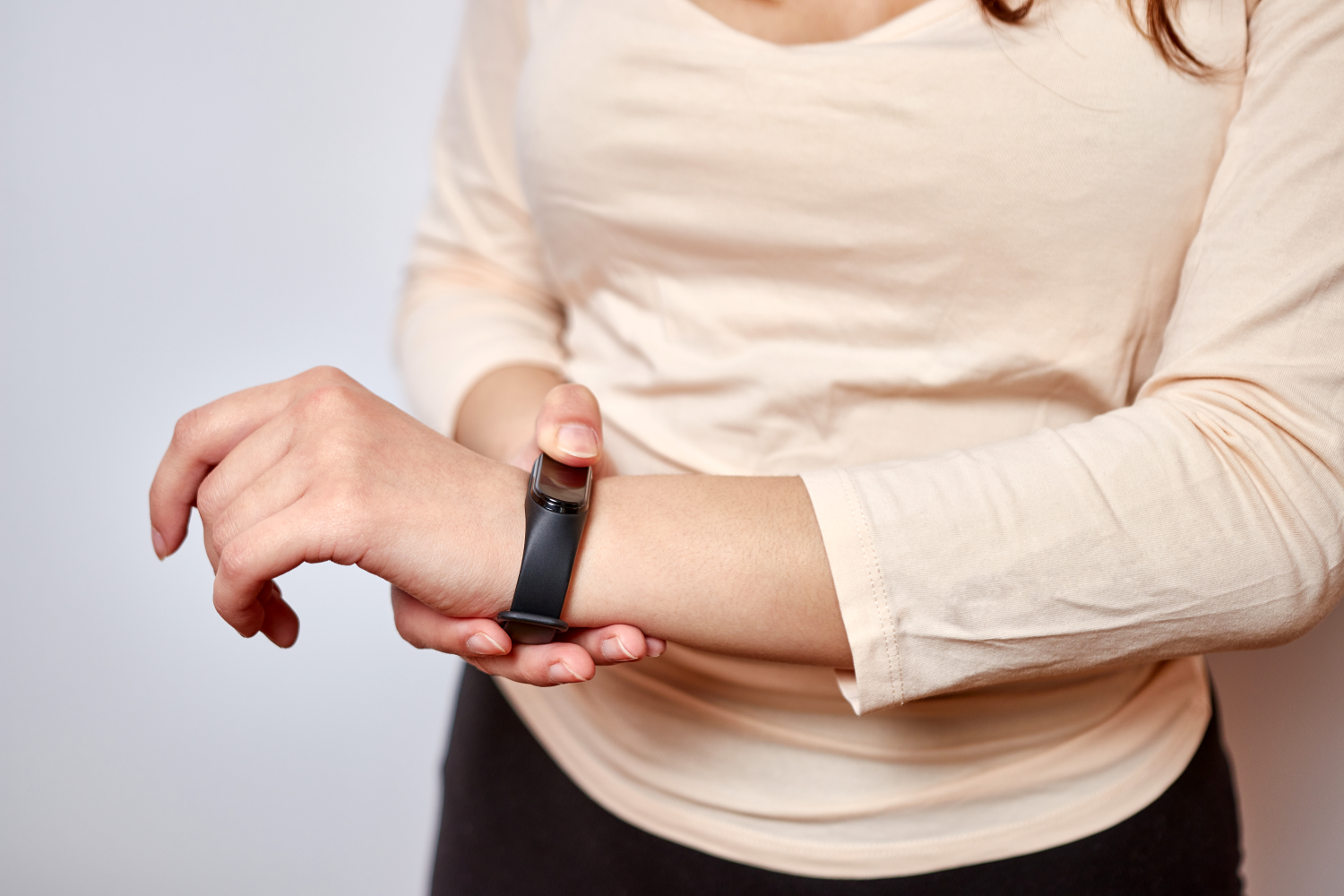
We can help your study measure physical activity through the use of accelerometers.
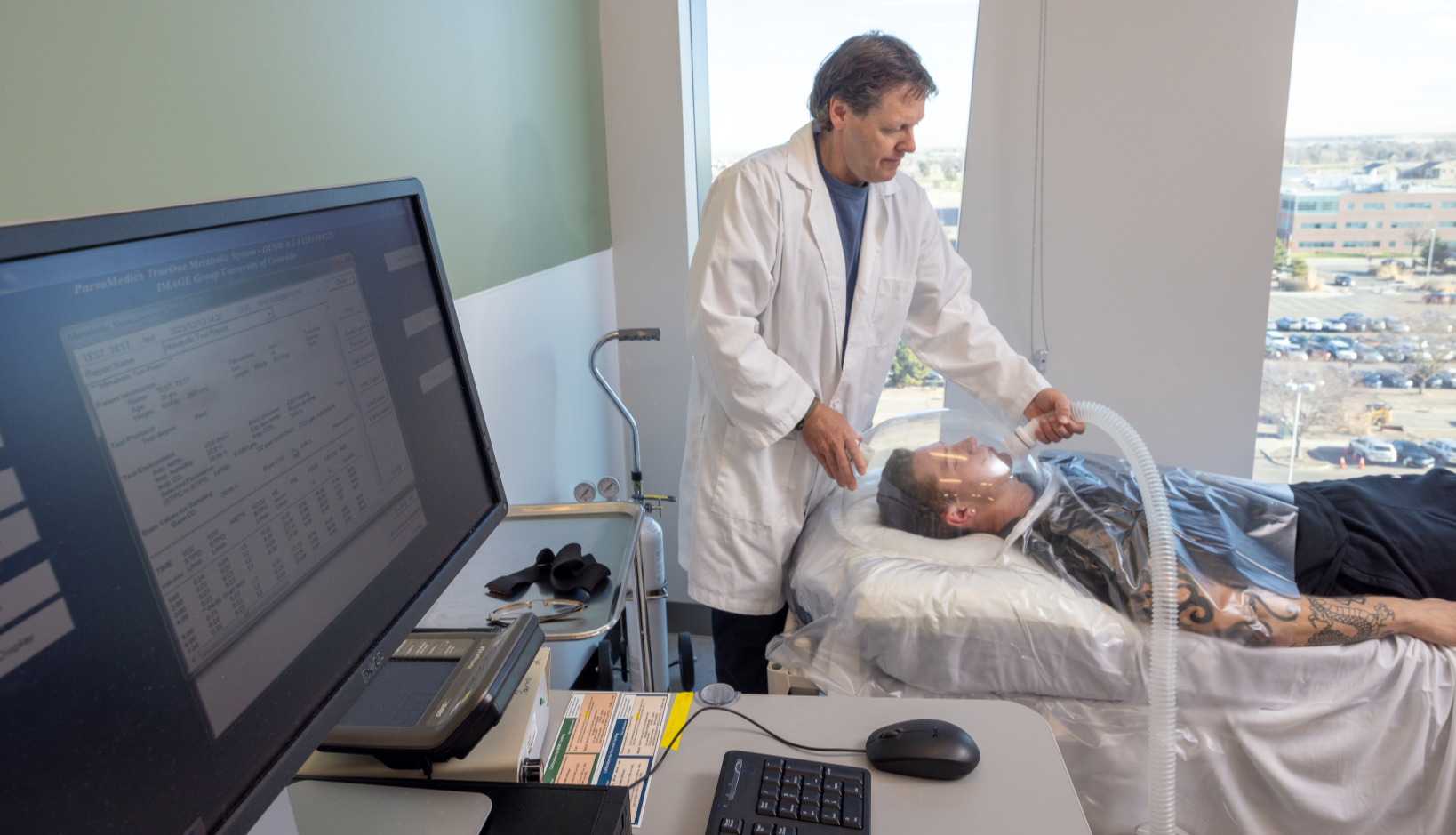
We offer Whole Room Calorimeter or Resting Metabolic Rate (RMR) testing and measurements of free-living energy expenditure using the Doubly Labeled Water (DLW) method.
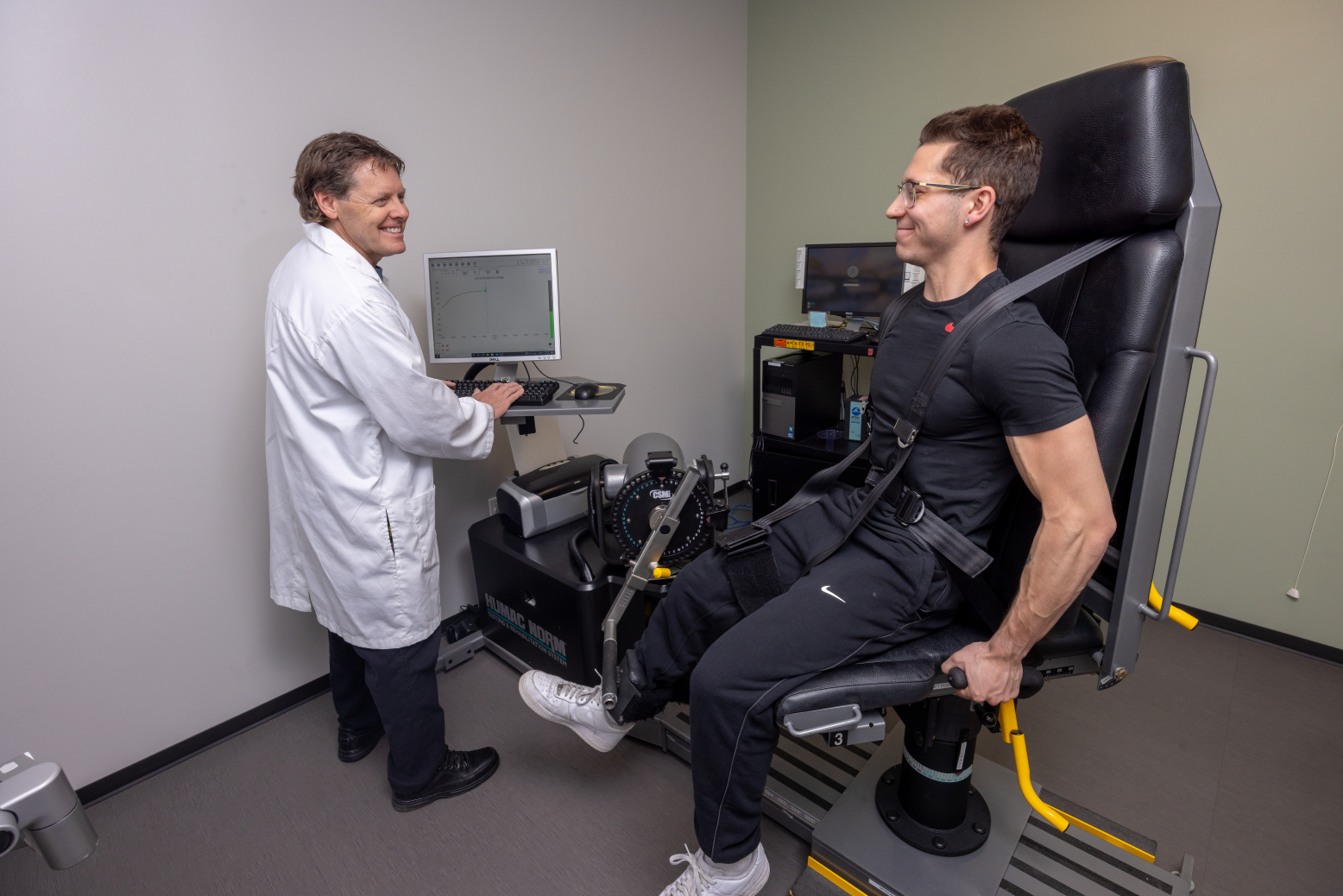
We can obtain peak torque measurements during isometric knee strength testing using the HUMAC Norm Dynamometer.
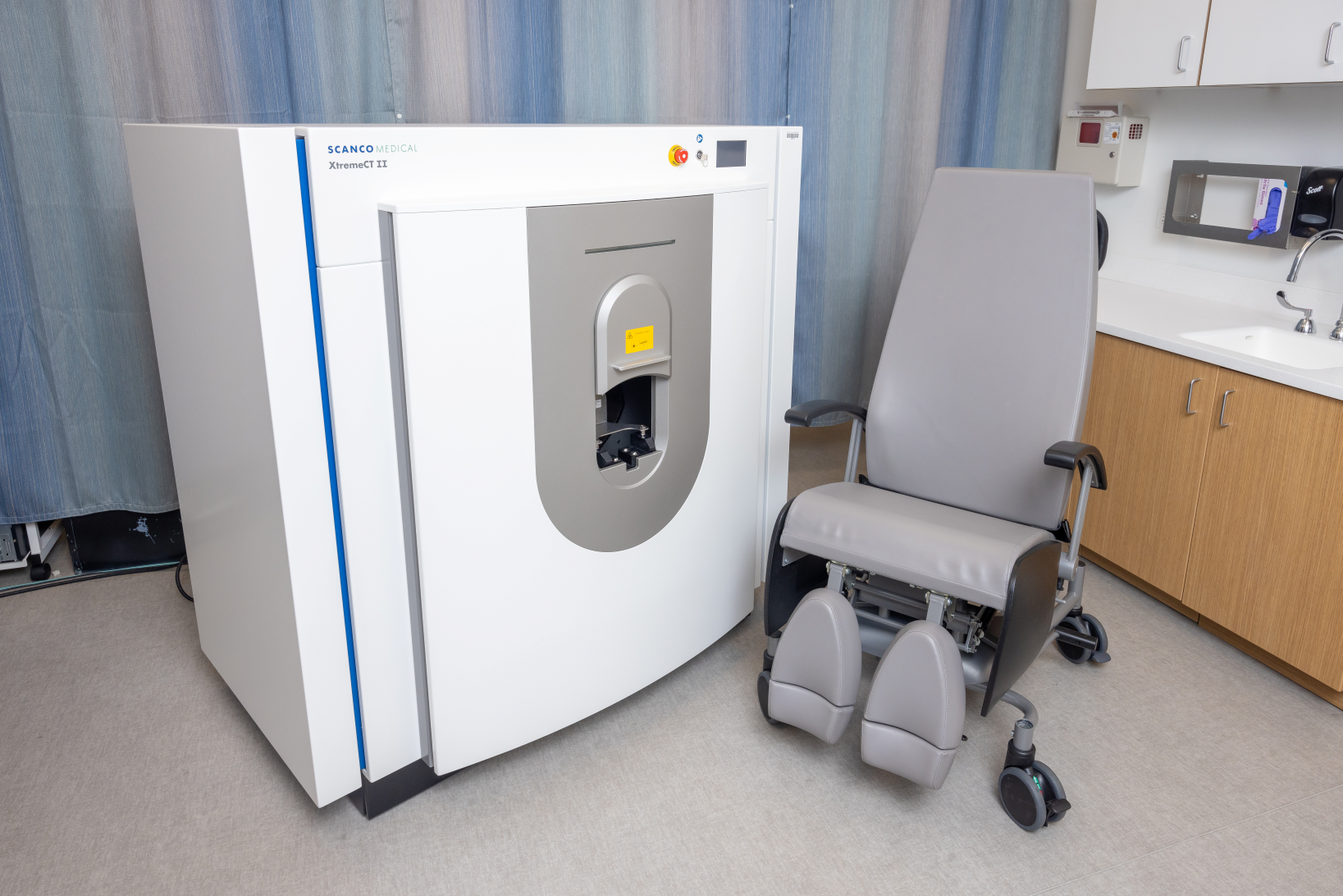
The XtremeCT II is designed to measure the bone density and to quantify the three dimensional microarchitecture of the bone at the distal tibia and radius of humans for clinical in vivo assessment of osteoporosis.
The small animal sub-core of the EBL provides support for PI’s who want to measure energy intake, energy intake, physical activity, and body composition in small animals. This is the only metabolic phenotyping core on campus, and the specialized equipment has been uniquely modified so that measures of energy balance can be acquired while assessing nutrient trafficking and metabolism. Although most of the work involves strains of rats and genetically modified mice, the equipment has also been used to study ground squirrels, pythons, and flies.
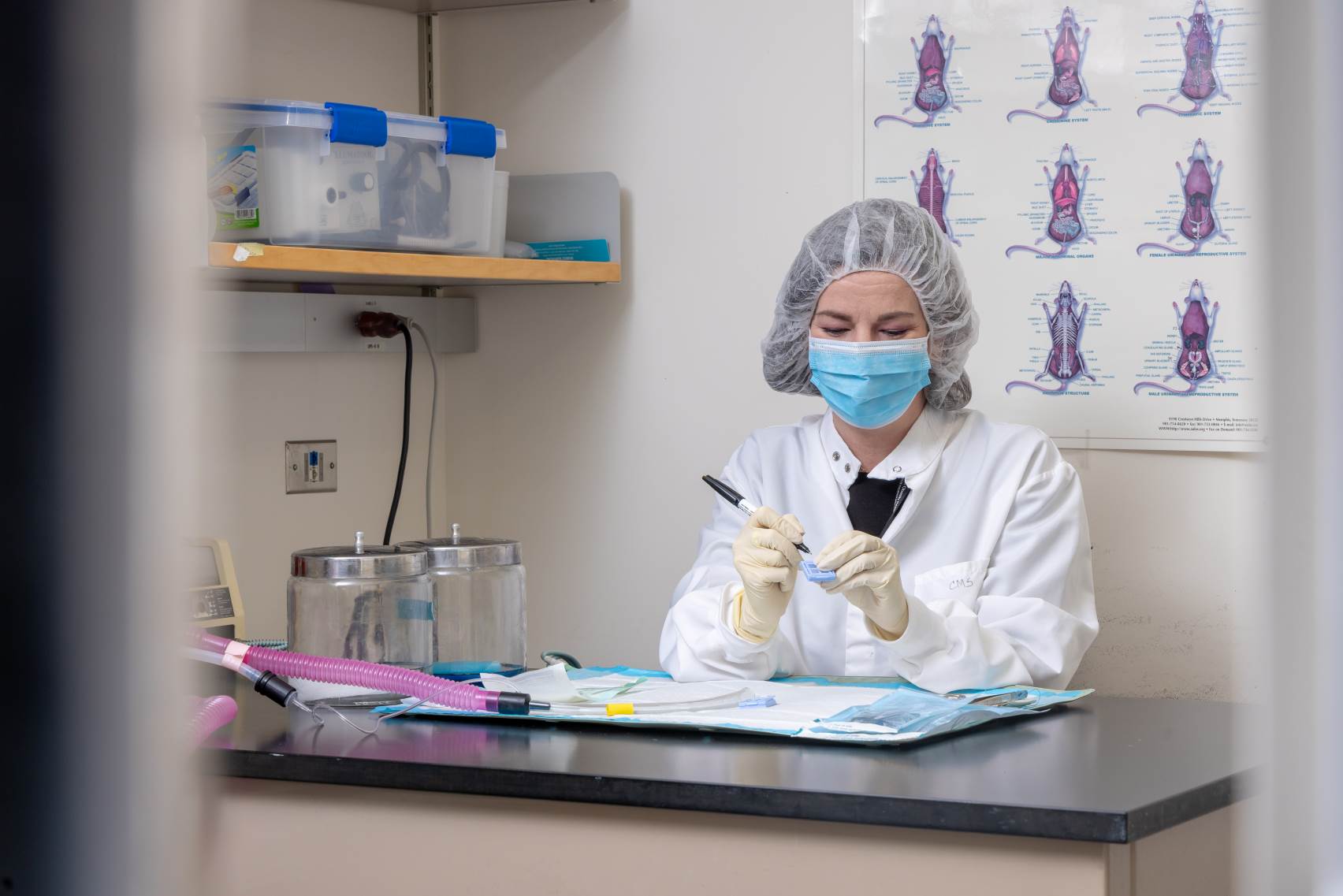
The 400sqft IACUC-approved NORC animal satellite facility is used for long term housing, metabolic phenotyping, intake monitoring, nutrient tracer studies, rodent exercise, and other preclinical procedures.
Indirect Calorimetry
The EMC maintains two 8-chamber indirect calorimetry systems (1 rat, 1 mouse) within the NORC animal satellite facility for the determination of energy intake, energy expenditure, whole body fuel utilization, and both resting and activity energy expenditure. The mouse system is enclosed within a metabolic chamber that facilitates studies over a range of temperatures (4-30C).
Tracer Calorimetry
In concert with indirect calorimetry, stable or radio-labeled isotopes may be incorporated into the diet in order to examine nutrient oxidation, trafficking, and storage.
Physical Activity
Daily physical activity is usually measured in concert with indirect calorimetry. Total, ambulatory, and non-ambulatory activities are recorded in real time.
Body Composition and Bone Density
To provide body composition information in live animals we offer both DXA and quantitative magnetic resonance (EchoMRI). Bone density can be determined with DXA through the use of small animal software. Post mortem body composition can also be determined in large organs with the EchoMRI.
Intake Monitoring
Intake monitoring can be performed by two methods. The more general and common method is to manually weigh the food, correcting for spillage over 24, 48, or 72hr periods while animals are housed in metabolic caging racks. The second method is BioDAQ, a real-time food intake monitoring system that measures the episodic feeding activity of singly housed lab animals in their home cage. Adlib, restrictive, or intermittent meal feeding can be achieved with automated gate closure following consumption of a given allotment of food.
Exercise Training
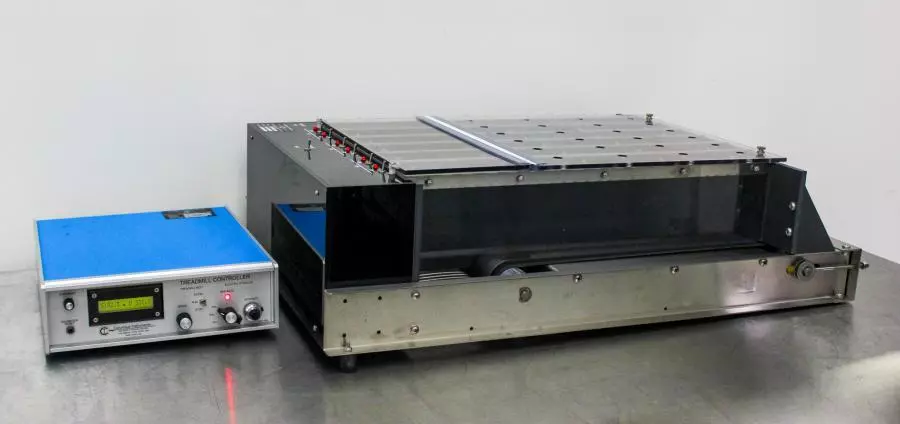
We maintain 4 Exer 3/6 Columbus Instruments treadmills within the animal satellite facility for training. Exercise energy expenditure can be determined on a single lane calorimetry treadmill.

Primary Phone:3037241913
Academic Office One
12631 East 17th Avenue
Room 8115
Aurora, CO 80045
Dr. Wendy Kohrt Ph.D. is a Professor of Medicine in the Division of Geriatric Medicine at the University of Colorado Anschutz Medical Campus and the Nancy Anschutz Endowed Chair In Women's Health Research. She is the Director of Research for Geriatric Medicine and the Director of the IMAGE research group (Investigations in Metabolism, Aging, Gender, and Exercise). Dr. Kohrt is the Director of the Energy Balance Core Laboratory for the NIH-supported Nutrition and Obesity Research Center and is the Chair of the Scientific Advisory and Review Committee for the Adult Clinical and Translational Research Center. She served on the Federal Advisory Committee that prepared the evidence report for the first Physical Activity Guidelines for Americans, which were launched by the Department of Health and Human Services in October 2008. She is an invited member of the Isis Network on Musculoskeletal Health through the Society for Women’s Health Research. Dr. Kohrt is currently serving as co-chair of the Steering Committee assembled by the National Research Council to conduct the Decadal Survey on Biological and Physical Sciences in Space, which will recommend research to support space exploration in the 2010 to 2020 decade. Dr. Kohrt has been recognized as a Distinguished Alumnus by the University of Wisconsin Stevens Point and received a Citation Award from the American College of Sports Medicine.Dr. Kohrt has been continuously funded by the NIH as a Principal Investigator for more than two decades and has more than 140 original and solicited research publications. She is currently the Principal Investigator for two NIH R01 research awards and a Co-investigator for six other NIH awards. She has mentored or co-mentored 24 Ph.D.-trained and 14 M.D.-trained investigators, the majority of whom have established independent research careers.