

Dates of funding: 2020-2022
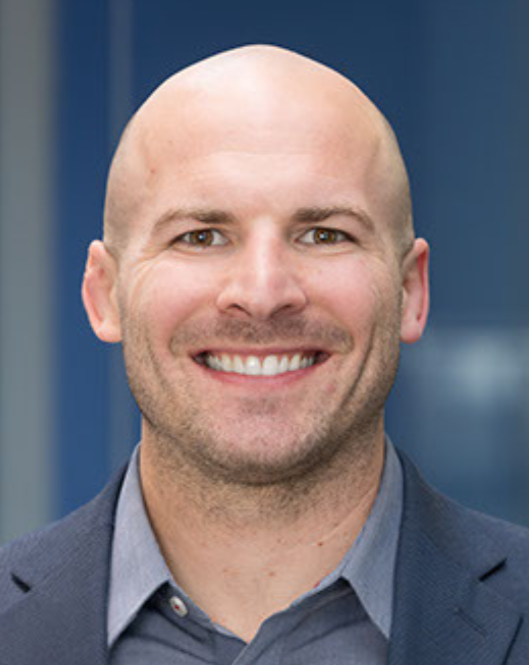
I am currently an Assistant Professor at the University of Colorado-Anschutz Medical Campus (CU AMC) in the Division of Endocrinology, Metabolism, and Diabetes. I hold an NIH Career Development Award (K01 HL145023) investigating the extent to which patterns and timing of behaviors (physical activity, food intake, and sleep) influence body weight regulation. To date, my career has focused on identifying and improving strategies to treat and prevent overweight and obesity by linking behavioral and bioenergetic outcomes. My NORC pilot project aligns with my career focus as it seeks to examine the effects of exercise timing on weight loss and components of energy balance (energy expenditure and energy intake). This pilot study stems from our prior findings that morning and evening exercise result in different amounts of weight loss. We hope that this preliminary work will lead to future clinical and mechanistic studies on how the timing of exercise affects energy intake, energy expenditure, sleep, and ultimately body weight regulation.
Dates of funding: 2020-2022
I am currently an Assistant Professor at the University of Colorado-Anschutz Medical Campus (CU AMC) in the Division of Endocrinology, Metabolism, and Diabetes. I hold an NIH Career Development Award (K01 HL145023) investigating the extent to which patterns and timing of behaviors (physical activity, food intake, and sleep) influence body weight regulation. To date, my career has focused on identifying and improving strategies to treat and prevent overweight and obesity by linking behavioral and bioenergetic outcomes. My NORC pilot project aligns with my career focus as it seeks to examine the effects of exercise timing on weight loss and components of energy balance (energy expenditure and energy intake). This pilot study stems from our prior findings that morning and evening exercise result in different amounts of weight loss. We hope that this preliminary work will lead to future clinical and mechanistic studies on how the timing of exercise affects energy intake, energy expenditure, sleep, and ultimately body weight regulation.
Dates of funding: 2020-2022
I am currently an Assistant Professor at the University of Colorado-Anschutz Medical Campus (CU AMC) in the Division of Endocrinology, Metabolism, and Diabetes. I hold an NIH Career Development Award (K01 HL145023) investigating the extent to which patterns and timing of behaviors (physical activity, food intake, and sleep) influence body weight regulation. To date, my career has focused on identifying and improving strategies to treat and prevent overweight and obesity by linking behavioral and bioenergetic outcomes. My NORC pilot project aligns with my career focus as it seeks to examine the effects of exercise timing on weight loss and components of energy balance (energy expenditure and energy intake). This pilot study stems from our prior findings that morning and evening exercise result in different amounts of weight loss. We hope that this preliminary work will lead to future clinical and mechanistic studies on how the timing of exercise affects energy intake, energy expenditure, sleep, and ultimately body weight regulation.
Dates of funding: 2020-2022
I am currently an Assistant Professor at the University of Colorado-Anschutz Medical Campus (CU AMC) in the Division of Endocrinology, Metabolism, and Diabetes. I hold an NIH Career Development Award (K01 HL145023) investigating the extent to which patterns and timing of behaviors (physical activity, food intake, and sleep) influence body weight regulation. To date, my career has focused on identifying and improving strategies to treat and prevent overweight and obesity by linking behavioral and bioenergetic outcomes. My NORC pilot project aligns with my career focus as it seeks to examine the effects of exercise timing on weight loss and components of energy balance (energy expenditure and energy intake). This pilot study stems from our prior findings that morning and evening exercise result in different amounts of weight loss. We hope that this preliminary work will lead to future clinical and mechanistic studies on how the timing of exercise affects energy intake, energy expenditure, sleep, and ultimately body weight regulation.
Dates of funding: 2020-2022
I am currently an Assistant Professor at the University of Colorado-Anschutz Medical Campus (CU AMC) in the Division of Endocrinology, Metabolism, and Diabetes. I hold an NIH Career Development Award (K01 HL145023) investigating the extent to which patterns and timing of behaviors (physical activity, food intake, and sleep) influence body weight regulation. To date, my career has focused on identifying and improving strategies to treat and prevent overweight and obesity by linking behavioral and bioenergetic outcomes. My NORC pilot project aligns with my career focus as it seeks to examine the effects of exercise timing on weight loss and components of energy balance (energy expenditure and energy intake). This pilot study stems from our prior findings that morning and evening exercise result in different amounts of weight loss. We hope that this preliminary work will lead to future clinical and mechanistic studies on how the timing of exercise affects energy intake, energy expenditure, sleep, and ultimately body weight regulation.
Dates of funding: 2020-2022
I am currently an Assistant Professor at the University of Colorado-Anschutz Medical Campus (CU AMC) in the Division of Endocrinology, Metabolism, and Diabetes. I hold an NIH Career Development Award (K01 HL145023) investigating the extent to which patterns and timing of behaviors (physical activity, food intake, and sleep) influence body weight regulation. To date, my career has focused on identifying and improving strategies to treat and prevent overweight and obesity by linking behavioral and bioenergetic outcomes. My NORC pilot project aligns with my career focus as it seeks to examine the effects of exercise timing on weight loss and components of energy balance (energy expenditure and energy intake). This pilot study stems from our prior findings that morning and evening exercise result in different amounts of weight loss. We hope that this preliminary work will lead to future clinical and mechanistic studies on how the timing of exercise affects energy intake, energy expenditure, sleep, and ultimately body weight regulation.
Dates of funding: 2020-2022
I am currently an Assistant Professor at the University of Colorado-Anschutz Medical Campus (CU AMC) in the Division of Endocrinology, Metabolism, and Diabetes. I hold an NIH Career Development Award (K01 HL145023) investigating the extent to which patterns and timing of behaviors (physical activity, food intake, and sleep) influence body weight regulation. To date, my career has focused on identifying and improving strategies to treat and prevent overweight and obesity by linking behavioral and bioenergetic outcomes. My NORC pilot project aligns with my career focus as it seeks to examine the effects of exercise timing on weight loss and components of energy balance (energy expenditure and energy intake). This pilot study stems from our prior findings that morning and evening exercise result in different amounts of weight loss. We hope that this preliminary work will lead to future clinical and mechanistic studies on how the timing of exercise affects energy intake, energy expenditure, sleep, and ultimately body weight regulation.
Dates of funding: 2020-2022
I am currently an Assistant Professor at the University of Colorado-Anschutz Medical Campus (CU AMC) in the Division of Endocrinology, Metabolism, and Diabetes. I hold an NIH Career Development Award (K01 HL145023) investigating the extent to which patterns and timing of behaviors (physical activity, food intake, and sleep) influence body weight regulation. To date, my career has focused on identifying and improving strategies to treat and prevent overweight and obesity by linking behavioral and bioenergetic outcomes. My NORC pilot project aligns with my career focus as it seeks to examine the effects of exercise timing on weight loss and components of energy balance (energy expenditure and energy intake). This pilot study stems from our prior findings that morning and evening exercise result in different amounts of weight loss. We hope that this preliminary work will lead to future clinical and mechanistic studies on how the timing of exercise affects energy intake, energy expenditure, sleep, and ultimately body weight regulation.
Dates of funding: 2020-2022
I am currently an Assistant Professor at the University of Colorado-Anschutz Medical Campus (CU AMC) in the Division of Endocrinology, Metabolism, and Diabetes. I hold an NIH Career Development Award (K01 HL145023) investigating the extent to which patterns and timing of behaviors (physical activity, food intake, and sleep) influence body weight regulation. To date, my career has focused on identifying and improving strategies to treat and prevent overweight and obesity by linking behavioral and bioenergetic outcomes. My NORC pilot project aligns with my career focus as it seeks to examine the effects of exercise timing on weight loss and components of energy balance (energy expenditure and energy intake). This pilot study stems from our prior findings that morning and evening exercise result in different amounts of weight loss. We hope that this preliminary work will lead to future clinical and mechanistic studies on how the timing of exercise affects energy intake, energy expenditure, sleep, and ultimately body weight regulation.
Dates of funding: 2020-2022
I am currently an Assistant Professor at the University of Colorado-Anschutz Medical Campus (CU AMC) in the Division of Endocrinology, Metabolism, and Diabetes. I hold an NIH Career Development Award (K01 HL145023) investigating the extent to which patterns and timing of behaviors (physical activity, food intake, and sleep) influence body weight regulation. To date, my career has focused on identifying and improving strategies to treat and prevent overweight and obesity by linking behavioral and bioenergetic outcomes. My NORC pilot project aligns with my career focus as it seeks to examine the effects of exercise timing on weight loss and components of energy balance (energy expenditure and energy intake). This pilot study stems from our prior findings that morning and evening exercise result in different amounts of weight loss. We hope that this preliminary work will lead to future clinical and mechanistic studies on how the timing of exercise affects energy intake, energy expenditure, sleep, and ultimately body weight regulation.
Dates of funding: 2020-2022
I am currently an Assistant Professor at the University of Colorado-Anschutz Medical Campus (CU AMC) in the Division of Endocrinology, Metabolism, and Diabetes. I hold an NIH Career Development Award (K01 HL145023) investigating the extent to which patterns and timing of behaviors (physical activity, food intake, and sleep) influence body weight regulation. To date, my career has focused on identifying and improving strategies to treat and prevent overweight and obesity by linking behavioral and bioenergetic outcomes. My NORC pilot project aligns with my career focus as it seeks to examine the effects of exercise timing on weight loss and components of energy balance (energy expenditure and energy intake). This pilot study stems from our prior findings that morning and evening exercise result in different amounts of weight loss. We hope that this preliminary work will lead to future clinical and mechanistic studies on how the timing of exercise affects energy intake, energy expenditure, sleep, and ultimately body weight regulation.
Dates of funding: 2020-2022
I am currently an Assistant Professor at the University of Colorado-Anschutz Medical Campus (CU AMC) in the Division of Endocrinology, Metabolism, and Diabetes. I hold an NIH Career Development Award (K01 HL145023) investigating the extent to which patterns and timing of behaviors (physical activity, food intake, and sleep) influence body weight regulation. To date, my career has focused on identifying and improving strategies to treat and prevent overweight and obesity by linking behavioral and bioenergetic outcomes. My NORC pilot project aligns with my career focus as it seeks to examine the effects of exercise timing on weight loss and components of energy balance (energy expenditure and energy intake). This pilot study stems from our prior findings that morning and evening exercise result in different amounts of weight loss. We hope that this preliminary work will lead to future clinical and mechanistic studies on how the timing of exercise affects energy intake, energy expenditure, sleep, and ultimately body weight regulation.