

Years of Funding 2024-2026
“Mechanisms of portal glucose sensing”
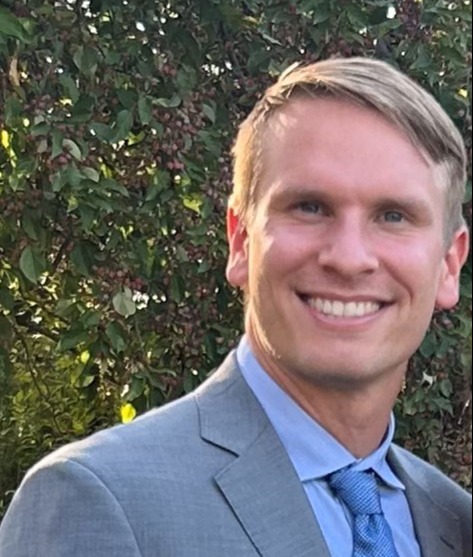
I am a postdoctoral fellow in the Pediatrics Department, Nutrition Division. My research goal is to understand how nutrient signals are detected and integrated into the brain to control energy balance and glucose homeostasis. I am currently funded through a T32 from the Pediatrics Nutrition Division, and I have also received a NIH/NIDDK F32 Fellowship investigating neuronal mechanisms associated with postbariatric hypoglycemia.
For my Colorado NORC pilot award, I am investigating how peripheral sensory neurons detect changes in blood glucose to maintain glucose homeostasis. Sensory neurons innervate the gastrointestinal tract and rapidly transmit nutrient signals to the brain before the nutrients even hit systemic circulation. In obesity, these sensory mechanisms likely become overwhelmed and contribute to the dysregulation of energy balance and glycemia. By understanding the mechanisms of neuronal glucose sensing, and how obesity disrupts these processes, I hope to identify new therapeutic targets for metabolic disease.
Years of Funding 2024-2026
“Mechanisms of portal glucose sensing”
I am a postdoctoral fellow in the Pediatrics Department, Nutrition Division. My research goal is to understand how nutrient signals are detected and integrated into the brain to control energy balance and glucose homeostasis. I am currently funded through a T32 from the Pediatrics Nutrition Division, and I have also received a NIH/NIDDK F32 Fellowship investigating neuronal mechanisms associated with postbariatric hypoglycemia.
For my Colorado NORC pilot award, I am investigating how peripheral sensory neurons detect changes in blood glucose to maintain glucose homeostasis. Sensory neurons innervate the gastrointestinal tract and rapidly transmit nutrient signals to the brain before the nutrients even hit systemic circulation. In obesity, these sensory mechanisms likely become overwhelmed and contribute to the dysregulation of energy balance and glycemia. By understanding the mechanisms of neuronal glucose sensing, and how obesity disrupts these processes, I hope to identify new therapeutic targets for metabolic disease.
Years of Funding 2024-2026
“Mechanisms of portal glucose sensing”
I am a postdoctoral fellow in the Pediatrics Department, Nutrition Division. My research goal is to understand how nutrient signals are detected and integrated into the brain to control energy balance and glucose homeostasis. I am currently funded through a T32 from the Pediatrics Nutrition Division, and I have also received a NIH/NIDDK F32 Fellowship investigating neuronal mechanisms associated with postbariatric hypoglycemia.
For my Colorado NORC pilot award, I am investigating how peripheral sensory neurons detect changes in blood glucose to maintain glucose homeostasis. Sensory neurons innervate the gastrointestinal tract and rapidly transmit nutrient signals to the brain before the nutrients even hit systemic circulation. In obesity, these sensory mechanisms likely become overwhelmed and contribute to the dysregulation of energy balance and glycemia. By understanding the mechanisms of neuronal glucose sensing, and how obesity disrupts these processes, I hope to identify new therapeutic targets for metabolic disease.
Years of Funding 2024-2026
“Mechanisms of portal glucose sensing”
I am a postdoctoral fellow in the Pediatrics Department, Nutrition Division. My research goal is to understand how nutrient signals are detected and integrated into the brain to control energy balance and glucose homeostasis. I am currently funded through a T32 from the Pediatrics Nutrition Division, and I have also received a NIH/NIDDK F32 Fellowship investigating neuronal mechanisms associated with postbariatric hypoglycemia.
For my Colorado NORC pilot award, I am investigating how peripheral sensory neurons detect changes in blood glucose to maintain glucose homeostasis. Sensory neurons innervate the gastrointestinal tract and rapidly transmit nutrient signals to the brain before the nutrients even hit systemic circulation. In obesity, these sensory mechanisms likely become overwhelmed and contribute to the dysregulation of energy balance and glycemia. By understanding the mechanisms of neuronal glucose sensing, and how obesity disrupts these processes, I hope to identify new therapeutic targets for metabolic disease.
Years of Funding 2024-2026
“Mechanisms of portal glucose sensing”
I am a postdoctoral fellow in the Pediatrics Department, Nutrition Division. My research goal is to understand how nutrient signals are detected and integrated into the brain to control energy balance and glucose homeostasis. I am currently funded through a T32 from the Pediatrics Nutrition Division, and I have also received a NIH/NIDDK F32 Fellowship investigating neuronal mechanisms associated with postbariatric hypoglycemia.
For my Colorado NORC pilot award, I am investigating how peripheral sensory neurons detect changes in blood glucose to maintain glucose homeostasis. Sensory neurons innervate the gastrointestinal tract and rapidly transmit nutrient signals to the brain before the nutrients even hit systemic circulation. In obesity, these sensory mechanisms likely become overwhelmed and contribute to the dysregulation of energy balance and glycemia. By understanding the mechanisms of neuronal glucose sensing, and how obesity disrupts these processes, I hope to identify new therapeutic targets for metabolic disease.
Years of Funding 2024-2026
“Mechanisms of portal glucose sensing”
I am a postdoctoral fellow in the Pediatrics Department, Nutrition Division. My research goal is to understand how nutrient signals are detected and integrated into the brain to control energy balance and glucose homeostasis. I am currently funded through a T32 from the Pediatrics Nutrition Division, and I have also received a NIH/NIDDK F32 Fellowship investigating neuronal mechanisms associated with postbariatric hypoglycemia.
For my Colorado NORC pilot award, I am investigating how peripheral sensory neurons detect changes in blood glucose to maintain glucose homeostasis. Sensory neurons innervate the gastrointestinal tract and rapidly transmit nutrient signals to the brain before the nutrients even hit systemic circulation. In obesity, these sensory mechanisms likely become overwhelmed and contribute to the dysregulation of energy balance and glycemia. By understanding the mechanisms of neuronal glucose sensing, and how obesity disrupts these processes, I hope to identify new therapeutic targets for metabolic disease.
Years of Funding 2024-2026
“Mechanisms of portal glucose sensing”
I am a postdoctoral fellow in the Pediatrics Department, Nutrition Division. My research goal is to understand how nutrient signals are detected and integrated into the brain to control energy balance and glucose homeostasis. I am currently funded through a T32 from the Pediatrics Nutrition Division, and I have also received a NIH/NIDDK F32 Fellowship investigating neuronal mechanisms associated with postbariatric hypoglycemia.
For my Colorado NORC pilot award, I am investigating how peripheral sensory neurons detect changes in blood glucose to maintain glucose homeostasis. Sensory neurons innervate the gastrointestinal tract and rapidly transmit nutrient signals to the brain before the nutrients even hit systemic circulation. In obesity, these sensory mechanisms likely become overwhelmed and contribute to the dysregulation of energy balance and glycemia. By understanding the mechanisms of neuronal glucose sensing, and how obesity disrupts these processes, I hope to identify new therapeutic targets for metabolic disease.
Years of Funding 2024-2026
“Mechanisms of portal glucose sensing”
I am a postdoctoral fellow in the Pediatrics Department, Nutrition Division. My research goal is to understand how nutrient signals are detected and integrated into the brain to control energy balance and glucose homeostasis. I am currently funded through a T32 from the Pediatrics Nutrition Division, and I have also received a NIH/NIDDK F32 Fellowship investigating neuronal mechanisms associated with postbariatric hypoglycemia.
For my Colorado NORC pilot award, I am investigating how peripheral sensory neurons detect changes in blood glucose to maintain glucose homeostasis. Sensory neurons innervate the gastrointestinal tract and rapidly transmit nutrient signals to the brain before the nutrients even hit systemic circulation. In obesity, these sensory mechanisms likely become overwhelmed and contribute to the dysregulation of energy balance and glycemia. By understanding the mechanisms of neuronal glucose sensing, and how obesity disrupts these processes, I hope to identify new therapeutic targets for metabolic disease.
Years of Funding 2024-2026
“Mechanisms of portal glucose sensing”
I am a postdoctoral fellow in the Pediatrics Department, Nutrition Division. My research goal is to understand how nutrient signals are detected and integrated into the brain to control energy balance and glucose homeostasis. I am currently funded through a T32 from the Pediatrics Nutrition Division, and I have also received a NIH/NIDDK F32 Fellowship investigating neuronal mechanisms associated with postbariatric hypoglycemia.
For my Colorado NORC pilot award, I am investigating how peripheral sensory neurons detect changes in blood glucose to maintain glucose homeostasis. Sensory neurons innervate the gastrointestinal tract and rapidly transmit nutrient signals to the brain before the nutrients even hit systemic circulation. In obesity, these sensory mechanisms likely become overwhelmed and contribute to the dysregulation of energy balance and glycemia. By understanding the mechanisms of neuronal glucose sensing, and how obesity disrupts these processes, I hope to identify new therapeutic targets for metabolic disease.
Years of Funding 2024-2026
“Mechanisms of portal glucose sensing”
I am a postdoctoral fellow in the Pediatrics Department, Nutrition Division. My research goal is to understand how nutrient signals are detected and integrated into the brain to control energy balance and glucose homeostasis. I am currently funded through a T32 from the Pediatrics Nutrition Division, and I have also received a NIH/NIDDK F32 Fellowship investigating neuronal mechanisms associated with postbariatric hypoglycemia.
For my Colorado NORC pilot award, I am investigating how peripheral sensory neurons detect changes in blood glucose to maintain glucose homeostasis. Sensory neurons innervate the gastrointestinal tract and rapidly transmit nutrient signals to the brain before the nutrients even hit systemic circulation. In obesity, these sensory mechanisms likely become overwhelmed and contribute to the dysregulation of energy balance and glycemia. By understanding the mechanisms of neuronal glucose sensing, and how obesity disrupts these processes, I hope to identify new therapeutic targets for metabolic disease.
Years of Funding 2024-2026
“Mechanisms of portal glucose sensing”
I am a postdoctoral fellow in the Pediatrics Department, Nutrition Division. My research goal is to understand how nutrient signals are detected and integrated into the brain to control energy balance and glucose homeostasis. I am currently funded through a T32 from the Pediatrics Nutrition Division, and I have also received a NIH/NIDDK F32 Fellowship investigating neuronal mechanisms associated with postbariatric hypoglycemia.
For my Colorado NORC pilot award, I am investigating how peripheral sensory neurons detect changes in blood glucose to maintain glucose homeostasis. Sensory neurons innervate the gastrointestinal tract and rapidly transmit nutrient signals to the brain before the nutrients even hit systemic circulation. In obesity, these sensory mechanisms likely become overwhelmed and contribute to the dysregulation of energy balance and glycemia. By understanding the mechanisms of neuronal glucose sensing, and how obesity disrupts these processes, I hope to identify new therapeutic targets for metabolic disease.
Years of Funding 2024-2026
“Mechanisms of portal glucose sensing”
I am a postdoctoral fellow in the Pediatrics Department, Nutrition Division. My research goal is to understand how nutrient signals are detected and integrated into the brain to control energy balance and glucose homeostasis. I am currently funded through a T32 from the Pediatrics Nutrition Division, and I have also received a NIH/NIDDK F32 Fellowship investigating neuronal mechanisms associated with postbariatric hypoglycemia.
For my Colorado NORC pilot award, I am investigating how peripheral sensory neurons detect changes in blood glucose to maintain glucose homeostasis. Sensory neurons innervate the gastrointestinal tract and rapidly transmit nutrient signals to the brain before the nutrients even hit systemic circulation. In obesity, these sensory mechanisms likely become overwhelmed and contribute to the dysregulation of energy balance and glycemia. By understanding the mechanisms of neuronal glucose sensing, and how obesity disrupts these processes, I hope to identify new therapeutic targets for metabolic disease.