

Economic analyses are designed to inform decision-making by providing evidence on economic feasibility and sustainability and supporting dissemination of results to organizational leaders, policymakers, and other decision makers.
What is costing and economic analysis?
At its most basic level, economic analyses are designed to inform decision-making by providing information on the cost of developing, implementation, and sustaining any intervention or program. Like many things, cost analyses range from informal ("back of the envelope" estimates) to rigorous (PhD economics-driven cost effectiveness analysis). The level of cost analysis depends on the goals and needs of the project.
Why is this step important?
When considering a new intervention, one of the most important factors for decision-makers is the costs of starting and doing the program (adoption and implementation) and sustaining the program (maintenance).
What costs should be included?
Activities drive costs: Staff time is the main expense; include engagement, implementation, labor, technology, and interventions.
Costs can be predicted: Process mapping clarifies who does what and identifies key activities.
Exclude research-only costs: Remove expenses that won’t occur outside the study.

| Common Pitfalls | Actions to Avoid Them |
| Not engaging an expert when pursuing more complicated analyses or when publishing. | Connect with an economist when approaching complex analyses or publishing. |
| Failing to think about costs and your economic evaluation early and often. | Plan for costing from the outset. |
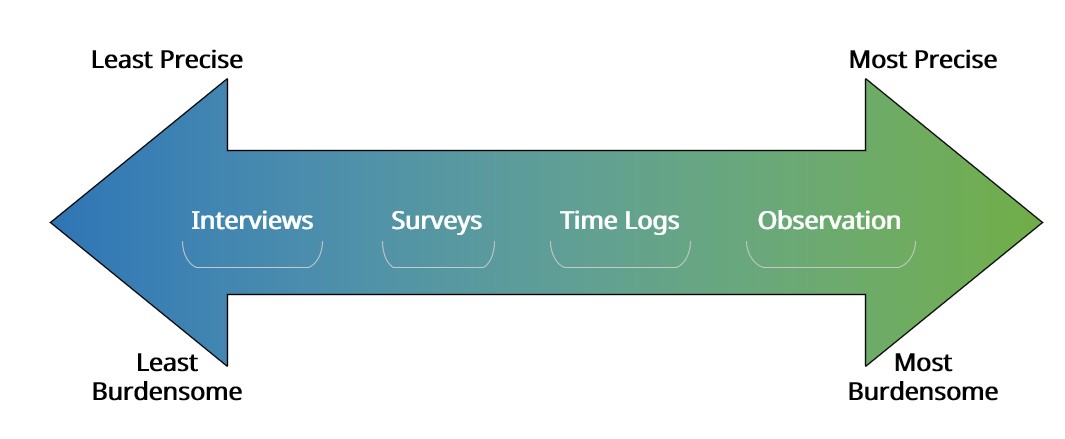
| Using a burdensome or impractical data collection method. | Look for existing data collection templates to modify and consider staff burden to track. |