

Loading items....
Media Kit
Welcome to the Media Kit for the Department of Biomedical Informatics at CU Anschutz.
At the forefront of innovation in health AI, genomics, and clinical informatics, our department is transforming the future of healthcare through cutting-edge research, interdisciplinary collaboration, and real-world impact. This media kit is designed to provide journalists, partners, and the public with quick access to essential information, expert contacts, and compelling stories that showcase how our work is shaping precision medicine and improving lives.
About the Department
Leadership
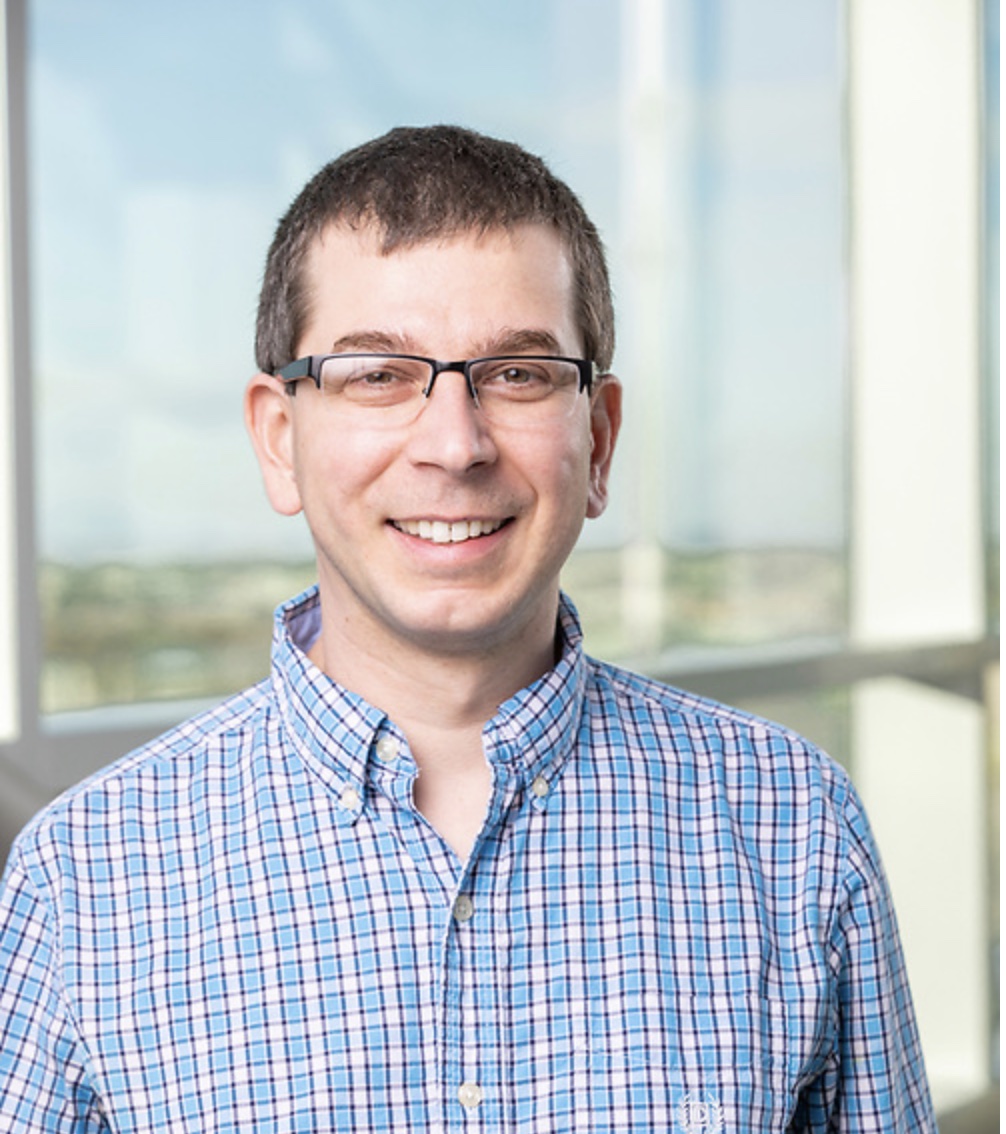
Casey Greene, PhD
Chair and Professor
Department of Biomedical Informatics
Casey Greene founded the Department of Biomedical Informatics and the Center for Health AI at CU Anschutz in July 2022. Under his leadership, the department has rapidly grown into a national leader in applying artificial intelligence to healthcare. Drawing talent from around the world, the team develops cutting-edge models and methods that are transforming clinical practice and improving patient outcomes. With extensive experience in AI and a deep commitment to advancing biomedical research, Casey continues to drive innovation at the intersection of data science and medicine.
Key Focus Areas
Artificial Intelligence
Our researchers develop AI-driven tools that enhance diagnostics, predict patient outcomes, and support clinical decision-making. By combining machine learning with clinical expertise, we’re improving care delivery, reducing disparities, and shaping the future of healthcare.
Informatics
Our clinical informatics experts design and implement systems that connect electronic health records (EHRs) with real-time decision support tools. By improving how data is captured, integrated, and used, we help clinicians make faster, more informed decisions and drive innovations in patient care.
Genomics & Omics
Our researchers integrate genomic, proteomic, metabolomic, and other omics data to uncover the biological mechanisms behind disease. By combining large-scale molecular data with clinical insights, we’re advancing early detection, targeted therapies, and a deeper understanding of human health.
Newsroom
.jpg?sfvrsn=28403db4_0 "Gao Lab")
Research and Highlights
Featured Breakthroughs
AI-Powered Early Warning System
Nurses often sense when something is wrong, sometimes before any data confirms it. The CONCERN Early Warning System, developed by researchers nationwide, including experts at CU Anschutz, uses artificial intelligence to turn those subtle shifts in nursing behavior into early warning signals. By combining frontline intuition with machine learning, the system can detect signs of patient deterioration up to 42 hours earlier than traditional methods. This innovative approach is helping hospitals respond faster and save more lives.
New Global Standard for Diagnosing Pediatric Sepsis
Each year, pediatric sepsis claims the lives of over 3 million children worldwide, especially in lower-resource settings. An international team has developed the first updated diagnostic criteria in 20 years, using global data and modern tools to better detect life-threatening organ dysfunction in children. The new “Phoenix” criteria aims to improve research accuracy and bring faster, more reliable diagnosis to the bedside.
Mapping Complex Genetic Variation in Nearly Complete Human Genomes
Some parts of the human genome have been hard to study because earlier versions were missing key pieces. By sequencing 65 people from diverse backgrounds, scientists filled in 92% of those gaps, including areas linked to important health conditions. This makes it easier to find genetic differences and could lead to more personalized approaches to medicine.
AI Meets ICU: Predicting Drug Reactions Before They Strike
Each year, 1.5 million ICU patients face potentially deadly adverse drug events (ADEs). A new fusion of clinical expertise and AI could change that. At CU Anschutz, Andrea Sikora is developing AI tools that predict ADEs before they happen. With CCPs already reducing ADEs by 70%, Sikora’s work could revolutionize how hospitals protect their most vulnerable patients.
Media Resources
Boilerplate Language
About DBMI: The Department of Biomedical Informatics (DBMI) CU Anschutz is a dynamic academic home for a diverse community of scientists, clinicians, and innovators. DBMI harnesses the power of data science, artificial intelligence, and genomics to accelerate the translation of basic science into precision therapies and personalized care. With a mission to advance biomedicine and improve healthcare through ethical, data-driven discovery, DBMI is at the forefront of developing cutting-edge methods and applications that bring data to the bedside, empowering providers with the insights they need to deliver the right care to the right patient at the right time.
About CU Anschutz: The University of Colorado Anschutz is a world-class medical destination at the forefront of transformative science, medicine, education and patient care. The campus encompasses the University of Colorado health professional schools, more than 60 centers and institutes, and two nationally ranked independent hospitals - UCHealth University of Colorado Hospital and Children's Hospital Colorado - which see more than 2 million adult and pediatric patient visits yearly. Innovative, interconnected and highly collaborative, the University of Colorado Anschutz delivers life-changing treatments, patient care and professional training and conducts world-renowned research.
CMS Login