

Consider the Computational Bioscience PhD for training in machine learning, predictive analytics, and clinical decision support.
Explore HMGGP (PhD) and the Personalized & Genomic Medicine Certificate.
The Cell Biology, Immunology, or Microbiology PhD programs pair experimental training with informatics‑oriented mentors.
DBMI supports trainees across 10+ CU System programs, pairing computational science, genomics, clinical care, and systems biology to deliver hands‑on, mentored research experiences.
Faculty and trainees are recognized nationally for biomedical informatics, AI in healthcare, clinical informatics, population genetics, and more—driving measurable impact in health systems.
Strong NIH‑funding, clinical partnerships, and translational projects connect classroom learning and coursework to patient care and health-system decision‑making.
Use this table to match your interests (AI, genomics, clinical data) with the right degree path.
| Program Name | Degree Type | Primary Scientific Focus | Example Faculty |
|---|---|---|---|
| Computational Bioscience | PhD | AI/ML, computational medicine, scientific software | Albers, Bennett, Greene, Krishnan, Lozupone |
| Human Medical Genetics & Genomics | PhD | Computational genomics, precision medicine | Claw, Cole, Dashnow, Gignoux, Greene |
| Cell Biology, Stem Cells & Development | PhD | Data‑driven mechanistic & developmental biology | Way |
| Immunology | PhD | Immunogenomics, host–pathogen, cancer immunity | Norman, Ravi, Zhang |
| Microbiology | PhD | Microbial genomics & infectious disease | Lozupone, Ravi |
| Personalized & Genomic Medicine | Graduate Certificate | Genomic data interpretation | (various) |
| Applied Mathematics (CU Boulder) | PhD/MS | Quantitative methods, interdisciplinary collab | Dwork |
| IQ Biology (CU Boulder) | PhD track | Cross‑disciplinary rotations & projects | Cole, Gignoux, Lozupone, Stanislawski |
| Bioengineering (CU Denver) | PhD/MS | Translational engineering on clinical campus | Bennett, Albers, Sirlanci, Greene |
| Epidemiology (CSU-PH) | PhD/MS | Population health data & prediction | Johnson, Lange, Yang |
| Biostatistics (CSU-PH) | PhD/MS | Study design & advanced analytics | (various) |
The Department of Biomedical Informatic's research enterprise and partnerships enable trainees to apply data science to real‑world problems in health systems—spanning EHR data, clinical decision support, population genetics, and multi‑omics analyses, with growing NIH‑funded projects and clinical collaborations that translate directly to patient care.
See what our community is building: Explore the DBMI Newsroom and the Wall of Software for open‑source tools and translational projects.
As a student in the Human Medical Genetics and Genomics PhD Program, I improved and developed skills in statistical programming and software development, statistical method development, project management, mentoring, scientific writing and presentation, and data visualization.
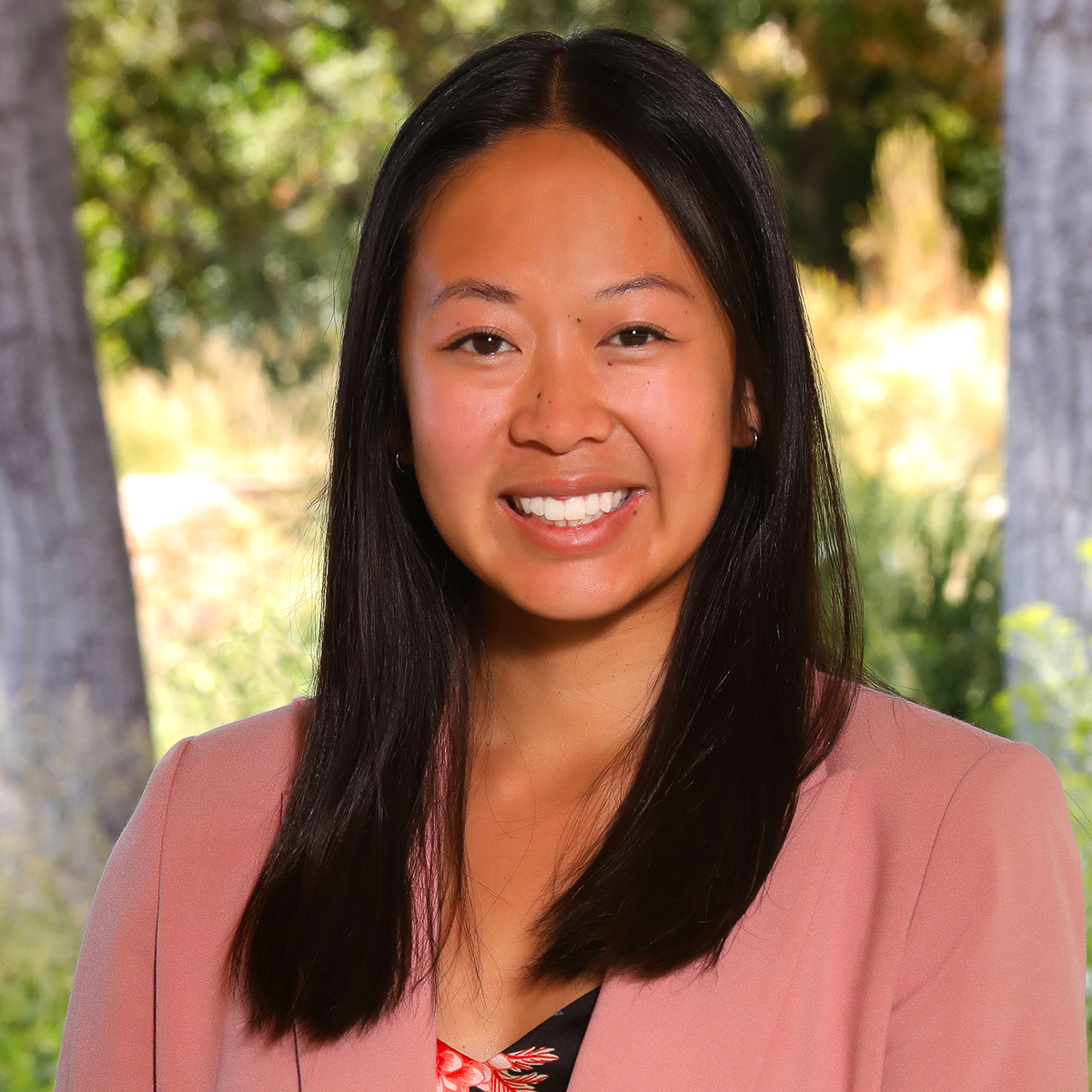
Hayley Wolf, PhD
Graduates of biomedical informatics graduate programs work at the intersection of healthcare, data science, and biomedical research. A biomedical informatics PhD or related graduate degree prepares students to analyze complex health data, develop computational tools, and apply artificial intelligence and machine learning to real-world medical problems.
Professionals in biomedical informatics lead innovation across academic medicine, healthcare systems, biotechnology companies, and technology organizations. Many graduates work on projects that improve clinical decision-making, accelerate biomedical discovery, and support precision medicine initiatives.
Graduates from biomedical informatics PhD and related programs commonly pursue roles in:
These careers allow scientists, engineers, and clinicians to apply computational methods to some of the most important challenges in healthcare, from population health modeling to AI-driven clinical decision support.
Clinical informaticians design and improve systems used in healthcare settings, including electronic health records, clinical decision support tools, and hospital data platforms.
Biomedical data scientists analyze large clinical and research datasets using statistical methods, machine learning, and advanced analytics to identify patterns that improve patient outcomes and healthcare delivery.
Bioinformatics researchers develop algorithms and analytical pipelines to interpret genomic, transcriptomic, and other molecular datasets used in precision medicine and biomedical discovery.
Data engineers and research software developers build scalable data infrastructure, research platforms, and cloud-based tools that enable large-scale biomedical analytics.
Identify Your Academic Interests: Explore program pathways, meet faculty, and review active research areas.
Select the Right Pathway: Compare PhD, master’s, and certificate options across CU Anschutz and partner campuses.
Connect With Admissions: Visit each program’s page for requirements and personalized guidance.
Start Your Application: Take the first step toward advancing your education and career.