

About Us
The Story of the CU Anschutz Department of Biomedical Informatics
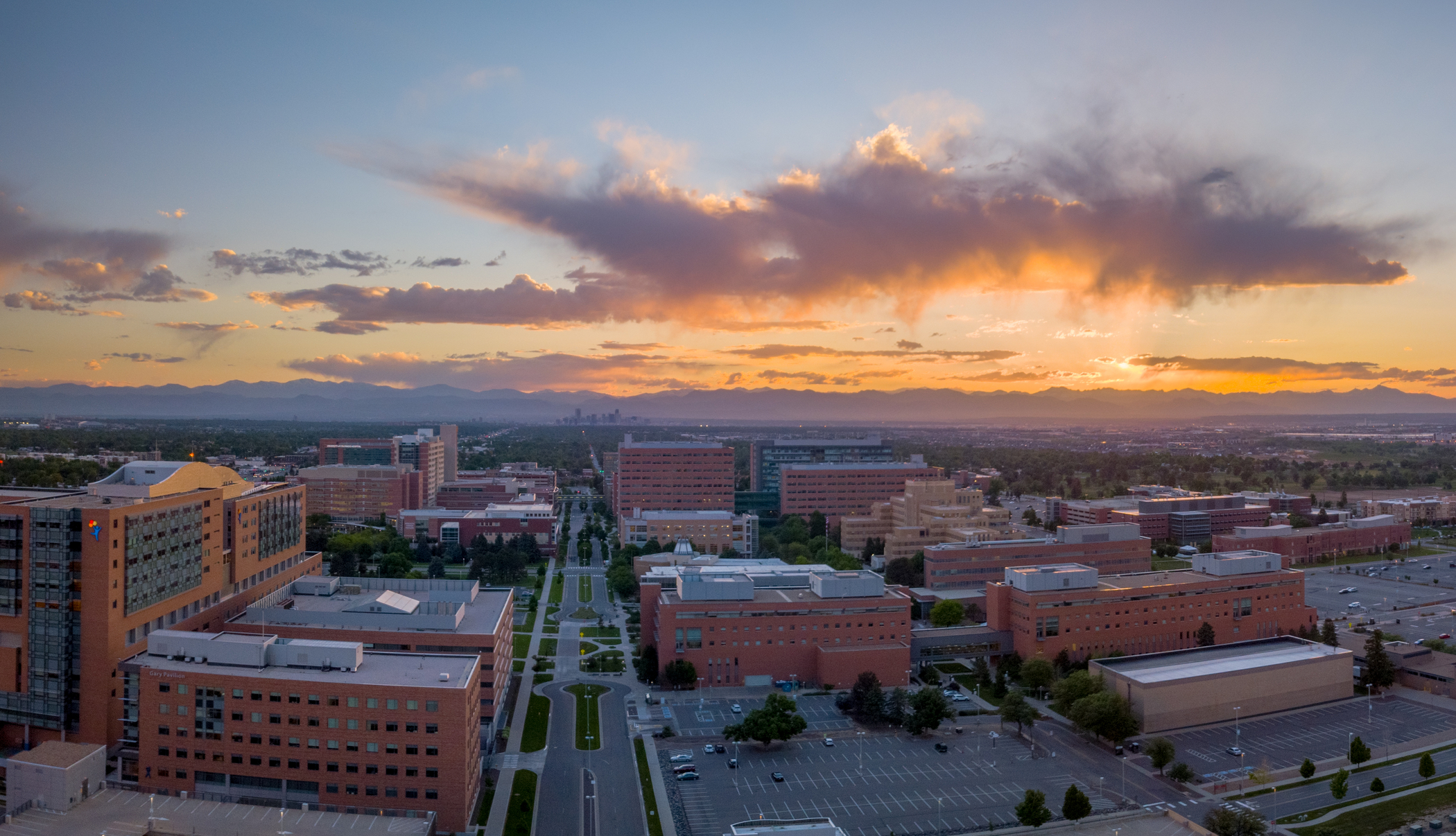

Our Story
The Department of Biomedical Informatics (DBMI) at the University of Colorado Anschutz (CU Anschutz) was founded with a clear mission: to advance biomedicine and improve healthcare through insightful and ethical data-driven discovery and the creation of innovative methods and applications.
We started small in July 2022, with just 75 employees. Over the past few years, DBMI has grown, reaching over 200 employees across faculty, staff, students, and trainees.
Our faculty include elected Fellows of leading professional societies such as the American Medical Informatics Association and leaders of high-impact scientific initiatives. Several are clinician‑scientists who also provide patient care.
Our vision is to develop new methods and applications of computational technology, integrate computational methods with laboratory investigations, and translate findings into patient care.
Our Research
Our research spans diverse fields of biomedical research with one core emphasis: delivering data-driven care at the bedside.
Our primary areas of research center on four key pillars:
Artificial Intelligence
Artificial Intelligence (AI) is a field of computer science and mathematics that trains machines to learn, reason, and problem-solve. At DBMI, our researchers explore how AI can support a variety of areas in biomedical informatics, ranging from improving data analysis to supporting clinical diagnostics.
Omics & Systems Biology
Omics & Systems Biology encompasses research across large-scale biological compendia, including DNA, RNA, proteins, microbiota, and more. DBMI researchers investigate how to best gather, store, represent, analyze, and interpret these data to support scientific discovery.
Population Genetics
Population genetics is a field in biology that examines genetic variation within and across populations. Population genetics helps researchers better understand risk and treatment for various populations.
Clinical Informatics
Clinical Informatics is a field of study and practice that integrates computer science, information technology, and healthcare data to improve clinical workflow, patient care, and healthcare outcomes while ensuring safety and reliability.
Why Biomedical Informatics? Delivering Data-Driven Care at the Bedside
At DBMI, we consistently aim to bridge biomedical research and clinical practice. We seek to ensure that every study, finding, and innovation can advance scientific discovery and benefit patients, clinicians, researchers, and other stakeholders in the healthcare system.
With technological and medical advancements accelerating at an exponential rate, it’s essential to ensure these systems can be safely integrated into healthcare to improve patient care. This is why, at DBMI, we consistently refer back to the idea of delivering data-driven care at the bedside.
Leadership
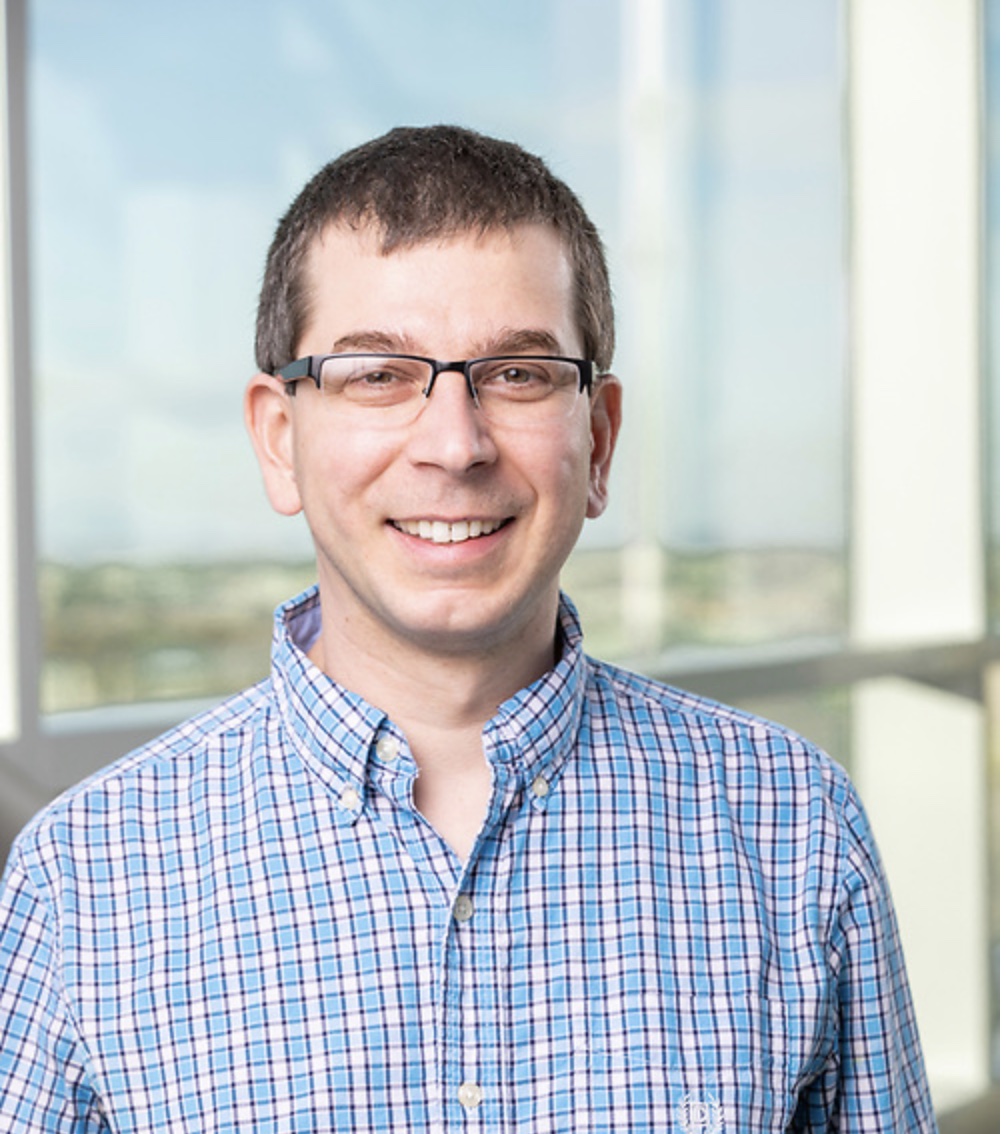
Casey Greene, PhD
Marsico Chair in Excellence in Biomedical Information Technology
Department Chair and Professor, Department of Biomedical Informatics
University of Colorado Anschutz School of Medicine

Tell Bennett, MD
Professor, Biomedical Informatics
Vice Chair, Department of Biomedical Informatics
University of Colorado Anschutz School of Medicine
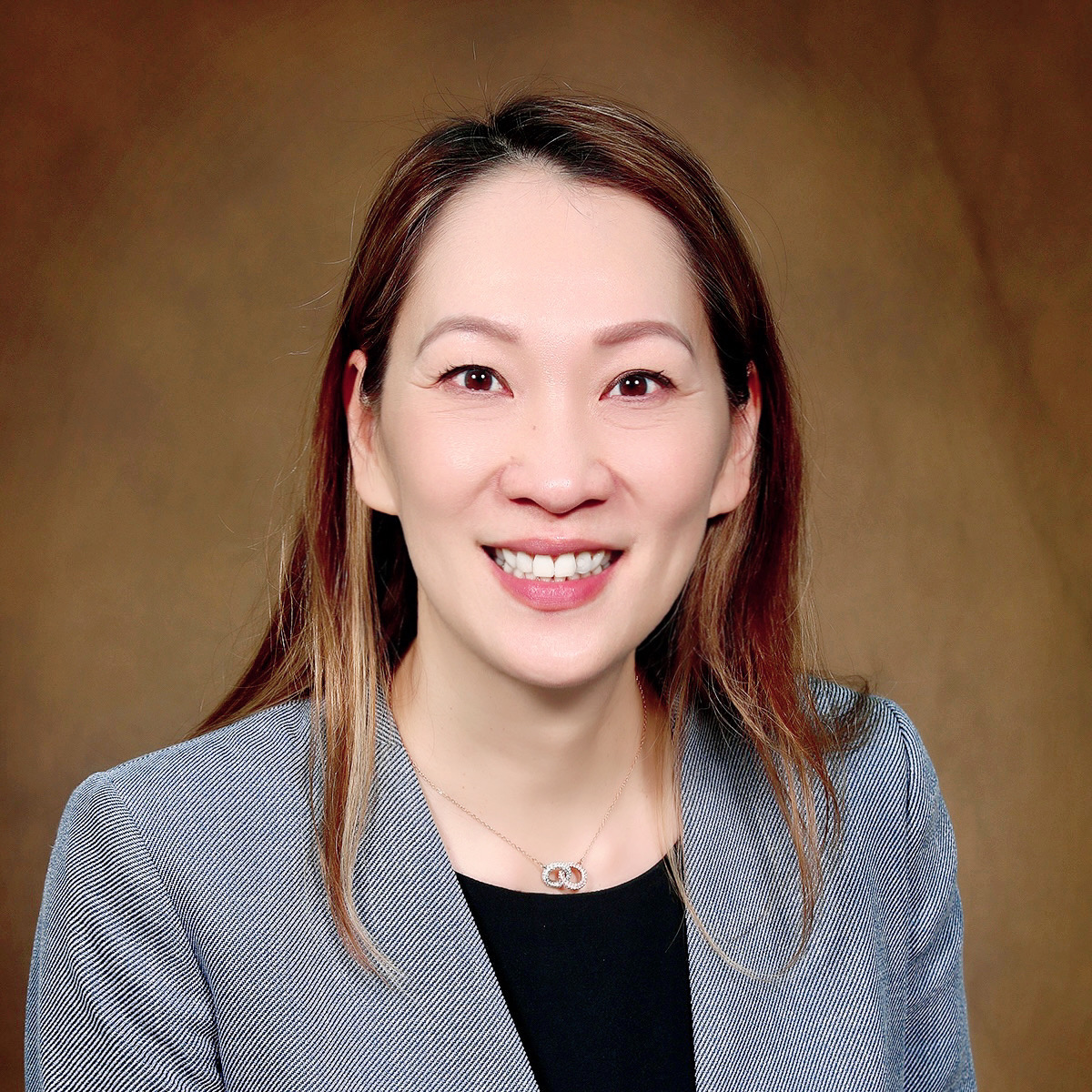
Audrey Wen
Director of Finance and Administration, Department of Biomedical Informatics
University of Colorado Anschutz School of Medicine
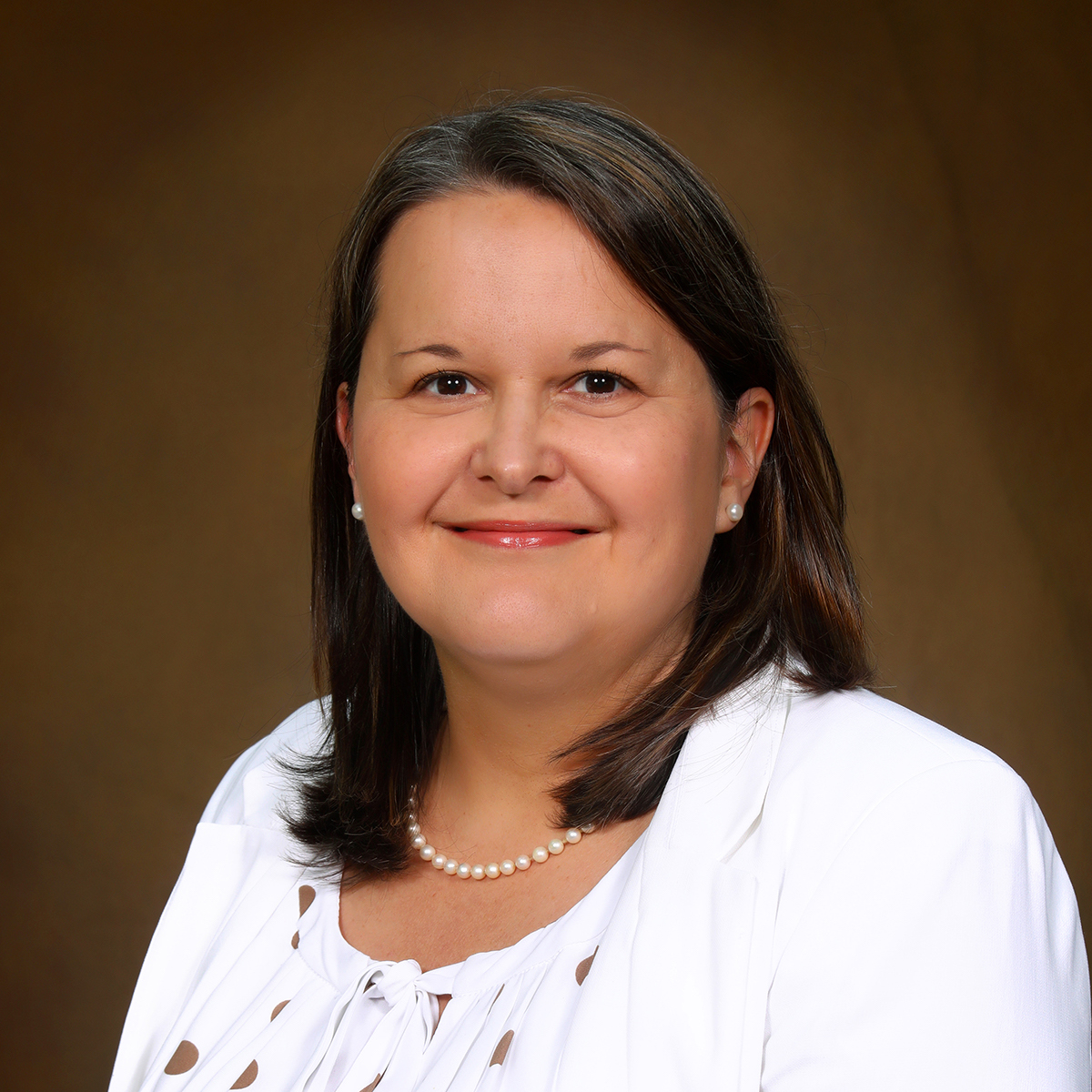
Ivana Yang, PhD
Professor, Biomedical Informatics, Medicine, and Epidemiology
Vice Chair for Faculty Affairs, Department of Biomedical Informatics
University of Colorado Anschutz School of Medicine
Our Faculty
DBMI is unique in that our faculty have diverse clinical and research backgrounds.
Collectively, our faculty bring expertise across genomics, computational biology, translational bioinformatics, personalized medicine, clinical research informatics, and clinical informatics. Their work leverages artificial intelligence (AI), machine learning (ML), cloud computing, ontologies, and knowledge engineering to address complex biomedical challenges.
Our faculty collaborate across a broad range of clinical and translational research areas, including cancer, neuroscience, cardiovascular disease, diabetes and endocrinology, women's health, musculoskeletal health, transplantation, and AI for education. This breadth of expertise enables innovative, data-driven approaches to improving patient care, advancing biomedical discovery, and transforming healthcare.
Meet Our Faculty Here
Our Software and Technology
Our department specializes in data- and technology-driven innovation and discovery. Through this process, we cultivate numerous technologies and software tools that support biomedical research and practice. Not only do we leverage cutting-edge technology within the walls of our department, but our researchers often make these packages, software tools, workflows, and resources available and/or open-source to support other researchers and clinicians. Many of these tools are compiled on the Department of Biomedical Informatics Wall of Software, which is regularly updated. To learn more about the Wall of Software, check out our ongoing series spotlighting the DBMI Wall of Software.
Our Funding
DBMI investigators hold funded awards from federal agencies (including NIH and DOJ), foundations, and internal CU Anschutz programs. These awards span research grants, fellowships, training grants, and collaborative initiatives. This funding enables our teams to connect and advance complementary aspects of the CU Anschutz clinical and research enterprise to generate new knowledge and improve healthcare.
As of March 2026, our team is working across 74 active projects with $41.4M in external grant funding.
Our Accomplishments
Since our launch in 2022, our faculty and researchers have made extensive contributions to the field, earning significant accomplishments. Here are some examples from the past few years:
DBMI faculty maintain strong records of peer‑reviewed publications, technology development, and teaching excellence. The department is committed to fostering a collaborative, inclusive, and supportive environment through thoughtful recruitment and ongoing investment in faculty, staff, leaders, and students.
Want to learn more about DBMI and what we have to offer?
Click on any of the buttons below for more information: