

Lab Research
Our faculty strive to discover the molecular and cellular basis of diseases affecting the skin. This new knowledge is applied to the prevention, diagnosis, and treatment of these diseases. Research activities include investigating the molecular biology and immunology of the skin, dermato-epidemiology, genetic determinants of skin diseases including skin cancer, and development of gene therapy approaches. Read more about our faculty labs and their latest publications in the categories below.
The scope of skin disease related research at the University of Colorado is embodied in the University of Colorado Anschutz Medical Center Skin Diseases Research Center (UCAMC-SDRC). This NIAMS-funded center focuses on organizing and supporting research to better understand the molecular basis of human autoimmune, inflammatory, developmental, metabolic, and genetic skin diseases. The broad goal of this SDRC is to help member investigators develop models of human skin diseases as research platforms to study molecular mechanisms of disease. This provides us with the opportunity to develop innovative molecular approaches to correct disease processes and explore new treatment approaches.
This center includes a multitude of investigators, many from within the Department of Dermatology along with partnerships from other UCAMC Departments or outside collaborators. The research interests of these investigators are broad: inflammation and immunity; epithelial biology; melanocyte biology; regenerative medicine and stem cell biology; molecular, cellular, and developmental biology; biochemistry; pharmacology; microbiology and virology; genetics and genomics; tissue repair; cutaneous carcinogenesis; and clinical research. This is a rich platform for interdisciplinary discovery in basic and translational research.
This center is built on the strong foundation of three collaborative research teams within the Anschutz Medical Campus, all headed by scientists with an established record of NIAMS-funded research: The Department of Dermatology, the Center for Regenerative Medicine and Stem Cell Biology, and the Human Medical Genetics Program. There are also strong collaborations with other centers on the AMC, especially the NCI-funded University of Colorado Comprehensive Cancer Center.
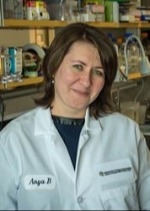
Director of Research Core
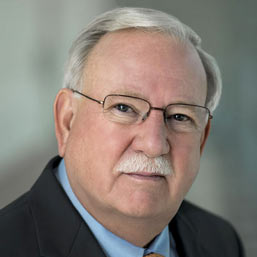
Associate Director of Gates Institute
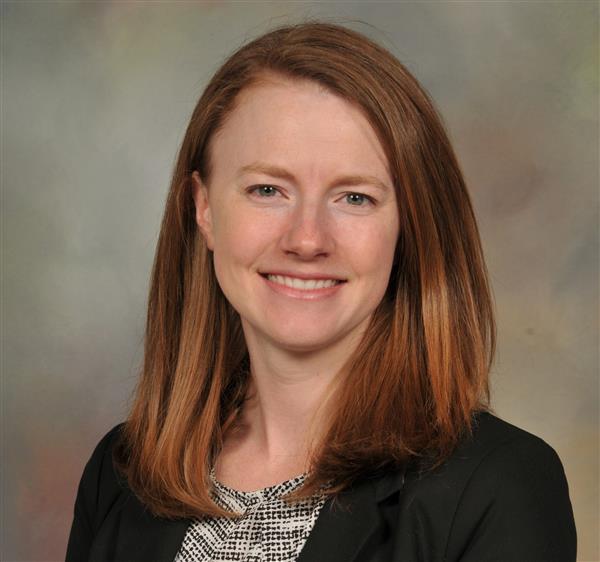
Director of Clinical Research
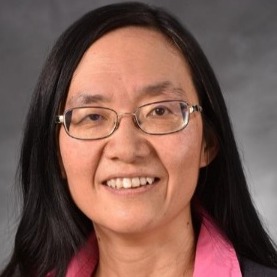
Director of Research Mentoring
https://shellmanlab.github.io/
The Gates Institute team is a collaborative group representing a variety of disciplines, dedicated to advancing research in stem cell biology and regenerative medicine to accelerate discoveries from concepts to cures. Dermatology professor Dennis Roop, Ph.D., is the associate director of Gates Institute at the University of Colorado Anschutz Medical Campus. Dermatology faculty members Dr. Anya Bilousova, Dr. Igor Kogut, Dr. Xiying Fan, and Dr. Yiqun Shellman are also Gates Institute Research Members.
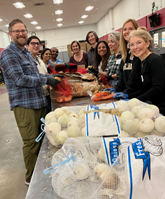
In a time when many vulnerable members of our community face uncertainty, the University of Colorado Department of Dermatology demonstrated its commitment to service and compassion by volunteering at Food Bank of the Rockies.
On October 20th 2025, faculty, staff, and trainees came together to support families in need. Their efforts resulted in the packaging of 765 five-pound bags of fresh vegetables—a total of 3,825 pounds of produce, which translates into approximately 3,188 wholesome meals for households across Colorado.
“This initiative reflects our shared values as members of a larger community,” said Dr. Maryam Asgari, Professor and Chair of the Department of Dermatology. “It’s moments like these that remind us of the power of collective action and the positive impact we can have when we work together.”
Food Bank of the Rockies is the largest hunger-relief organization in the region, serving hundreds of thousands of people annually. By partnering with organizations like CU Dermatology, they continue to provide nutritious food to families who need it most.
The department plans to explore additional opportunities to give back, reinforcing its commitment to service beyond medicine.