

Lab Research
Our faculty strive to discover the molecular and cellular basis of diseases affecting the skin. This new knowledge is applied to the prevention, diagnosis, and treatment of these diseases. Research activities include investigating the molecular biology and immunology of the skin, dermato-epidemiology, genetic determinants of skin diseases including skin cancer, and development of gene therapy approaches. Read more about our faculty labs and their latest publications in the categories below.
The scope of skin disease related research at the University of Colorado is embodied in the University of Colorado Anschutz Medical Center Skin Diseases Research Center (UCAMC-SDRC). This NIAMS-funded center focuses on organizing and supporting research to better understand the molecular basis of human autoimmune, inflammatory, developmental, metabolic, and genetic skin diseases. The broad goal of this SDRC is to help member investigators develop models of human skin diseases as research platforms to study molecular mechanisms of disease. This provides us with the opportunity to develop innovative molecular approaches to correct disease processes and explore new treatment approaches.
This center includes a multitude of investigators, many from within the Department of Dermatology along with partnerships from other UCAMC Departments or outside collaborators. The research interests of these investigators are broad: inflammation and immunity; epithelial biology; melanocyte biology; regenerative medicine and stem cell biology; molecular, cellular, and developmental biology; biochemistry; pharmacology; microbiology and virology; genetics and genomics; tissue repair; cutaneous carcinogenesis; and clinical research. This is a rich platform for interdisciplinary discovery in basic and translational research.
This center is built on the strong foundation of three collaborative research teams within the Anschutz Medical Campus, all headed by scientists with an established record of NIAMS-funded research: The Department of Dermatology, the Center for Regenerative Medicine and Stem Cell Biology, and the Human Medical Genetics Program. There are also strong collaborations with other centers on the AMC, especially the NCI-funded University of Colorado Comprehensive Cancer Center.
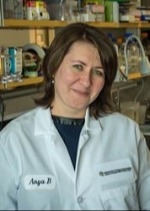
Director of Research Core
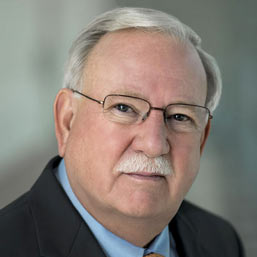
Associate Director of Gates Institute
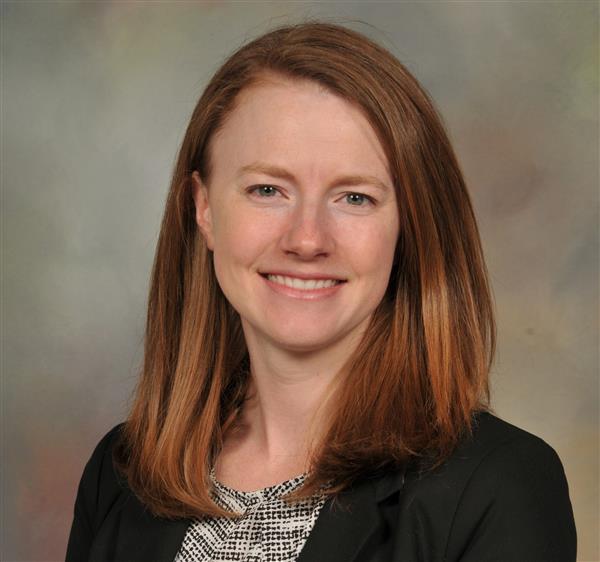
Director of Clinical Research
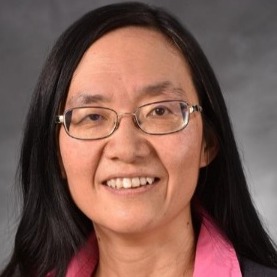
Director of Research Mentoring
https://shellmanlab.github.io/
The Gates Institute team is a collaborative group representing a variety of disciplines, dedicated to advancing research in stem cell biology and regenerative medicine to accelerate discoveries from concepts to cures. Dermatology professor Dennis Roop, Ph.D., is the associate director of Gates Institute at the University of Colorado Anschutz Medical Campus. Dermatology faculty members Dr. Anya Bilousova, Dr. Igor Kogut, Dr. Xiying Fan, and Dr. Yiqun Shellman are also Gates Institute Research Members.
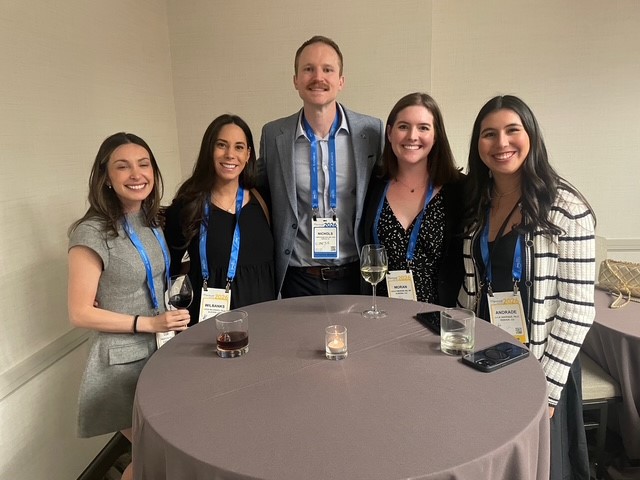
CU Dermatology enjoyed an exceptional showing at this year’s Alumni Reception held in conjunction with the American Academy of Dermatology (AAD) Annual Meeting. The reception drew an outstanding turnout, with several long‑standing faculty members noting it was the largest alumni gathering they could recall. The strong attendance underscored the depth of connection, pride, and engagement shared across the CU Dermatology community.
The evening offered a festive and welcoming atmosphere, enhanced by live music, CU Dermatology balloons, and an open bar. These elements created a lively setting that encouraged conversation and reconnection among alumni, faculty, residents, medical students, and staff. Several prospective recruits also attended, gaining first‑hand exposure to the collegial culture and strong sense of community that define the department.
Beyond the celebration, the reception served as a meaningful opportunity to reconnect with former trainees and a previous department chair while celebrating the accomplishments of CU Dermatology alumni. The gathering highlighted the enduring relationships that span generations within the program and reflected the pride shared across the department.
The success of the event was made possible through the collective efforts of faculty, residents, medical students, and especially staff members who generously volunteered their time, including those who attended on their day off to ensure everything ran smoothly. Their dedication, enthusiasm, and behind‑the‑scenes support were instrumental in making the evening both memorable and impactful.
The reception coincided with National Doctors’ Day, providing a fitting moment to recognize and honor the extraordinary contributions of dermatologists across the department. CU Dermatology physicians play a vital role in alleviating suffering, detecting life‑threatening disease, advancing scientific discovery, and educating the next generation of physicians. This work is carried out with professionalism, compassion, and resilience, even as the healthcare environment continues to grow more complex.
Together, the Alumni Reception and National Doctors’ Day celebration highlighted the strength, collegiality, and shared mission of CU Dermatology. The department remains deeply grateful for the meaningful impact its faculty, trainees, and alumni have on patients, learners, and the broader community, and looks forward to continuing to build upon these enduring relationships in the years to come.