

April 3, 2025
Welcome to the Spring 2025 edition of our CU Anschutz MFM e-newsletter! In this issue, we highlight a new initiative at the University of Colorado Anschutz focused on screening all pregnant individuals for pre-existing diabetes (Type 1 and Type 2) and prediabetes at their first prenatal visit. Additionally, we provide updates on preterm birth and cerclage placement.
The CU Anschutz School of Medicine Division of Maternal-Fetal Medicine, in collaboration with the Department of Obstetrics and Gynecology and Division of Endocrinology, Metabolism and Diabetes, is launching a campus-wide effort spearheaded by Linda Barbour, MD and Claire Ingram, PA to universally screen all pregnant individuals at their first prenatal visit for pre-existing diabetes (Type 1 and Type 2) and prediabetes. Recent CDC reports estimate that nearly 1 in 3 individuals of child-bearing age (18-44 yr olds) have prediabetes, but only half of patients know they have it. Pre-existing diabetes (DM) has also markedly increased to 1 in 6 adults in the U.S. In individuals of child-bearing age; approximately 1 in 25 (4%) have diabetes (mainly Type 2) and almost half (40%) do not know they have it. The American Diabetes Association (ADA) in their 2025 guidelines recommends screening for diabetes and prediabetes in nearly all adults (given >90% of adults have risk factors), as part of pre-conception counseling and for pregnant individuals who have not been screened.
Undiagnosed diabetes, with a Hemoglobin A1 (Hgb≥ A1C 6.5%) especially when uncontrolled, can increase the risk of major fetal malformations such as heart, kidney and spinal cord abnormalities in up to 25% of pregnancies, before a mother even knows she is pregnant. These organs are already formed in a fetus by approximately 8 weeks of pregnancy. Undiagnosed and sub-optimally treated T1 or T2 DM also increases the risk of adverse pregnancy outcomes including fetal overgrowth, heart and lung development problems, preterm birth, pregnancy loss and newborn complications requiring neonatal intensive care (NICU) admissions. Prediabetes (Hgb A1C 5.7-6.4) in early pregnancy less commonly increases the risk of major congenital malformations but can increase the risk of gestational diabetes (GDM) to roughly 40-50% and can also increase the risk for abnormal pregnancy outcomes including a large-for-gestational age infant (LGA), preeclampsia, respiratory distress in the infant, and infrequently, a late pregnancy loss. However, early diagnosis and treatment of diabetes and prediabetes in the first trimester, and especially prior to conception, can markedly diminish these risks and result in a much healthier pregnancy for both the mother and her baby. The Hgb A1C blood test can be taken on a blood sample any time during the day as part of routine prenatal labs. A level ≥6.5% supports a diagnosis of pre-existing diabetes (usually T2 DM) that requires treatment and specialized care to ensure that both mother and baby have healthy pregnancy outcomes. Patients with prediabetes are likely to benefit from changes in healthy lifestyles including optimal nutrition, increased physical activity and preventing excess pregnancy weight gain.
An initiative to add the HgbA1C as part of the prenatal lab panel is intended to launch at all UCHealth and CU Anschutz School of Medicine locations later this year. All OB providers will be educated on the best way to identify patients at increased risk, recommend further diagnostic testing, initiate appropriate glucose monitoring and begin therapy or refer patients for pregnancy management to optimize outcomes for both the mother and her baby.
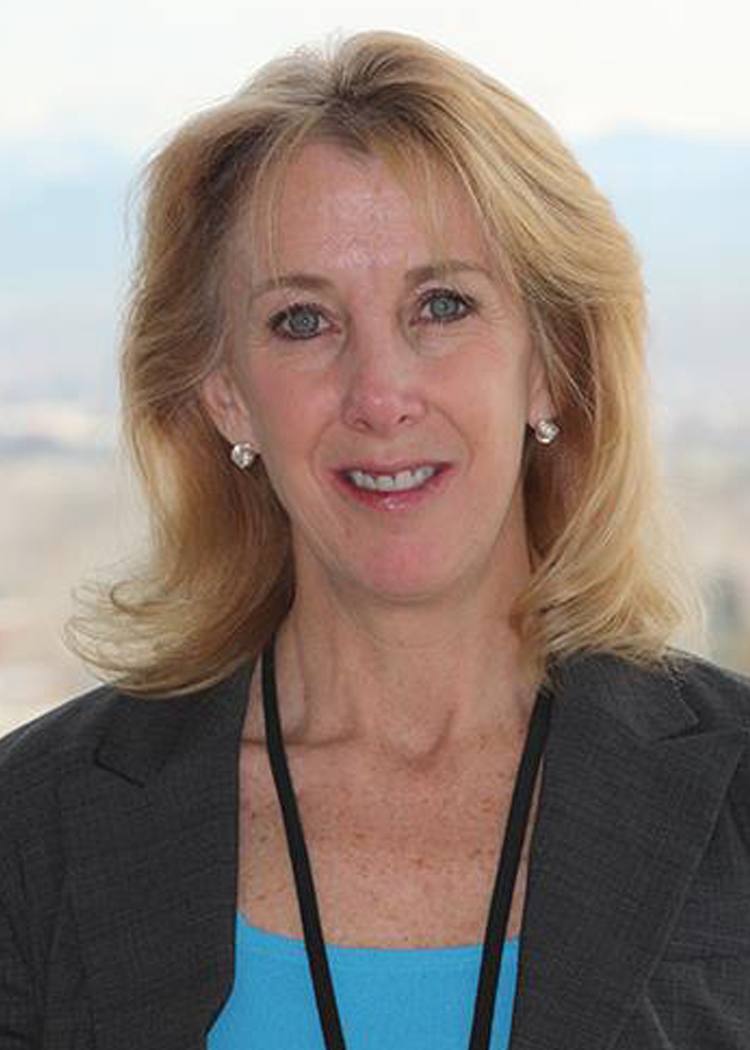 Dr. Barbour is a Tenured Professor in Endocrinology, Metabolism and Diabetes and Maternal-Fetal Medicine and Director of the University Hospital Diabetes and Endocrine Obstetric Clinic. She has been NIH-funded for >20 years and was awarded the ADA 2018 Norbert Freinkel award for her research, teaching and clinical contributions in diabetes/obesity in pregnancy. She currently has a NIH- R01 to define the role of maternal triglycerides in newborn subcutaneous and liver fat development. Dr. Barbour has mentored >25 MD, PhD trainees/junior faculty in OB-Gyn, Neonatology and Endocrinology on the influence of maternal obesity and diabetes on the intrauterine environment and their metabolic effects on infant body composition and later risk for childhood obesity. She served on the Editorial Board for “Diabetes Care”, is Past Chair for the ADA Scientific Planning Committee for Pregnancy and Past President for the Society of Obstetric Medicine, served on the NIH Research Panel on Gestational Diabetes, the Endocrine Society Guidelines Committee on Thyroid Disease in Pregnancy, and she is currently serving on the Endocrine Society/European Endocrine Society Guidelines Committee on Diabetes in Pregnancy. She has been named in “Best Doctors in America” for >25 years and authored ~150 publications.
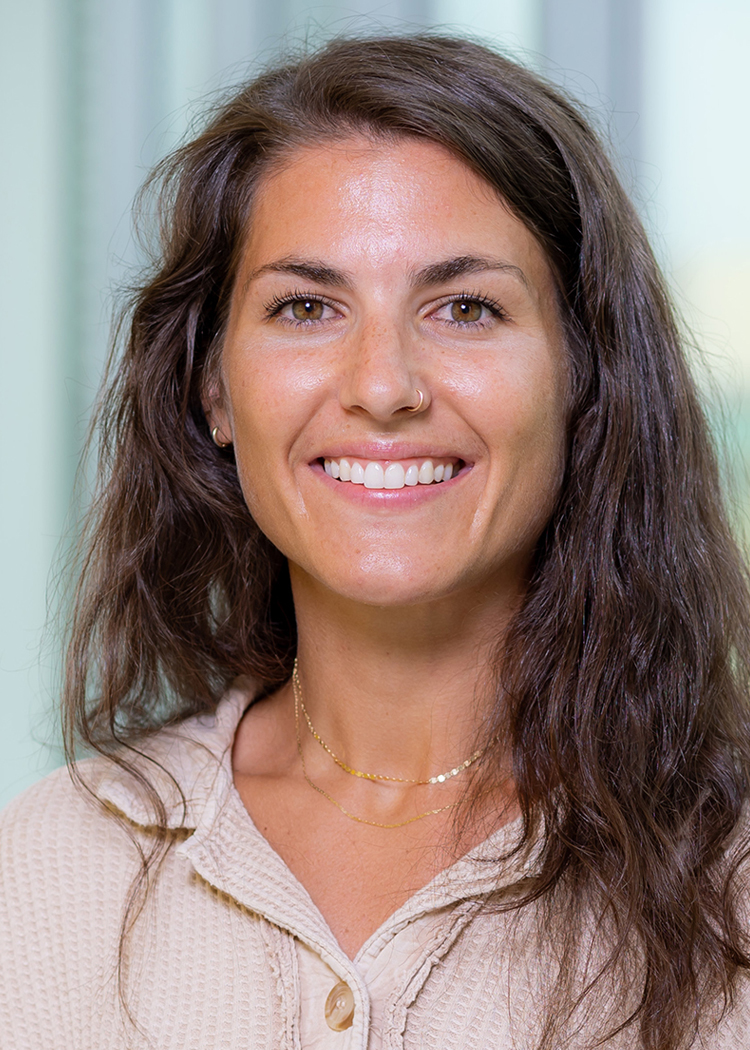 Claire is a board-certified physician assistant with clinical appointments with the Division of Endocrinology, Metabolism and Diabetes and Maternal Fetal Medicine at the University of Colorado Anschutz. She has over five years of experience working on the inpatient glucose management team at the University of Colorado Hospital, where she also serves as the APP Co-Lead of the team. Her primary interest and expertise is the management/treatment of diabetes in pregnancy.
The landscape of preterm birth prevention has been rapidly evolving in the past five years with changes to national guidelines expanding the role for surgical prevention of preterm birth. Cervical cerclage is a procedural process of reinforcing and strengthening a patient’s cervical stroma; it is an effective tool for primary and secondary prevention of preterm birth. CU Anschutz Maternal-Fetal Medicine Physicians perform over 150 cerclage procedures annually, making us one of the highest volume centers in the nation. There are three generally accepted scenarios where cerclage placement can reduce the risk of preterm birth:
There are circumstances outside of these common indications where cerclage is considered and discussed with patients. Each patient should have a nuanced conversation with our team regarding the risks and benefits of cervical cerclage in their clinical scenario. A cerclage procedure can range in technical difficulty and risk. While many of these procedures are done as outpatient cases, some require hospital admission and significant operative planning. Postoperative care for vaginally-placed cerclage varies by indication and clinical setting. Our team is implementing a process to personalize each patient’s follow up by telephone and/or office visit, making sure all questions are answered by our experienced staff.
Sources:
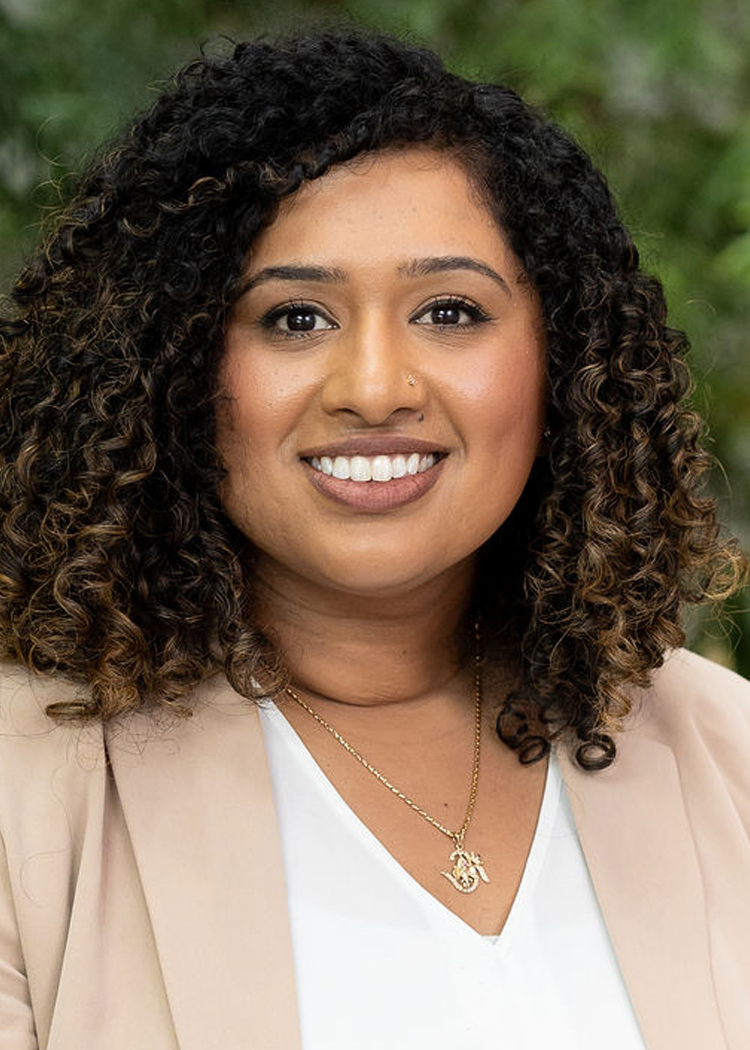
Amrita Shetty is a Practice Manager for the University of Colorado Anschutz in the Department of Obstetrics and Gynecology. For the past 5 years, Amrita has supported the Division of Maternal Fetal Medicine, specializing in clinical operations and outreach. In her role, Amrita has direct oversight of 4 freestanding MFM clinics that interface with 16 outreach clinical sites across the Denver Metro area, Front Range and Wyoming. Feel free to reach out to Amrita with any questions regarding MFM referrals and scheduling.
E: [email protected] | O: 303-724-7698
Dr. Linda Barbour and Claire Ingram, PA-C will present “The Case for Universal A1C Screening at the First Prenatal Visit…and then What?” on Monday, April 21, 2025, 12-1 pm. For more information and to register for CME credit click here: The Case for Universal A1C Screening at the First Prenatal Visit…and then What? | Children's Hospital Colorado Continuing Education
Karen Snyder, BS, RDMS, RDCS, and Maternal-Fetal Medicine specialist Dr. Bahram Salmanian will kick off our inaugural sonographer-focused case review series on Wednesday, April 23, 2025, 12-1 pm. These quarterly virtual sessions will explore complex high-risk pregnancy cases, featuring real ultrasound imaging and associated outcomes. For more information or to be included on our series invites, please email [email protected].
We are excited to announce that Dr. Anna Euser has been named as our new Parker Perinatal Center Medical Director. Dr. Euser has many years’ experience as a MFM physician with CU Medicine and has long-standing positive relationships with our local referring providers. We look forward to her leadership!
We extend our gratitude to Dr. Heather Straub for her dedicated service as Director. We are confident she will continue to be a great partner to all our referring providers.
To refer a patient or for more information, call 303-315-6100 or fax 303-468-3481.
In UCH Epic, referrals can be submitted via Ambulatory Referral to OBGYN/MFM: (REF86). You MUST also select a location for referral to drop into our work queue.
We invite you to share your thoughts, experiences and suggestions related to our content and services. Do you have any questions or topics you'd like us to cover in future editions or educational events? Are there any success stories or challenges in Maternal-Fetal Medicine that you'd like to see featured? Have you experienced issues, concerns or discrepancies with our services? Please email Kelly Clark, [email protected], or fill out our online form. Your input helps us tailor our content and educational offerings to better serve your needs and interests. Join the conversation and be a part of shaping our community!