

Advanced Therapies are specialized treatments designed for people living with movement disorders such as Parkinson's disease, Essential Tremor, and Dystonia. When medications are no longer providing adequate relief from symptoms, advanced therapies can offer another option to maintain or improve a person's quality of life.
These therapies include:
These treatments can restore independence, improve mobility, and improve quality of life for patients with increasingly complex symptoms.
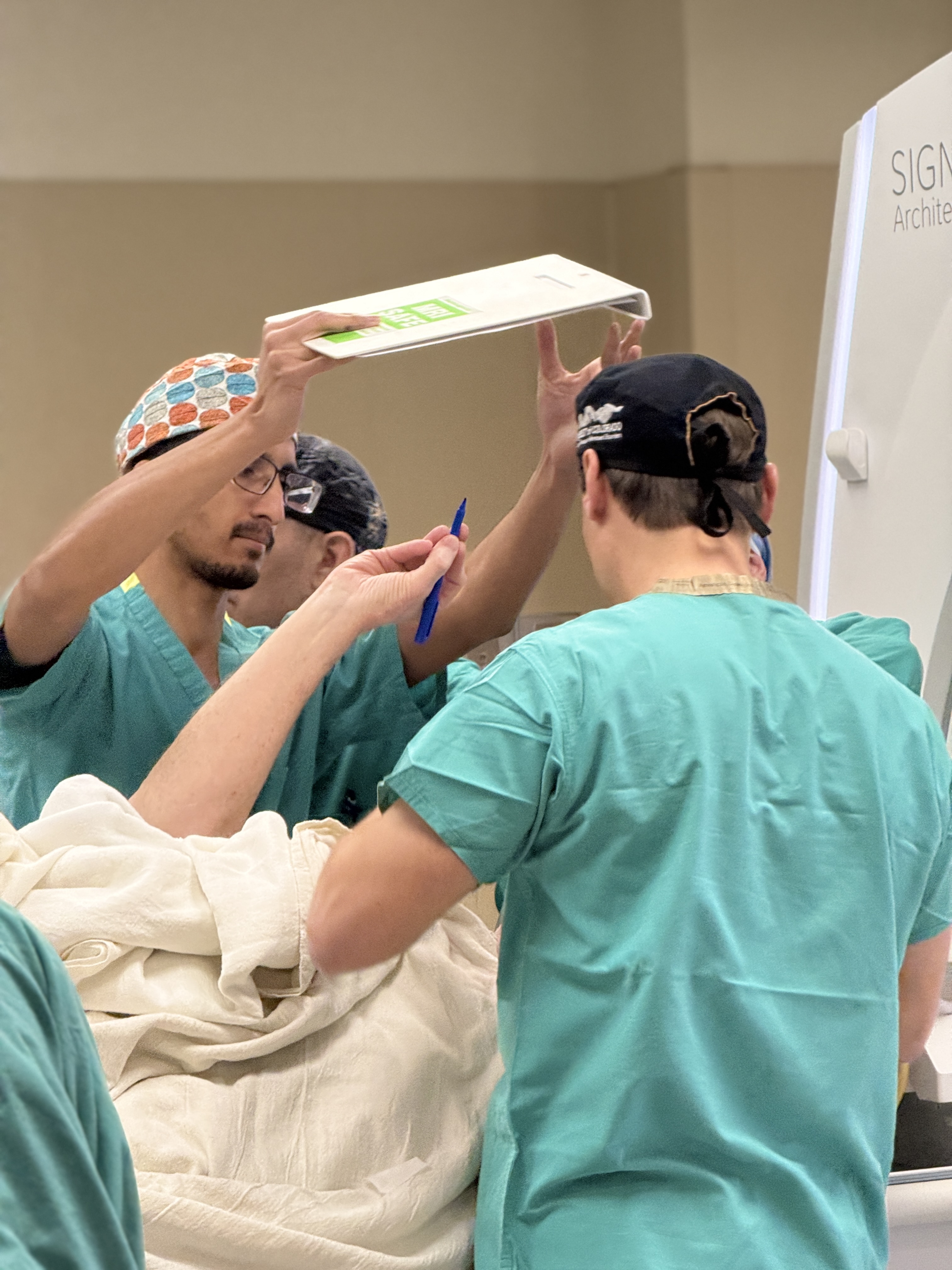
Movement disorders can significantly impact a person's ability to work, engage with friends and family, and maintain independence. As these diseases progress, many patients reach a point where traditional medication management is no longer enough. Advanced therapies provide additional treatment options that can help manage symptoms more effectively.
For many patients, advanced therapies are not simply new treatments. They are life-changing interventions that restore confidence, increase independence, and create opportunities to participate more fully in everyday life.
The University of Colorado Advanced Therapies for Movement Disorders (CUATMD) program is set apart by its multidisciplinary care. Every patient is evaluated by a team working together to identify the most effective treatment strategy. The evaluation process for advanced therapies is highly specialized and requires collaboration among neurologists, neurosurgeons, neuropsychiatrists, rehabilitation specialists, palliative care experts, nurses, and advanced practice providers.
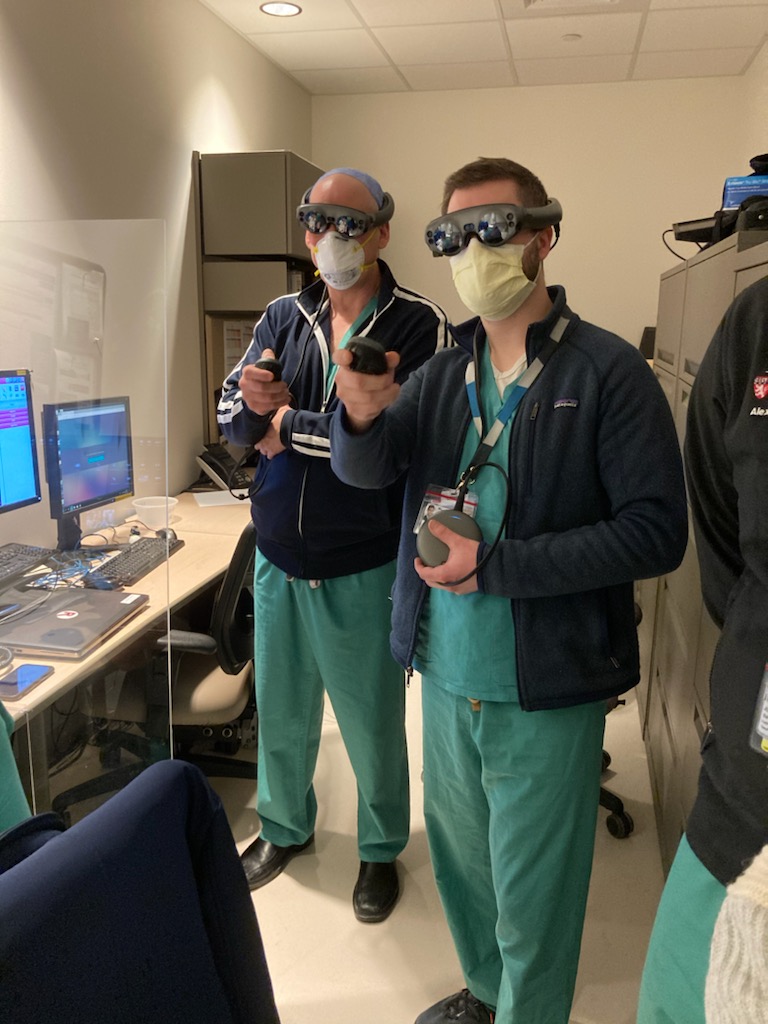
Research is a core component of the CUATMD program. As a regional leader in advanced therapies, the CUATMD team is continuously evaluating the safety, effectiveness, and long-term outcomes of treatments. Researchers are also committed to developing innovative tools, optimising treatment delivery, and improving quality of life for people living with movement disorders.
The program also helps shape the future of movement disorders care through a unique, six-month Advanced Therapies curriculum for second-year movement disorders fellows. This intensive training experience prepares fellows to become experts in advanced therapies by teaching them how to identify appropriate candidates for treatment, understand the evaluation and decision-making process, and develop expertise in therapies such as deep brain stimulation, focused ultrasound, and infusion therapies. By the completion of the program, fellows are equipped not only to recognize when patients should be referred for advanced therapies, but also to establish and lead advanced therapy practices within their own institutions and communities.
Philanthropic Support plays a vital role in accelerating innovation and expanding access to advanced therapies. While many groundbreaking ideas begin in the clinic, they often require early-stage funding to develop new approaches, evaluate outcomes, and bring promising innovations to patients more quickly.
Donor support can help:
Give now
To make a gift over the phone using your credit card, please call the number below and a CU Foundation representative will be happy to accept and process your gift.
Phone: 303-541-1290
Hours: Monday-Friday, 9am-4pm MT