MEET THE TEAM

CONTACT INFORMATION

Roberta Pelanda, PhD

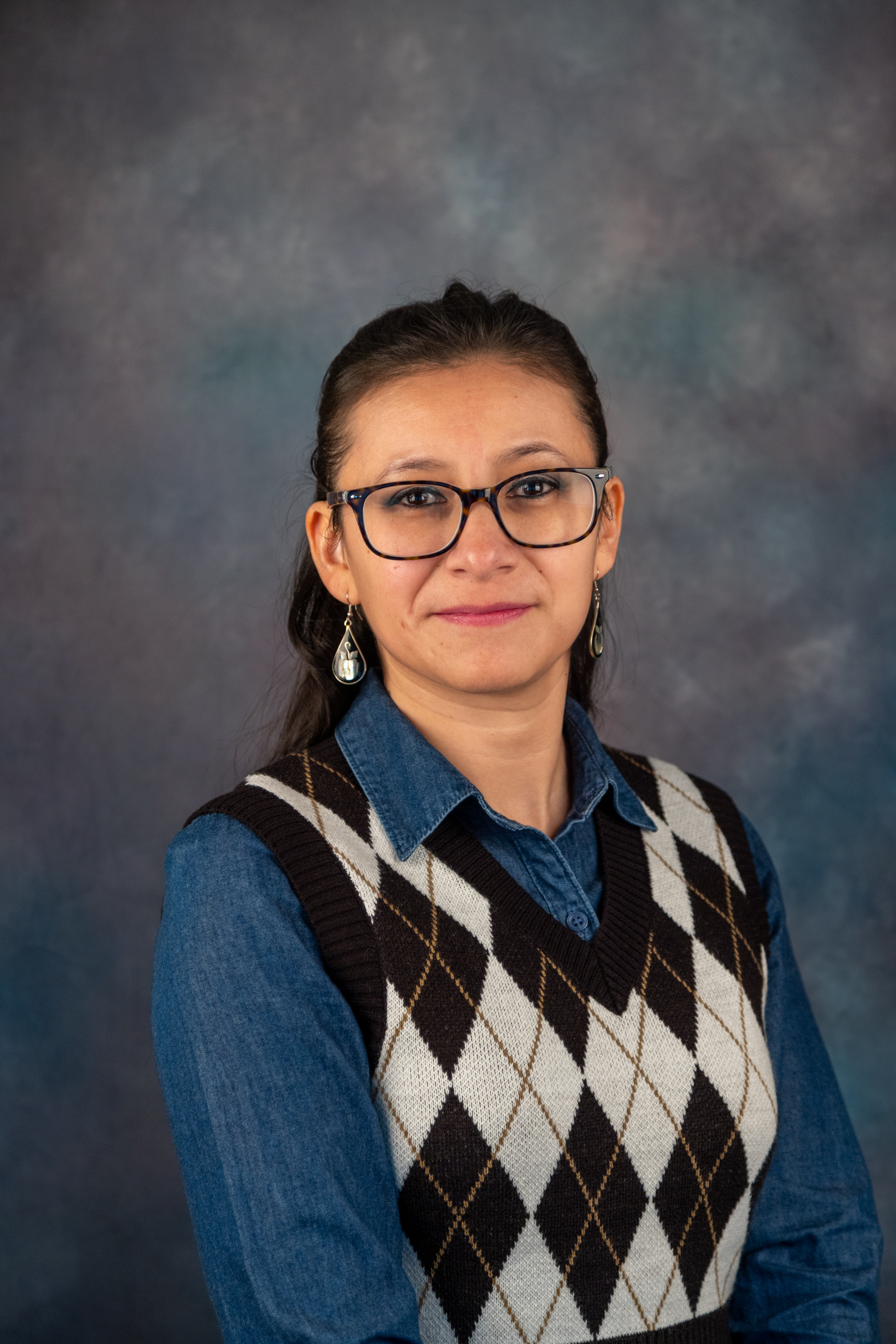
Photo of Roberta Pelanda, PhD


Professor, Department of Immunology and Microbiology
Director, PHISM
Email: [email protected]
RC1-North Rm 8104

Julie Lang, PhD

Photo for Julie Lanh, PhD, wearing a blue plaid button shirt.

Associate Research Professor
Co-Director and Manager, PHISM
Email: [email protected]
RC1- North, Rm 8132

Zander Kostka Newman

Zander Kostka-Newman

Research Service Senior Professional
Email: [email protected]
RC1-North, 8404J

John Rhey Mhar Garcia

John Rhey Mhar Garcia Headshot

Research Service Intermediate Professional
Email: [email protected]
RC1-North, 8404J

Berenice Cabrera-Martinez, MS

Berenice Cabrera-Martinez

Research Service Principal Professional
Email: [email protected]
RC1-North, 8404J

MOUSE MODELS

PHISM DOES NOT HAVE INSTRUMENTATION

Immunodeficient Mice

Human Immune System Mice

HIS-CB: immunodeficient mouse generated from CD34+ hematopoietic stem cells (HSCs) from cord blood (CB) at birth and verified by two bleeds to be >25% human, > 14 weeks.

hu-PBMC: Immunodeficient mouse generated from peripheral blood mononuclear cells (PBMCs) from adult blood or cord blood (CB) and injected into adult immunodeficient mice. In addition to other applications, these mice can be used in short-term Cytokine Release Syndrome Assays, as described in https://doi.org/10.1096/fj.202001203R

Strains

BRGS: BALB/c Rag2-/- IL2Rγ-/- SIRPαNOD mice. Highly immunodeficient mice (no T, B, NK cells) that can be engrafted with human immune systems and/or human tumor allografts. Similar to NSG – engraftment levels average 50%.

BRGSF: BALB/c Rag2-/- IL2Rγ-/- Flk2-/- SIRPαNOD. BRGS mice with additional flk2 mutation that prevents development of mouse dendritic cells. Upon humanization there are more human myeloid cells, especially in myeloid-enriched tissues.

NBSGW: NBSGW (NOD.CgKitW41J Tyr + Prkdcscid Il2rgtm1Wjl/ThomJ). NOD mice harboring a mutation in the stem cell related cKit gene that leads to reduced production of the mouse myeloid lineage and increased human myeloid production upon humanization. Humanization also does not require irradiation.

Coming 2027: BRGS-MHC Class I/II double knock-out (DKO). This strain does not have mouse MHC and thus hu-PBMC mice have extended experimental windows due to much less GvHD.

Customized to available commercial strains

CMS Login