


I have a long-standing interest in mechanisms of development and disease, with key focus on mesodermal lineages, skeletal anomalies, and disease variant discovery. I further heavily invest into advancing genetic tools for model organism research that aid in studying mechanisms of vertebrate development and human disease. I use zebrafish and mice as principal model systems, supplemented by work in chicken, to strengthen our findings to human physiology.
Associate Professor, Department of Orthopedics, University of Colorado School of Medicine
- Long-standing interest in mechanisms of development and disease.
- Focus on mesodermal lineages, skeletal anomalies, and disease variant discovery.
- Advancing genetic tools for model organism research to study vertebrate development and human disease.
- Use of zebrafish and mice as principal model systems, supplemented by work in chicken.
- Translating findings from model systems to human physiology.
Links to complete bibliography of published work:
https://profiles.ucdenver.edu/display/21670728
https://www.ncbi.nlm.nih.gov/myncbi/1pCKaZDS5xhICO/bibliography/public/
B.Sc. University of Karlsruhe, Karlsruhe, Germany
M.Sc. University of Karlsruhe, and German Cancer Research Center, Heidelberg, Germany
Ph.D. University of Zurich and Children's Hospital Zurich, Switzerland
Postdoc Massachusetts General Hospital Cancer Center and Harvard Medical School, Boston
Instructor University of Zurich, Switzerland
Assistant Research Professor University of Zurich, Switzerland
Associate Research Professor, Department of Pediatrics, CUAMC
Associate Professor, Department of Orthopedics, CUAMC
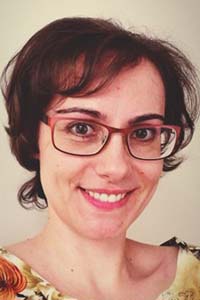
Renata Kun is a Research Services Professional in the Burger Lab. She received her MSc in Biotechnology and has over a decade of experience supporting research programs in academic and industry settings. Her work has included laboratory operations, biobanking, molecular biology, data management, and animal research. She is excited to join the Burger Lab and contribute to research focused on vertebrate development and musculoskeletal disease. Originally from Hungary, Renata moved to Colorado in 2024 and enjoys exploring the Rocky Mountains, observing local wildlife, and discovering new places around the state.
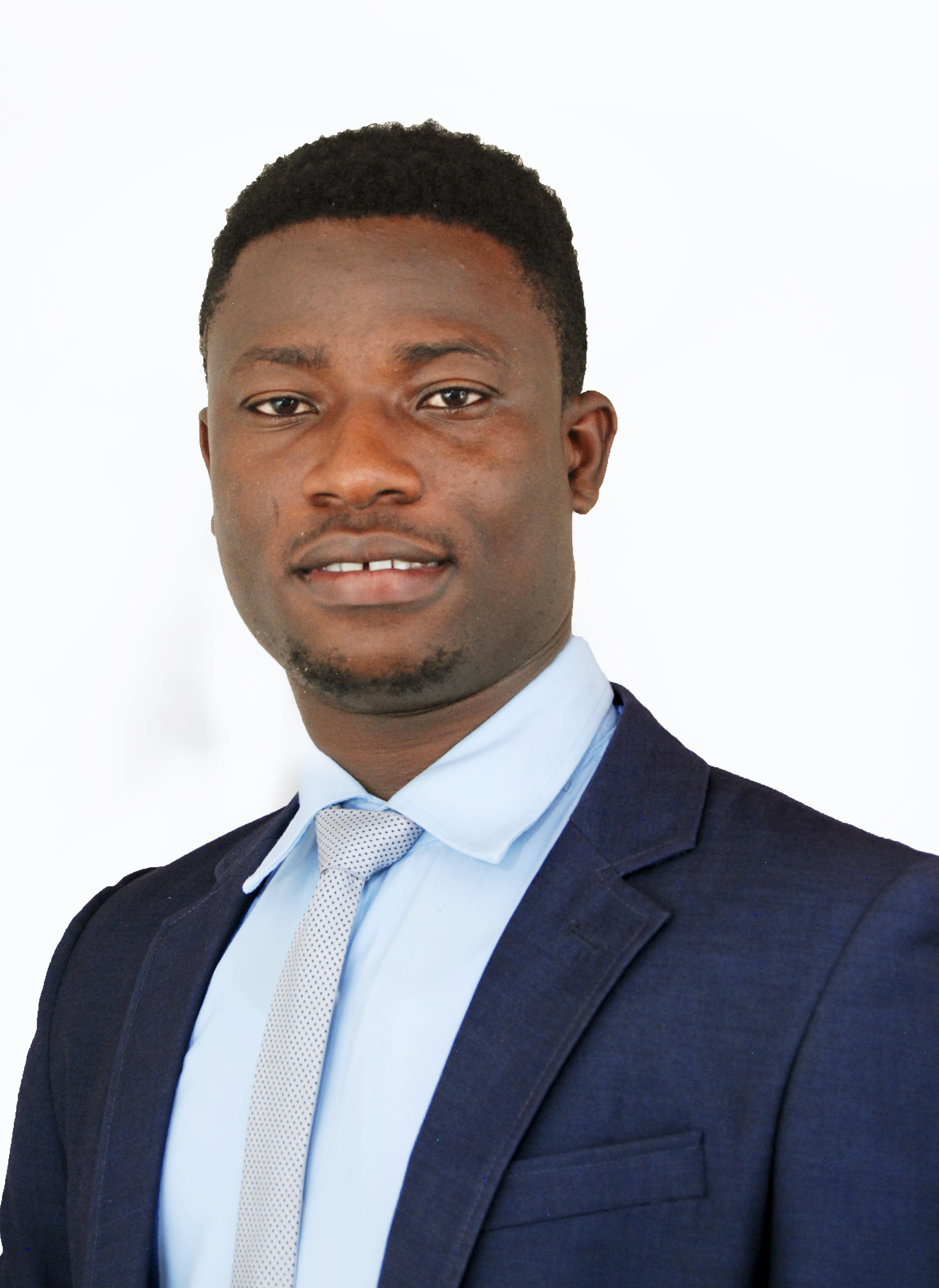
Michael is originally from Accra, Ghana. He is a first-generation graduate with a Bachelor's degree in Medical Laboratory Science from KNUST and a Master's degree in Medical Laboratory Science (MLSD) from UDS. His interest in the genetic underpinnings of rare diseases and dysmorphogenesis stems from his experience as a medical laboratory scientist with the Ghana Health Service. Additionally, he contributed to the LABOR Study Project (PMID: 36636742), a cohort study between the University of North Carolina at Chapel Hill (USA) and the University of Ghana Medical School (College of Health Sciences), which investigated adverse birth outcomes in resource-limited areas. Michael believes that “when nothing makes sense, try saxophone music".
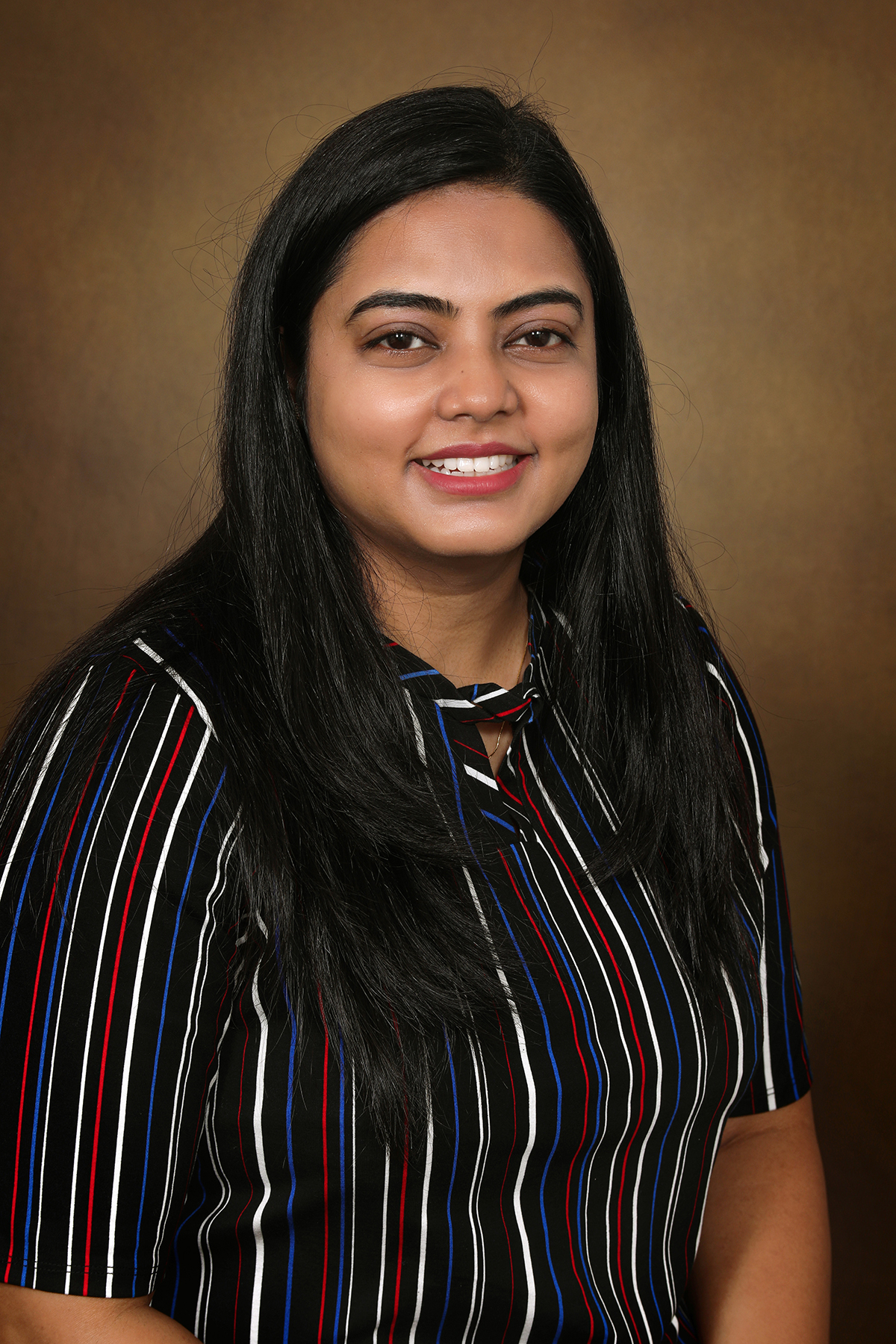
Rashmi Ramakrishna, PhD, is a Postdoctoral Researcher with a multidisciplinary background in immunology, microbiology, and in vivo disease modeling. She earned her doctorate from DFRL–Bharathiar University in India, where she developed molecular diagnostic tools to detect toxin-producing fungi. Her postdoctoral research has focused on immune-regulated mechanisms in skin autoimmunity and kidney disease, with a broader interest in how immune pathways shape tissue health, repair, and homeostasis. Rashmi is excited to apply this perspective to musculoskeletal biology and translational therapeutic approaches. Outside of the lab, she enjoys cooking, watching movies, exploring new places, and spending time with her family.
Brett Naves, BS. Research Assistant.

University of Colorado Anschutz Medical Campus
Department: Orthopedics
Job Title: Research Services Professional/Research Lead
Position: 00830573 – Requisition: 35911
Job Summary:
The Burger Laboratory in the Colorado Program for Musculoskeletal Research, within the Department of Orthopedics, is seeking to fill the position of a Research Services Open-Rank Intermediate to Principal Professional.
In the Burger lab, we are interested in early vertebrate development of the axial and lateral plate mesoderm using zebrafish and mice as models, as well as associated structural birth defects, such as spina bifida, or defects affecting the heart/blood/bone/kidney.
We are further interested in how the axial mesoderm develops into the intervertebral discs, and associated underlying molecular mechanisms, as well as intervertebral disc disease, such as IVD degeneration.
The Research Services Principal Professional is expected to be the research lead for several ongoing projects, including design of experimental setup, data generation, and data interpretation, with the following key responsibilities: