From Resident to Attending: How Training at CU Anschutz Prepared Lindsey Freeman, MD, for a Career in the Department of Neurosurgery
Incoming neurosurgeon Lindsey Freeman, MD, joins CU Anschutz as an assistant professor. She will also see patients at Denver Health and UCHealth Highlands Ranch.
Makenzie Hardy Sep 18, 2026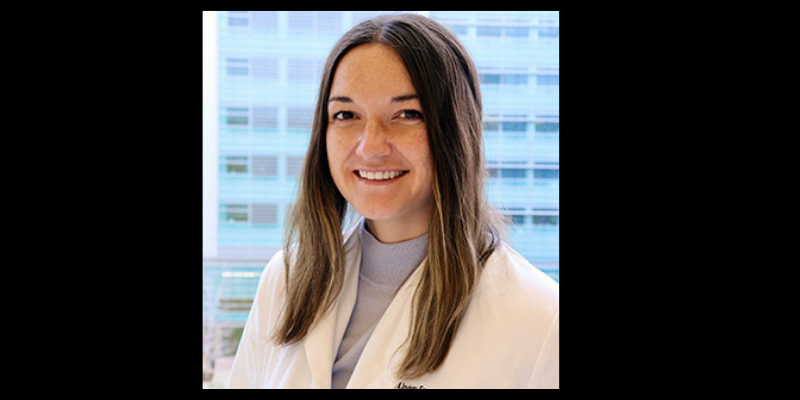
“If you can see yourself doing anything else during medical school, do that.”
That’s the advice Lindsey Freeman, MD, heard throughout medical school that helped her recognize that neurosurgery was the only surgical specialty she could see herself pursuing. Now, after completing her seven-year residency training at the University of Colorado Anschutz School of Medicine, she shares that same advice with aspiring neurosurgeons.
While neurosurgery is a deeply rewarding career, it is largely considered one of the most challenging and most demanding training programs learning to provide surgical care in high-stakes scenarios. Despite the extreme work hours and program duration, Freeman knew she wanted to be a neurosurgeon by her third year of medical school.
After completing seven years of neurosurgery residency training, she returns to CU Anschutz as an assistant professor and will see patients at Denver Health, UCHealth Highlands Ranch, and at her outpatient clinic location in Lone Tree. The role will allow Freeman to instruct and encourage the rising generation of neurosurgery residents while working as an attending treating a wide spectrum of pathologies and patient demographics.
Resident to attending
One of the unique aspects of the neurosurgery residency training program at CU Anschutz is the opportunity to rotate at
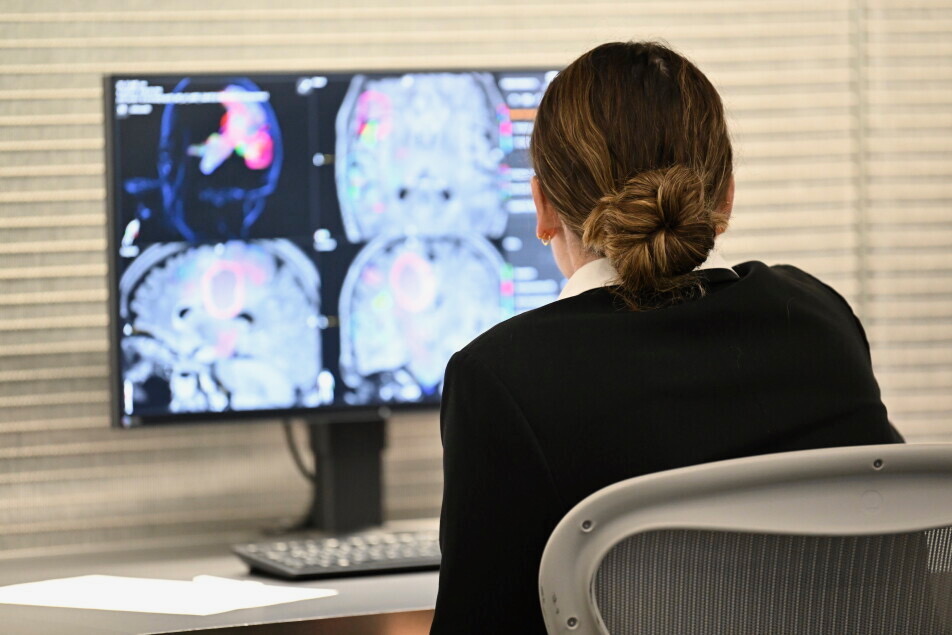
four different sites — UCHealth University of Colorado Hospital, Children’s Hospital Colorado, Rocky Mountain Regional VA Medical Center, and Denver Health.
Freeman says her most formidable rotation was at Denver Health. Residents spend half their fourth year of residency at Denver Health, a county safety-net hospital.
“Fourth year was the year I took the biggest surgical step forward,” Freeman says. “The residents operate more and get more autonomy at Denver Health. Their decisions are still supervised, but it’s very hands-on and the most trauma heavy hospital in the program.”
Freeman trained with Department of Neurosurgery associate professors Fabio Grassia, MD, and Muhammad Riaz, MD, at Denver Health and praises the academic and hands-on environment they have created.
“I am excited to work with the residents at Denver Health, especially for the first couple of years since I already know them,” she says.
In addition to clinical rotations, Freeman praised the Center for Surgical Innovation (CSI) on campus and the courses led by department faculty.
“It’s a great place to work with cadavers,” Freeman says. “Anatomically, you’re not going to match that anywhere else. Dr. Youssef’s course is phenomenal and as a resident, it’s valuable to go through these courses.”
Freeman’s favorite year of residency was her sixth year, the chief year for neurosurgery residents at CU Anschutz. During the chief year, residents spend the entire year at the UCHealth University of Colorado Hospital managing the different neurosurgical services.
“It’s a culmination of everything you have learned before and you get to display the knowledge that you now have,” she says. “You get to operate independently. It’s a big year with a lot of expectations.”
Freeman trained under the leadership of associate professors Kerry Brega, MD, former neurosurgery residency program director, and Christopher Roark, MD, the current program director.
“They both care and that can’t be said about every program director out there,” she says. “They have different leadership styles and priorities, but they both cultivate a culture where the residents are comfortable.”
Finishing residency abroad
During Freeman’s seventh year of residency, she took an unconventional path by traveling to Australia to complete her
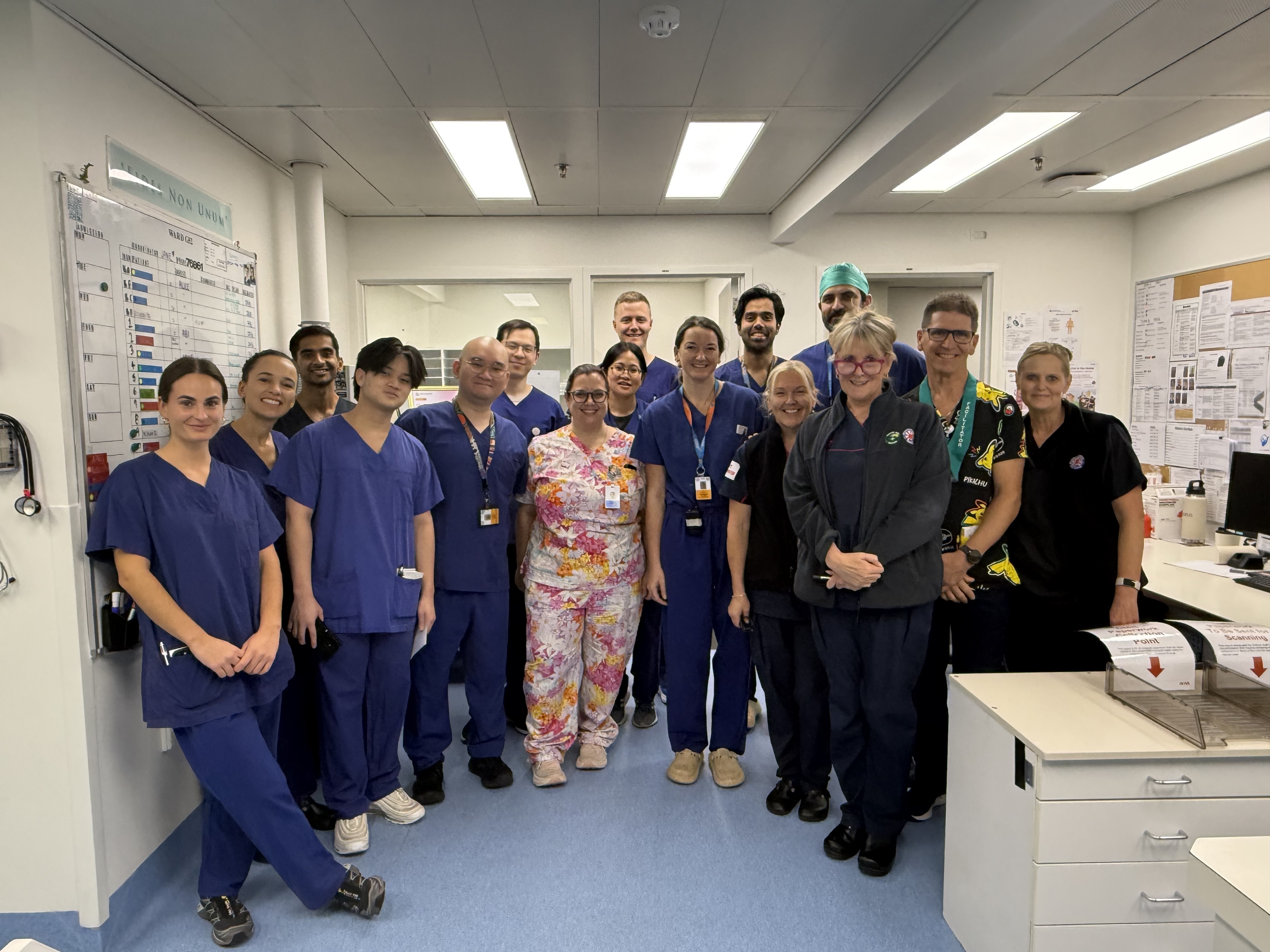
seventh year of training. She spent nine months finishing her training at a hospital in Perth.
The opportunity arose when Freeman met with an Australian neurosurgeon during the department’s annual Stereotactic and Functional Neurosurgery Course. That conversation combined with the support of Brega and Roark led to a nine-month rotation in a country Freeman had never visited.
“It was valuable to see a different way of doing things,” Freeman says. “It was a very busy hospital, the patients did well, and the system is so different. It was valuable to see a different way of doing things.”
Freeman says the only downside of her decision to finish her training in Australia was not spending her final year with department faculty and other residents. Despite missing her co-residents, the opportunity left a lasting impact.
“It taught me a lot about taking advantage of opportunities that come along,” she says. “I’m so glad I did it.”
Variety in her neurosurgical practice
Freeman’s split role at Denver Health and UCHealth Highlands Ranch will give her the variety in her practice that she craves.
“Denver Health is a teaching hospital with a well-established program, so I know what I am getting myself into,” she says. “At UCHealth Highlands Ranch, I get to experience a smaller, elective practice and be part of their growth.”
The pathologies and patient demographics are different at both locations. Denver Health is an acute, trauma-based hospital. As the county safety net hospital, Freeman will care for many patients coming in with Medicaid — a stark difference from the elective surgery patients that she will see in Highlands Ranch.
Freeman is drawn to traumatic pathology due to the active decision making required to care for these patients, while a community-based hospital allows more time for planning of elective surgeries. In both cases, Freeman will have the opportunity to help people — a core value that first drew her to medicine.
“I really want to see different facets of neurosurgery and contribute to patient care all over the spectrum,” she says.
Advice to rising neurosurgeons
Stepping into the role of an attending, Freeman hopes the residents that come through the program will feel comfortable asking questions and contemplate how they will make decisions when they are the attending in charge.
“Keep asking questions, especially in the early years of residency,” she says. “That is the whole point. If I could give myself advice early on, it would be that.”
Freeman was fortunate to have support from people in and out of the field to help her avoid burnout. Faculty supported Freeman to pursue research that inspired her, leading to the completion of a quality improvement project at the end of her residency training. She looks forward to focusing her attention as an attending on the things in her field that she cares about while encouraging residents to identify and pursue their research and clinical interests.
To others that want to pursue a career in neurosurgery, Freeman’s advice is to commit to the hard work and training.
“Residency is not a passive activity,” she says. “You have to be very intentional and work at it every day. If you are committed to getting better and growing in this very important and complicated skill, you’ll get there.”