

Bonnie Jortberg (she/her/hers), Professor and co-chair of CAMPHIRE
Food Justice, Screening for Food Insecurity to Improve Health
Aug 5, 2026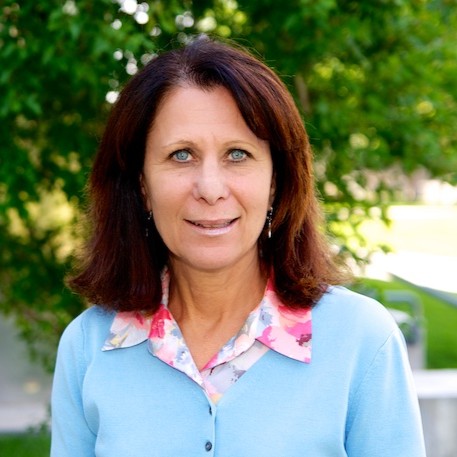
About the Author: Bonnie T. Jortberg is a professor in the DFM and the co-chair of CAMPHIRE. Bonnie has been at CU-SOM for almost 31 years, with 21 of those years in DFM. As a Registered Dietitian Nutritionist and Certified Diabetes Care and Education Specialist, Bonnie has devoted her career to research that improves the lives of patients with chronic conditions through lifestyle changes. She became interested in food insecurity through her research study on childhood obesity.
The program she helped develop, The Fit Family Challenge (J Am Board Fam Med 2016;29:434–443), was implemented in 20 primary care practices in Colorado with the goal of decreasing the incidence of childhood obesity. Results from this study showed that a family intervention focused on the 5-2-1-0 message (5 fruit and vegetables servings/day; 2 or fewer hours of screen time; 1 hour or more of physical activity; and 0 servings of sugar sweetened beverages) decreased BMI percentile and improved all 5-2-1-0 metrics. However, this study also showed that families reporting food insecurity had higher rates of obesity and had less follow-up time. The results of this study have been included in the American Board of Family Medicine’s Primary Care Collaborative Curated List of most impactful studies (JABFM. Jul 2022, 35(4) 655).
Since the results of the Fit Family Challenge were published, Bonnie has integrated the importance of screening for food insecurity into her teaching of medical students, residents, clinicians, and nutrition students. Medical professionals play an important role in screening for food insecurity because access to nutritious food is directly linked to health outcomes. Food insecurity can affect growth and development in children, worsen chronic conditions such as diabetes, hypertension, and obesity, and make it harder for patients to follow medical recommendations. For example, a patient may be told to eat more fruits and vegetables or follow a specific diet, but those recommendations may not be realistic if the patient cannot consistently afford or access healthy food.
Screening also helps clinicians identify needs that may not be visible during a routine visit. Many patients may feel stigma or embarrassment about food insecurity and may not volunteer this information unless asked in a respectful, normalized way. When medical professionals screen, they can connect patients and families to resources such as SNAP, WIC, school meal programs, food pantries, medically tailored food programs, or community-based nutrition support.
Just as importantly, screening for food insecurity supports more equitable, patient-centered care. It helps clinicians understand the social conditions affecting a patient’s health and tailor care plans to what is feasible for that patient and family. In this way, screening is not only about identifying hunger—it is about improving prevention, chronic disease management, follow-up, and overall health.
The following are resources for screening for food insecurity:
• Hunger Vital Sign™ two-question screener
• USDA Household Food Security Survey modules
Clinical Guidelines and Implementation Resources:
• American Academy of Pediatrics guidance on food insecurity screening
• American Academy of Family Physicians resources on social determinants of health
Connect with Bonnie: [email protected]