33
DOS Faculty Named 2025 Top Doctors by 5280 Magazine

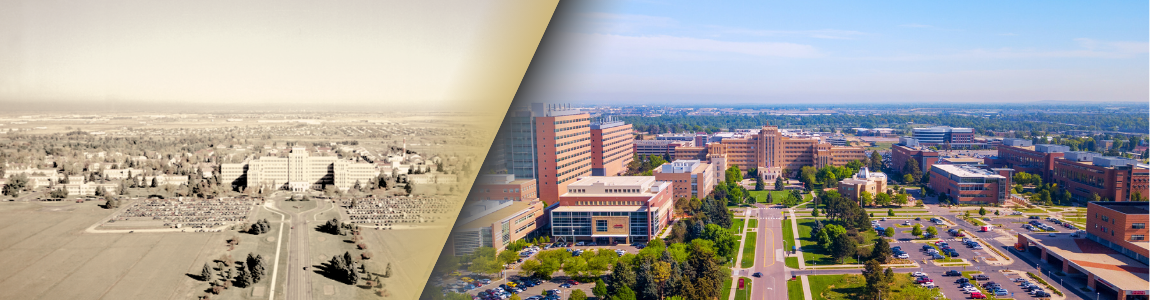
The Department of Surgery has been at the forefront of surgical advancement for decades, blending bold innovation with rigorous research and a deep commitment to patient care. From pioneering techniques to shaping national standards in surgical education, the department’s history reflects a tradition of excellence and collaboration. This timeline chronicles the milestones, people, and ideas that have defined our journey and continue to inspire the future.
The Early Years: Pre-1950
From Discovery to Worldwide Recognition
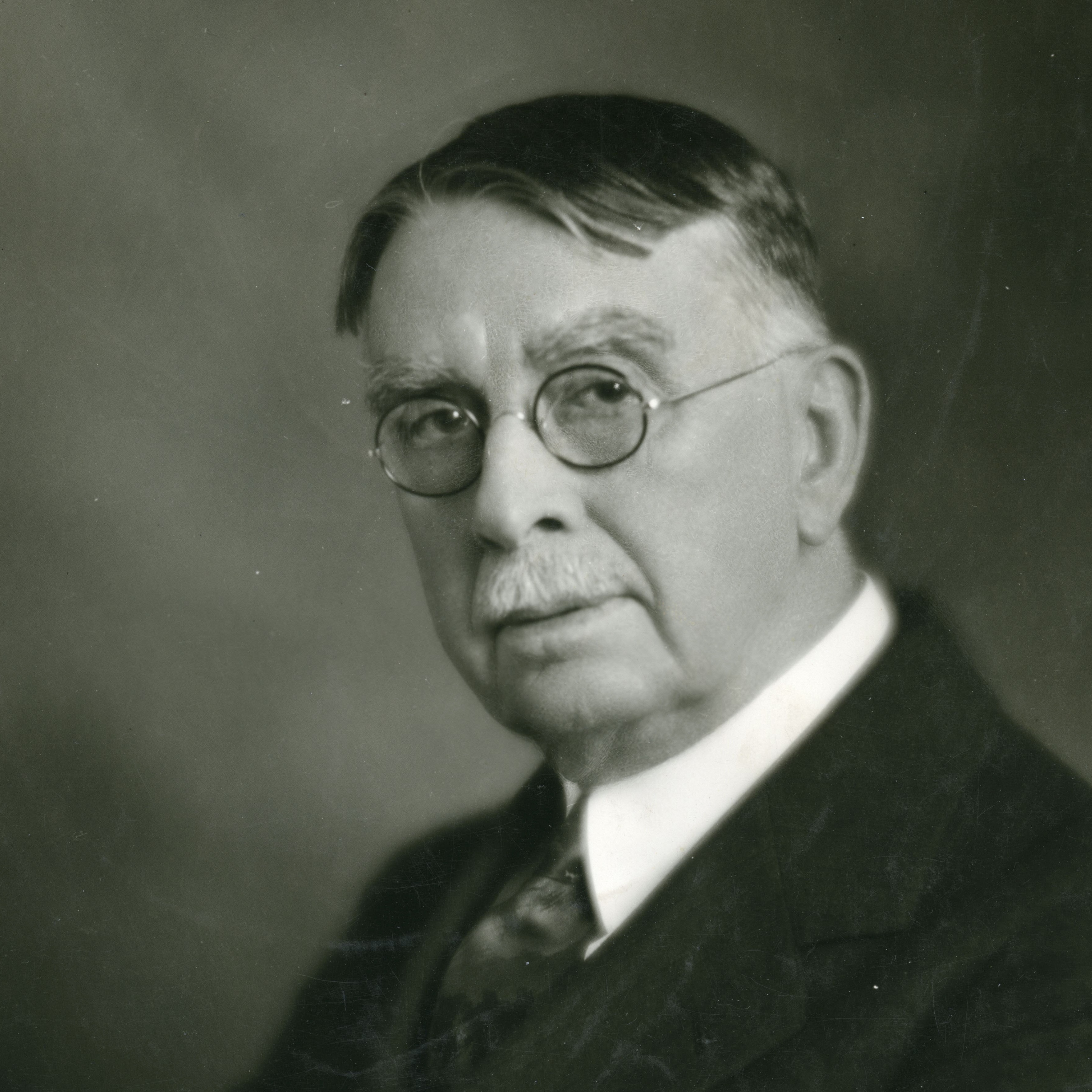
1950 to 1961: Dr. Henry Swan
Dr. Henry Swan was a charismatic and determined leader who shaped surgical innovation with unorthodox methods and a bold approach to care that brought international attention to the new Department.
Swan pioneered open-heart surgery using induced hypothermia, a technique that allowed surgeons to safely operate on the heart by cooling patients to extremely low body temperatures. Long before heart-lung machines became common, Swan’s groundbreaking work in Denver enabled successful procedures once thought impossible, transforming the field of cardiac surgery. His innovative use of hypothermia gave many their first hands-on experience inside the heart, while his relentless lab research helped doctors better understand how the body reacts during heart surgery. One of his original tools, a bathtub used to cool patients, is now preserved by the Smithsonian, a quiet monument to a bold legacy.
Laying the Groundwork for Transplantation
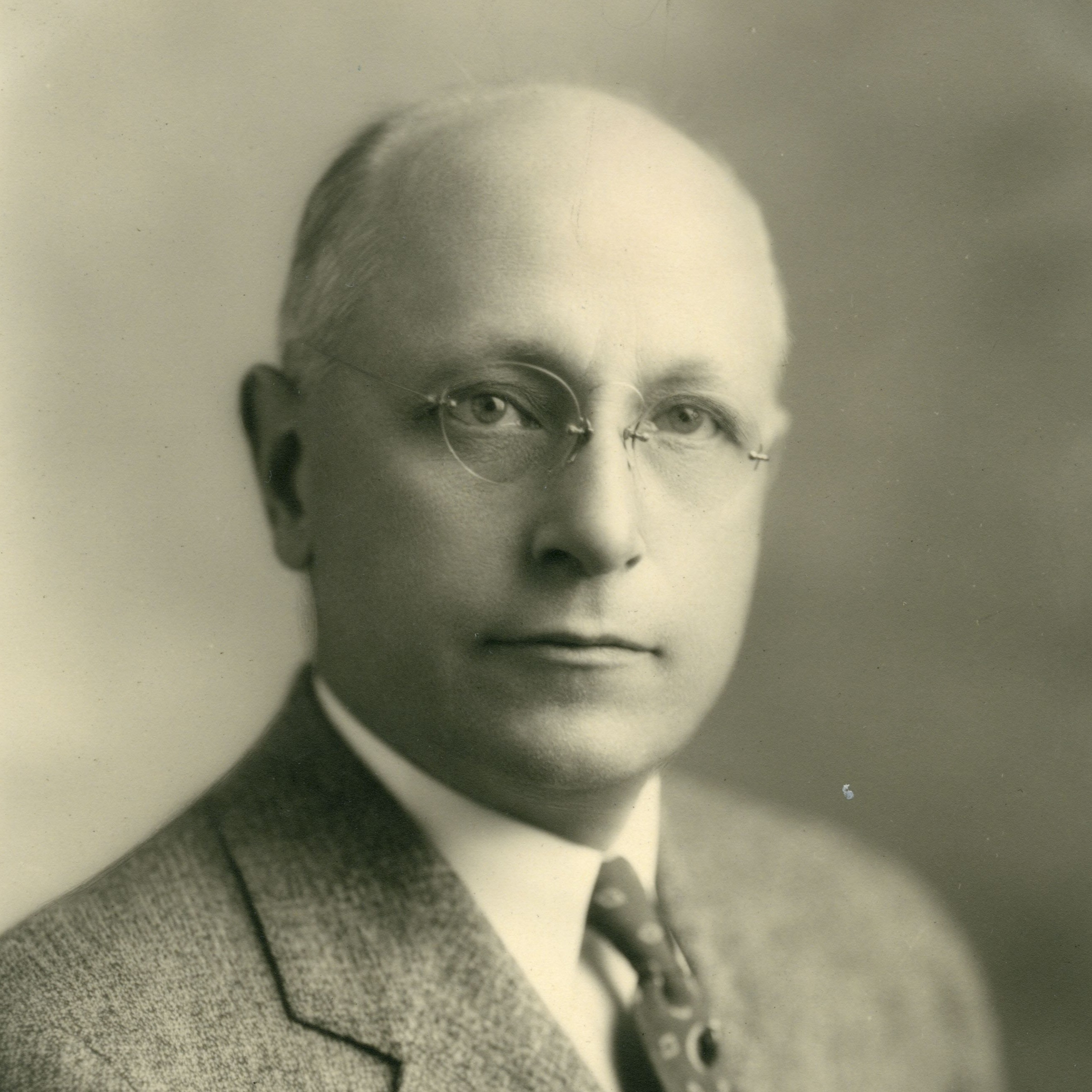
1961 to 1972: Dr. William Waddell
Dr. William Waddell brought both vision and vigor to the Department of Surgery, drawing on his Harvard training and a fearless approach to complex cases. He spearheaded the launch of Colorado’s transplant program and set the stage for bold new directions in emergency care and academic excellence.
In 1962, with Waddell’s support, Dr. Tom Starzl performed Colorado’s first kidney transplant, between identical twins, at the VA Hospital in Denver. Dr. Robert Brittain and Dr. Oliver Stonington played key roles in the groundbreaking operation, which became the foundation of a world-class transplant program. This milestone marked the Department’s reemergence on the global stage and began a new chapter of surgical innovation.
Dr. Joseph Holmes, a professor of medicine at the University of Colorado and a pioneer in the development of chronic dialysis, played a pivotal role in supporting the early transplant program by sustaining patients awaiting surgery. One standout case was Royal Jones, who received his first kidney in 1962 at the age of 12 and became one of the longest-living recipients of an unrelated donor kidney, living more than two decades and undergoing two additional transplants.
A New Era in Surgical Science
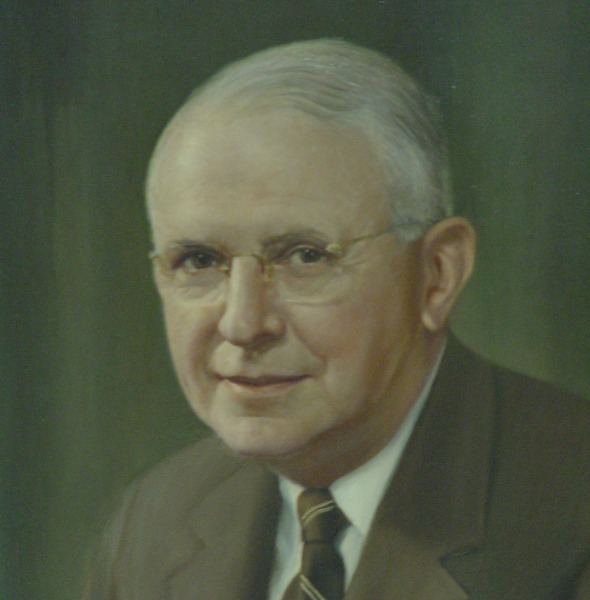
1972 to 1980: Dr. Thomas Starzl
Under the visionary leadership of Dr. Thomas Starzl, renowned as the “Father of Modern Transplantation,” the University of Colorado saw a transformative era in transplant science and surgical training. Starzl initiated a thoracic surgery residency spanning three hospitals, approved in 1975, and helped launch vital transplant programs by appointing leaders like Dr. Richard Weil and Dr. George Pappas.
During this time, Dr. David Clarke led pediatric cardiac surgery at Children's Hospital Colorado for nearly three decades, gaining international recognition for his groundbreaking valve conduit techniques. Dr. David Campbell revitalized the cardiac transplant program, performing over 300 pediatric heart transplants and establishing the region’s only dedicated pediatric transplant center.
Expanding Programs and Elevating Standards
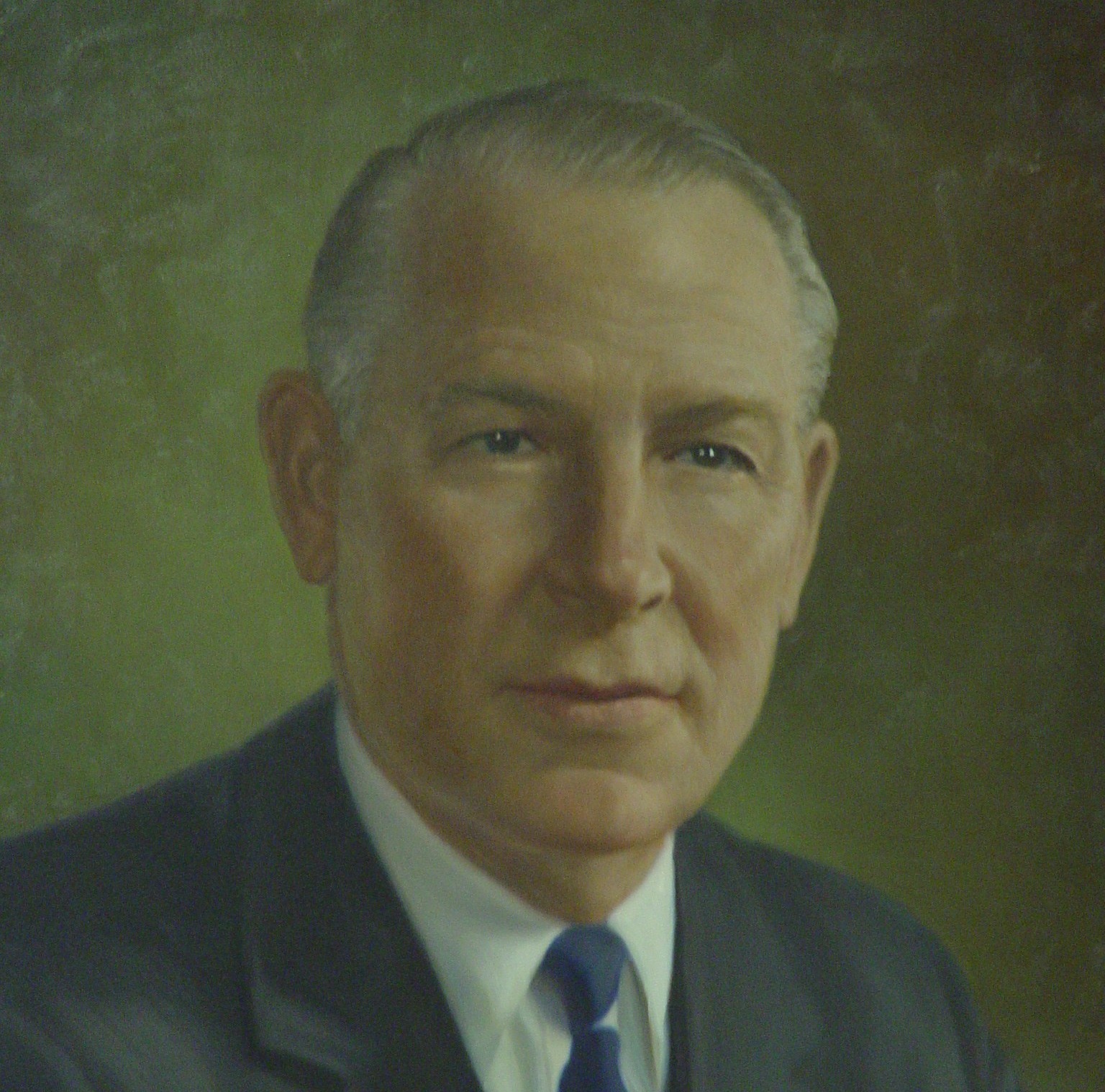
1983 to 2002: Dr. Alden Harken
A meticulous surgeon and transformative educator, Dr. Alden Harken focused on refining clinical care and expanding training pathways. His tenure saw a significant increase in National Institutes of Health (NIH) funding and institutional support for surgical research. His leadership revived transplant surgery in Colorado, supporting Dr. Igal Kam’s pioneering liver transplant in 1988 and the introduction of living donor liver procedures. In 2003, Harken brought back Dr. Fred Grover, a seasoned surgeon with deep roots in Denver, to launch a lung transplant program.
Innovation, Altitude, and New Frontiers
2002 to 2010: Dr. Frederick Grover
Dr. Frederick Grover’s tenure as chair marked a decade of surgical innovation, emphasizing minimally invasive techniques, technology integration, and faculty development. He spearheaded the founding of the Altitude Medicine and Research Center, solidifying the Department’s leadership in high-altitude science.
Nationally recognized for his expertise in clinical data analysis, Dr. Grover chaired the Society of Thoracic Surgeons’ Workforce on National Databases for a decade and co-led a major VA study on coronary bypass surgery. Upon returning to Denver, he established one of the nation's leading lung transplant programs, expanding the Department’s excellence in advanced cardiothoracic care.
Present Day
2012 to 2025: Dr. Richard Schulick
Under the leadership of Dr. Richard Schulick, the Department of Surgery had more than doubled in size, now home to over 350 faculty and training more than 160 fellows and residents. His vision attracted top talent from across the world and built a nationally recognized program.
“Patients vote with their feet. If you look at how many more patients come to see us for our various services every year, it's increased tremendously, 10-20 percent every year. It's not just that the population of Colorado is growing; people who before might have gone out of state for treatment are realizing they can get the best treatment in the world right here, and are choosing to stay.”
Read more about Dr. Schulick's journey and leadership approach.
33
DOS Faculty Named 2025 Top Doctors by 5280 Magazine165
Active Clinical Studies in 202414
Years Ranked as the #1 Hospital in Colorado$18M
New Grant Funding in 2024