

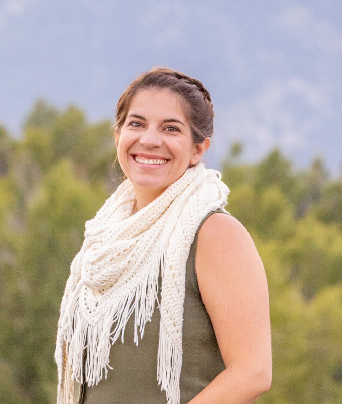
Assistant Professor
Department of Pediatrics, Section of Gastroenterology, Hepatology, & Nutrition
Dr. Dunn received her PhD from the University of North Carolina Department of Microbiology & Immunology, completed postdoctoral training at Northwestern University and Cincinnati Children’s Hospital Medical Center, and started her research laboratory at the University of Colorado in 2023. The Dunn Lab explores intriguing and unexpected aspects of eosinophil biology with the goal of revolutionizing treatment of eosinophilic gastrointestinal diseases. Through the TRSP-funded project, Dr. Dunn’s team will define the mechanisms of hematopoietic remodeling following allergic stimulation, and furthermore how resulting changes to eosinophil progenitors may sensitize individuals to subsequent allergic disease by skewing eosinophils toward greater reactivity. Dr. Dunn’s lab is funded by a NIAID New Innovators Award (DP2) and an AB Nexus award.
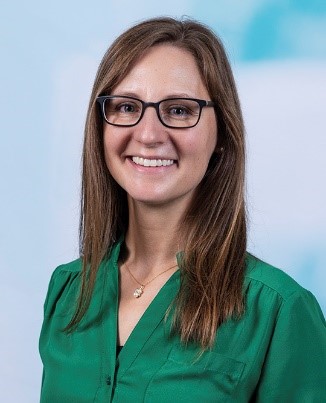
Assistant Professor
Department of Pediatrics, Section of Nutrition
Dr. Gilley completed a medical degree and a PhD in genetics as part of the Medical Scientist Training Program at Tufts University. She then came to the University of Colorado for a residency in pediatrics, clinical fellowship in pediatric nutrition and obesity medicine, and a T32 research fellowship before joining the faculty. Dr. Gilley's career combines both clinical practice and research centered on improving pediatric nutritional care. Her research focuses on understanding how maternal nutritional status interacts with dietary intake during infancy and early childhood to influence health across the lifespan. She is particularly interested in metabolic outcomes such as obesity and type 2 diabetes after fetal growth restriction and whether postnatal growth and nutrition can improve lifelong health. Dr. Gilley's clinical practice centers on infants, children and adolescents with growth faltering, malnutrition, micronutrient deficiencies, and feeding difficulties.
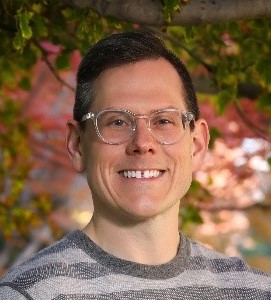
Assistant Professor
Departments of Biochemistry and Molecular Genetics, Pharmacology and Pharmaceutical Sciences
BioFrontiers Institute, CU Boulder
Dr. Janetzko is a chemist and structural biologist whose research focuses on the molecular mechanisms regulating G protein-coupled receptor (GPCR) signaling and trafficking. He completed his undergraduate training in chemistry at the University of Toronto, followed by a PhD in chemistry at Harvard University. He then pursued postdoctoral training at Stanford University in the laboratory of Nobel Laureate Brian K. Kobilka, where he helped define the structural and biophysical basis of GPCR-β-arrestin complexes using cryo-electron microscopy, single-molecule biophysics, and cell-based approaches. In 2022, he received an NIH NIGMS K99/R00 Pathway to Independence Award.
Dr. Janetzko joined the University of Colorado Anschutz Medical Campus in 2024 as an Assistant Professor in the Department of Biochemistry and Molecular Genetics. He also holds secondary appointments in Pharmacology and Pharmaceutical Sciences and serves on the Faculty Council of the BioFrontiers Institute at CU Boulder. He is a recipient of the 2026 Boettcher Foundation Webb-Waring Biomedical Research Award. His laboratory integrates chemistry, physics, structural biology, chemical biology, cell biology, and protein engineering to understand how GPCR signaling complexes assemble, traffic, and are regulated in health and disease. A major goal of Dr. Janetzko’s research program is to develop engineered biologics and molecular tools to selectively modulate disease-associated GPCRs that remain difficult to target using conventional pharmacology, with potential applications in cancer, cardiovascular disease, and inflammatory disorders.
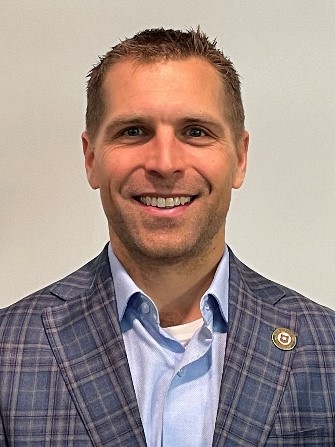
Assistant Professor of Medicine
Boettcher Investigator
Section of Advanced Heart Failure and Cardiac Transplant
Department of Medicine, Division of Cardiology
Dr. Benjamin Kopecky is an Assistant Professor of Medicine in the Division of Cardiology at the University of Colorado, where he practices advanced heart failure and cardiac transplantation and leads a translational research program focused on cardiac inflammation and transplant immunology. His laboratory integrates human biospecimens with murine models and multimodal omics to define how innate immune and stromal interactions drive graft injury and long term transplant outcomes. He is the PI of an NIH K08 award and a Boettcher Early Career Investigator, with work published in Circulation, Nature, Nature Cardiovascular Research, and Transplantation.
Dr. Kopecky co leads the Cardiology Adult Tissue Biobank, mentors trainees across career stages, and serves on multiple PhD thesis committees. Nationally, he is active in the Heart Failure Society of America, the American Society of Transplantation, and the International Society for Heart Research (ISHR) where he received the 2023 Young Investigator Award. Outside academia, he is an accomplished endurance athlete, having completed marathons in all 50 states.
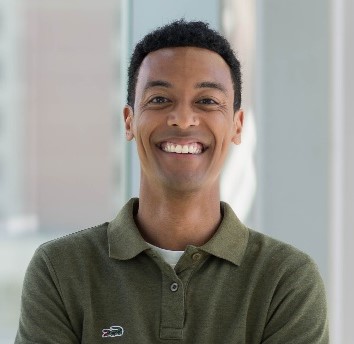
Dudley Rising Star Endowed Assistant Professor
Department of Pharmacology
Dr. Oliphant received his PhD from the University of Colorado Anschutz Medical Campus and completed his postdoctoral training in the laboratories of Joan Brugge and Senthil Muthuswamy at Harvard Medical School. The Oliphant Lab studies metabolic plasticity in estrogen receptor-positive (ER+) breast cancer, the most common subtype, with a focus on how tumors exploit nutrients in their microenvironment to resist CDK4/6 inhibitors, a standard targeted therapy. Dr. Oliphant's TRSP-funded project will define how the leucine transporter SLC7A5 rewires tumor metabolism to drive resistance and will build metabolic biomarker-guided strategies to predict which patients’ tumors are likely to relapse, so that treatments can be matched and combined more effectively. Dr. Oliphant is supported by an Emerald Foundation/Black in Cancer Career Transition Award and is the Dudley Rising Star Endowed Assistant Professor.
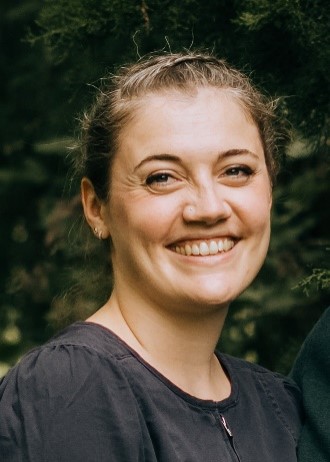
Assistant Professor
Department of Pediatrics, Section of Developmental Biology
Dr. Roberson received her Bachelor of Science in Biochemistry from the University of Vermont in June 2011, and her PhD in Molecular Biology and Biochemistry from the University of California at San Francisco (UCSF) in December 2016. She completed her postdoctoral fellowship at the University of Texas at Austin in December 2022 and started as an Assistant Professor in January 2023. For her entire academic career, she has focused on how cell-cell signaling sculpts cell fate and tissue morphogenesis to regulate organ function. This focus has culminated in the scientific foundation for her lab where they investigate how the cycling uterus coordinates cellular signaling to regenerate and remodel, enabling a healthy uterus and successful pregnancy. Her TRSP-funded project focuses on how endometrial thickness impacts placenta development and function, with the long-term goal of improving in vitro fertilization success.
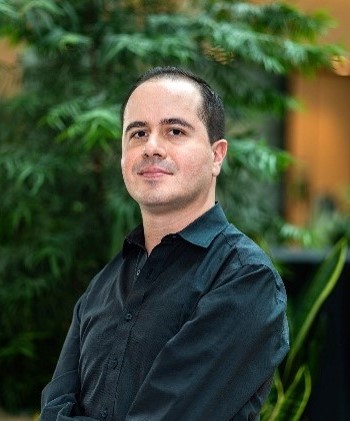
Assistant Professor
Department of Medicine
Division of Gastroenterology and Hepatology
Dr. Ornelas Sanchez is an Assistant Professor in the Department of Medicine, Division of Gastroenterology and Hepatology. He earned his PhD in Organic Chemistry from the University of Texas at El Paso under the mentorship of Dr. Katja Michael, where his research spanned biomaterials for tissue engineering and the synthesis of parasiticidal and antineoplastic compounds through interdisciplinary collaborations. He completed postdoctoral training in Dr. Sean Colgan’s laboratory at CU Anschutz, where he transitioned from chemistry-focused research to applying his chemistry background to answer questions in mucosal biology. His laboratory now focuses on developing targeted protein degradation compounds (PROTACs) and metabolite-mimicking therapeutics for mucosal inflammation. In his TRSP-funded project, Dr. Ornelas and collaborators are integrating computational modeling with high throughput screening to identify metabolite mimetics that maximize intestinal wound healing. Lead compounds with the greatest therapeutic potential will be evaluated in vivo using colon-targeted delivery technologies. His research is funded by a K01 award from the NIH/NIDDK and a CU Anschutz Department of Medicine Scholarship.
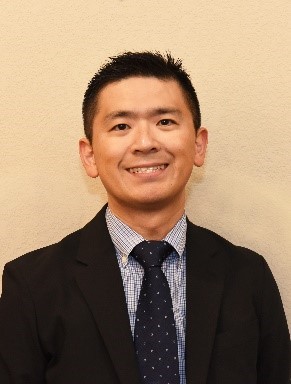
Position: Assistant Professor
Department of Pediatrics
Section of Rheumatology
Dr. Yomogida received his MD from Nippon Medical School in Japan, completed pediatric residency at William Beaumont Hospital in Michigan, and pursued pediatric rheumatology fellowship and postdoctoral training at Washington University in St. Louis. He launched his lab at the University of Colorado in 2023, where he studies the pathogenesis of child-onset autoimmunity. The lab’s current focus is innate immune cells and the transcriptional programs governing lymphocyte development and function in the context of autoimmunity. His TRSP award will support the study of immune cell–stromal cell crosstalk in synovial tissue from children with arthritis.
David Schwartz, MD
Program Director
[email protected]
Jennifer Kemp, PhD
Associate Program Director
[email protected]
Sarah Miller
Business Coordinator
[email protected]