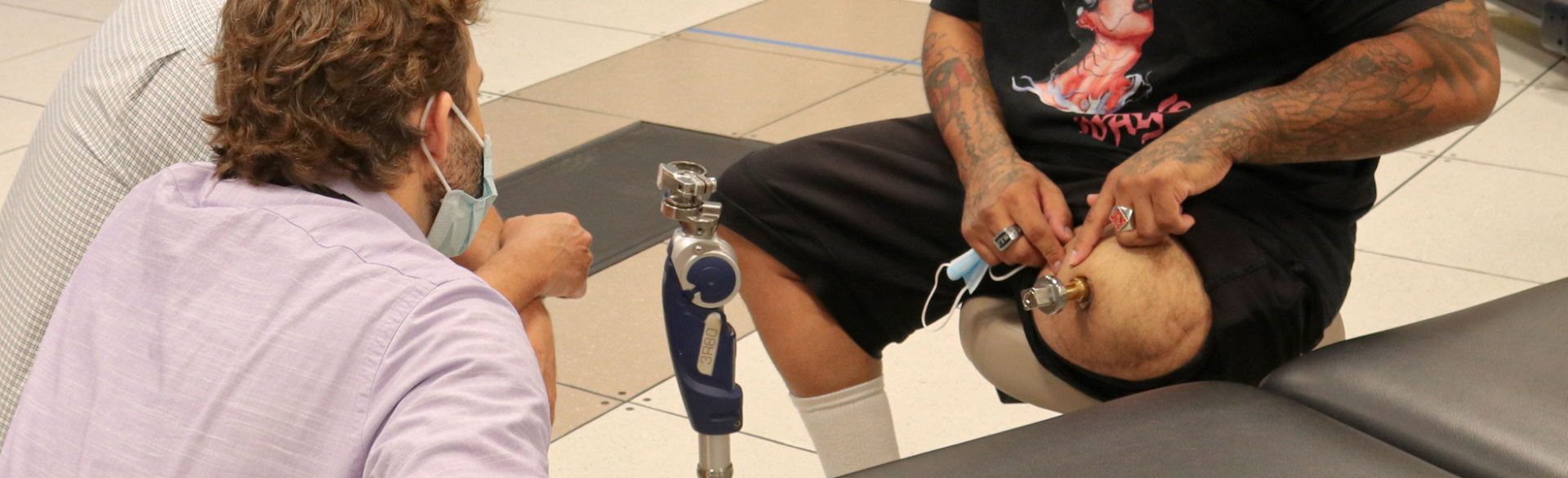
When David Schlicht completed an aerial ski jump at the Park City Utah Olympic Park three years ago, his aspirations were as high as the air he caught on the cork 720 trick he landed.
While early evidence suggests improvement in joint and limb loading mechanics during walking with a bone-anchored limb compared to socket prosthesis use, a team of researchers found
The University of Colorado Limb Restoration Program is the first of its kind to deliver holistic, patient-centered care to people living with limb loss or who are at risk of losing a limb. Based at UCHealth University of Colorado Hospital on the CU Anschutz Medical Campus, the program provides comprehensive orthopedic, vascular, wound and rehabilitative care to a growing number of patients with complex extremity injuries.
This episode of the AC News Flash features Cass Isidro and Dr. Danielle Melton. Dr. Melton, is a new Amputee Coalition board member and director of the Amputee Medicine and Rehabilitation Program at the University of Colorado School of Medicine.
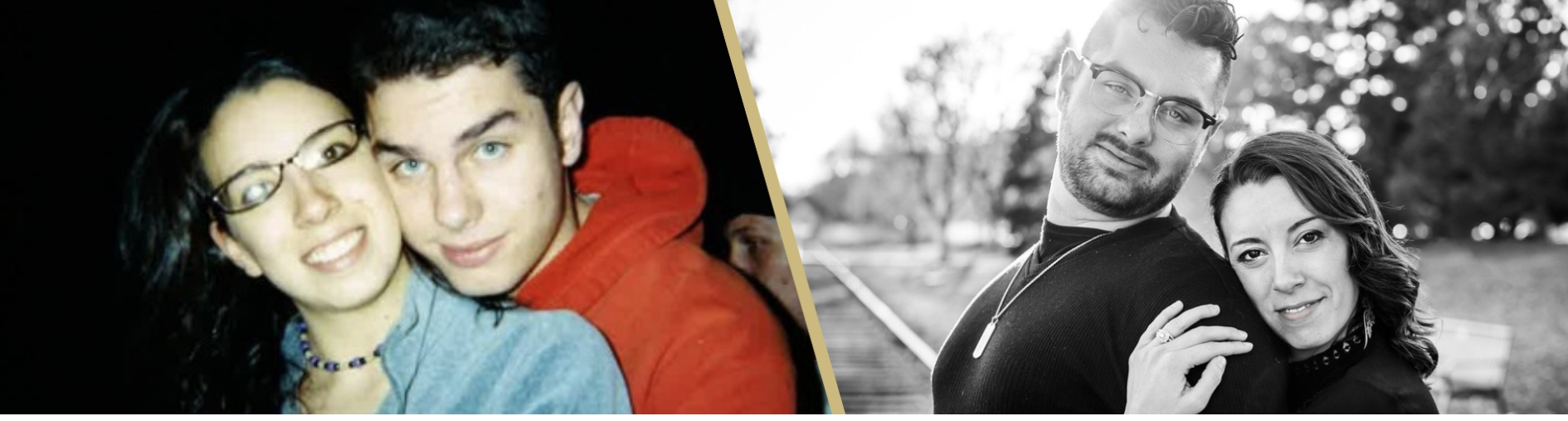
For Josh and Melissa Bryan, it was love at first sight. Though these high school sweethearts parted ways when Melissa went to college, they rekindled their relationship five years later at a family wedding.
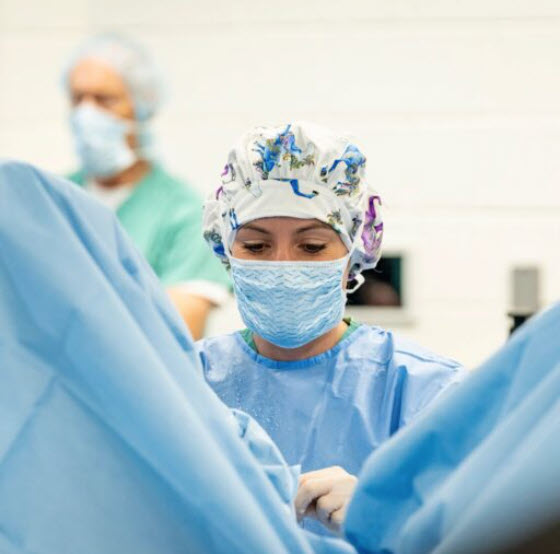
It was early November, and Dr. Lynn Pezzanite was standing in an operating room at Colorado State University’s Translational Medicine Institute, flanked on either side by two of her most influential mentors, Dr. Laurie Goodrich and Dr. Jason Stoneback. Goodrich and Stoneback had scrubbed in to assist on a pair of equine surgeries tied to Pezzanite’s first research grant as the principal investigator.
In episode 12, host Seth O'Brien, CP, FAAOP(D), sits down with Dr. Jason Stoneback, chief of orthopedic trauma and fracture surgery, and the director of the limb restoration and osseointegration programs at the University of Colorado Hospital. The two talk about bone-anchored prosthetics, Stoneback's introduction to osseointegration, different approaches to the procedure, and the FDA approval status.
Dr. Danielle Melton plays a key role in promoting data-driven care in the field of Orthotics and Prosthetics (O&P). She is the director of amputation medicine and rehabilitation and an associate professor in the Department of Physical Medicine and Rehabilitation at the University of Colorado. As a member of the Executive Advisory Panel to the Limb Loss & Preservation Registry (LLPR), she advocates for the aggregation of data from O&P facilities and hospital systems to provide evidence-based information for clinical decision-making.
By joining the LLPR, facilities can contribute de-identified data on patients with limb loss and preservation to create a comprehensive national database. This data can be used to analyze treatment pathways, rehabilitation timelines, and long-term outcomes for patients with similar characteristics. Dr. Danielle Melton believes that using such data will help justify medical necessity for insurance reimbursements and enable clinicians to provide patients with more informed care based on benchmarked outcomes for specific patient groups. Overall, she emphasizes that the transition to data-driven care is essential for improving patient outcomes and aligning with changing industry expectations.
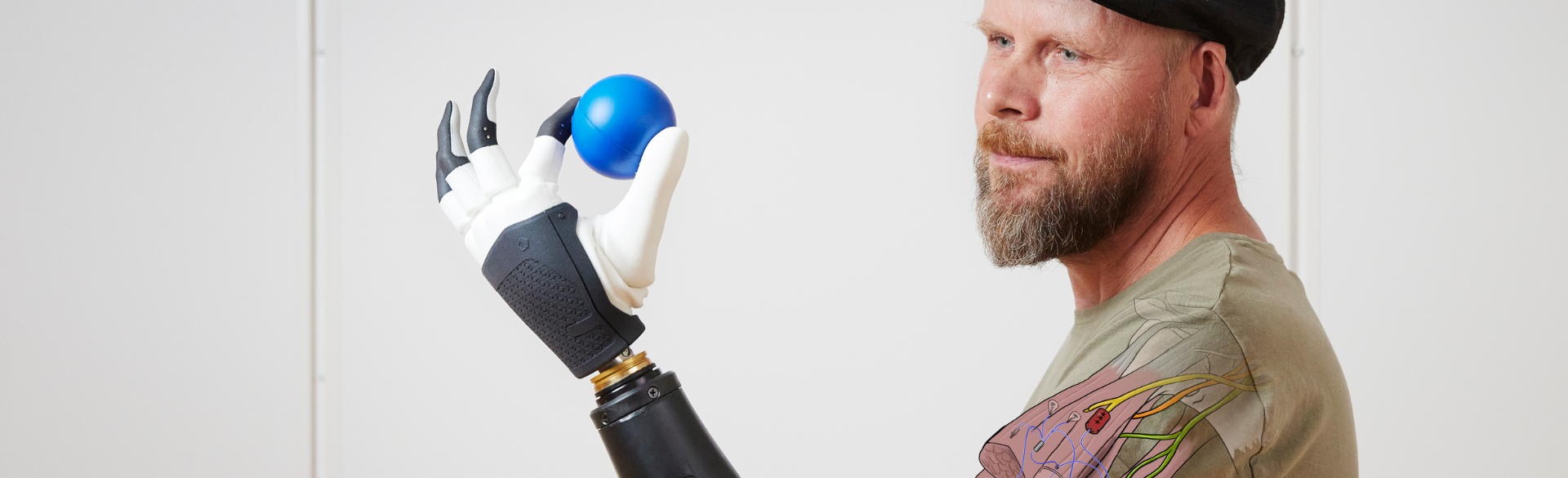
Eric J. Earley, PhD, was part of a Swedish research team that developed a system allowing people with amputations above the elbow achieve an unprecedented level of control over the individual fingers on a bionic hand. Eric J. Earley, PhD, a new faculty member in the Department of Orthopedics in the University of Colorado School of Medicine, is bringing his expertise in prosthetic limbs to the department’s Osseointegration Research Consortium. Led by Jason Stoneback, MD, the lab is focused on developing and improving bone-anchored limb technology aimed at creating prosthetic limbs that can be directly inserted into bones, as opposed to the traditional prosthetic that attaches via a socket that goes around the outside of the limb.