John Balbus, MD, MPH, established and directed the Office of Climate Change and Health Equity in the US Department of Health and Human Services from 2021-2025, after twelve years as Senior Advisor for Public Health to the Director of the National Institute of Environmental Health Sciences. Prior to joining NIEHS, Dr. Balbus was the Chief Health Scientist at the Environmental Defense Fund and an Associate Professor of Environmental and Occupational Health at the George Washington School of Public Health and Health Services. He received his MPH degree from the Johns Hopkins School of Hygiene and Public Health, his MD degree from the University of Pennsylvania, and his undergraduate degree in Biochemistry from Harvard University. He was elected to the National Academy of Medicine in 2021. Today he is a principal at Climate Care Consulting, LLC and a Senior Advisor for the Federation of American Scientists.
Michael Booth is co-author with Jennifer Brown of the Colorado Book Award-winning food safety investigation “Eating Dangerously.” Booth was part of teams that won two Pulitzer Prizes for breaking news. He also writes frequently about inexplicable obsessions that include tamarisk, black-footed ferrets and tire fires. Booth also serves as the underpaid driver for four children, and plans to eventually hike every inch of Colorado. Stories by Booth on cleaning up the Arkansas River and the mixed legacy of radiation pollution at Rocky Flats received this year first-place honors in the four-state Top of the Rockies journalism awards.
Job title: Environment, climate and water reporter
Location: Denver
Language(s) in addition to English: Is northern Minnesota English an option?
Education: Macalester College
Honors & Awards: Member of two Pulitzer Prize-winning teams for Breaking News; Top of the Rockies beat reporting; National Education Writers Feature Writing; Colorado Book Award for Nonfiction
Cathy J. Bradley, PhD, is Dean of the Colorado School of Public Health, Deputy Director of the University of Colorado Cancer Center, and the Paul A. Bunn, Jr. Endowed Chair in Cancer Research. A health economist, she previously served as founding Chair of the Department of Healthcare Policy and Research at Virginia Commonwealth University School of Medicine.
Bradley’s research examines the intersection of employment, health insurance, and cancer, with particular focus on financial burden, health disparities, and policies affecting patients, families, and caregivers. She is also an expert in Medicaid and the use of administrative data to study health disparities. Since 1998, she has been continuously funded as a principal investigator by the National Institutes of Health.
Bradley has served on numerous national advisory committees, including the National Academies’ National Cancer Policy Forum, and currently serves on the Patient-Centered Outcomes Research Institute Methods Committee. She is an Associate Editor of the Journal of the National Cancer Institute and has received numerous honors for her scholarship and leadership.
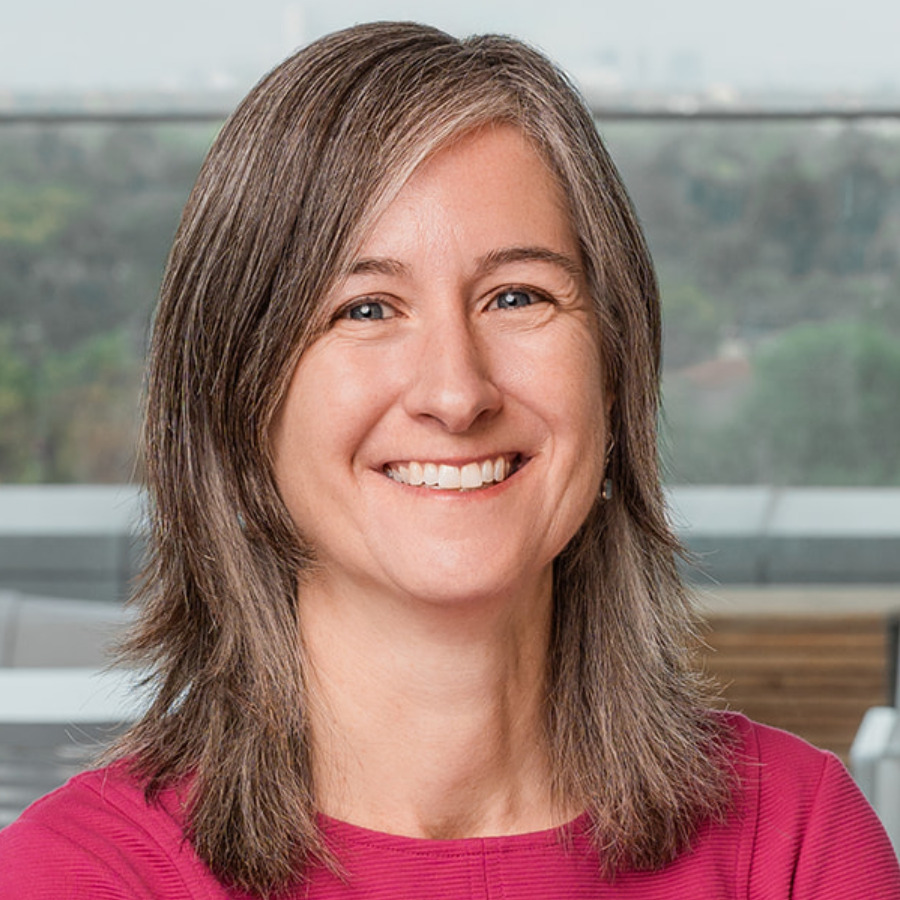
Elizabeth Carlton, PhD, MPH, is a professor and Chair of the Department of Environmental & Occupational Health at the Colorado School of Public Health. She is an environmental epidemiologist who studies how infectious diseases spread, how climate change is altering infectious disease distributions, and how we can improve our ability to track emerging and endemic infectious disease threats. She is currently leading efforts to promote innovation and collaboration on climate and health issues in Colorado. She is an expert on the impacts of climate change on waterborne diseases and her work has been cited by the Intergovernmental Panel on Climate Change and the National Climate Assessment.
Dr. Carlton teaches courses on environmental and occupational epidemiology, the health impacts of climate change, and the emergence and control of infectious diseases. She leads the Doctor of Public Health program in Environmental and Occupational Health and serves as a scientific advisor to the National Institutes of Health Tropical Medicine Research Centers. She previously led a long-term study of the neglected tropical disease, schistosomiasis. She received her PhD in Environmental Health Sciences from the University of California Berkeley, her MPH from the Mailman School of Public Health at Columbia University, and her BS in biology from Yale University. Prior to graduate school, she was a Peace Corps Volunteer in Honduras.

Dr. Bhargavi (Bhar) Chekuri (she/her) is an assistant professor of family medicine at the University of Colorado, and also faculty at the CU Climate and Health Program where her focus is graduate and continuing medical education. To that end, she directs the Climate & Health Science Policy Fellowship and the Diploma in Climate Medicine. Her current areas of interest include the intersection of primary care, community medicine and climate change with a focus on systems medicine and health and gender equity. She has served as a technical contributor to the 5th National Climate Assessment, attended and presented at multiple United Nations Climate Change Conferences and is a fellow at the Payne Institute of Public Policy. She is also co-chair of the Planetary Health Collaborative at the Society of Teachers of Family Medicine. Prior to her climate medicine work, she completed her residency training at New Hampshire Dartmouth and attended medical school in Australia.

Harmony Cummings is the Director of the Green House Connection Center, a community space located in N. Denver that pairs music and the arts with elevating excluded voices in environmental and public health policy spaces. The Green House has been Party to the following rulemakings; Air Toxics, GEMM2, Cumulative Impacts and Produced Water. Harmony is also a member of Colorado's Produced Water Consortium, the Produced Water Emissions Working Group and ECMC's Form 2B Cumulative Impacts Working Group. Most importantly, Harmony is a mother of 2 wonderful boys and works passionately to protect the future for her children and all the children of Colorado.
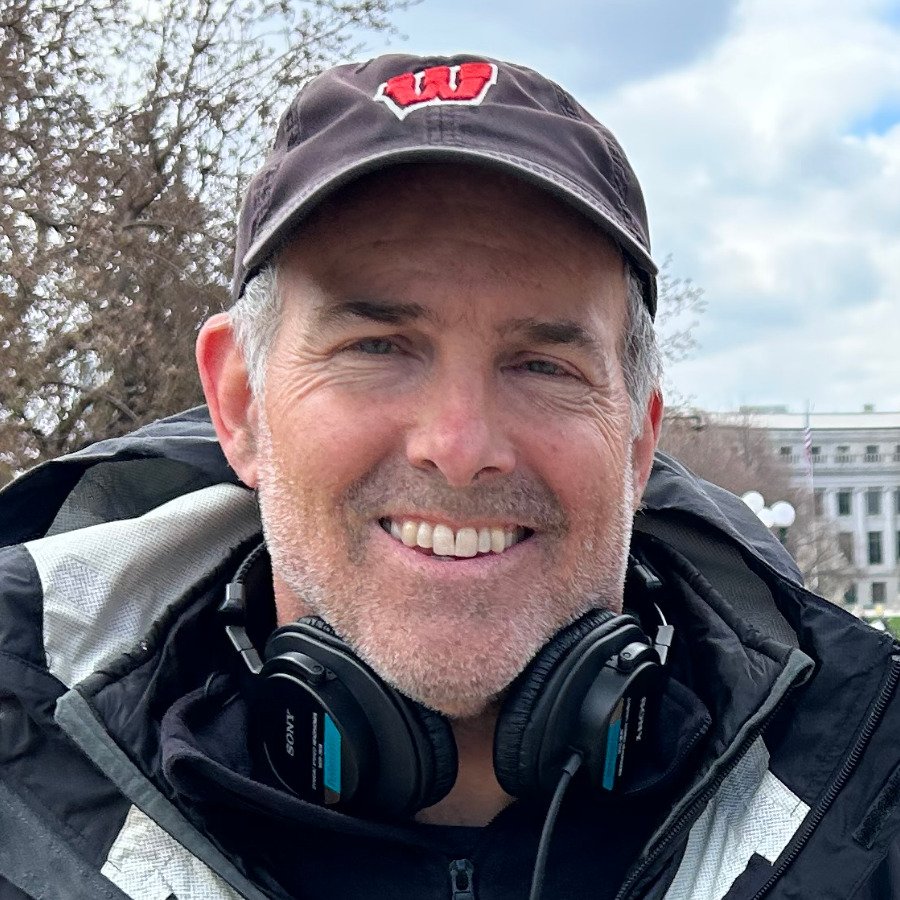
John is the health reporter for CPR News. He's also a Denverite — born here, raised here, a product of Denver Public Schools and proud alum of Manual High. Go Thunderbolts! He left Colorado and lived elsewhere for a long while, then came back to the land of sunshine and 14ers and the city with a decent omelette to its name and occasionally title-winning sports squads. In the interim, he’s covered tornados, avalanches, heat waves, Olympic games, trials, elections, scandals, bungee-jumping, a great many human triumphs, and, once, at a state fair, a butter cow (literally a cow made of butter).

Dr. Katie Dickinson is an Associate Professor with tenure of Environmental and Occupational Health in the Colorado School of Public Health, and a JPB Environmental Health Fellow. Her interdisciplinary research examines environmental and climate issues and the impacts of policies and programs on health and social outcomes. International projects have addressed problems at the nexus of environmental quality, economic development, and human health, including water and sanitation, household energy and air pollution, and mosquito-borne diseases. Domestically, she has studied drivers of environmental health in the context of wildfire, infectious disease (including COVID-19 and mosquito-borne disease), and oil and gas development.
Dr. Dickinson has a passion for teaching students about environmental and occupational health policy, and how public health professionals can partner with change-makers at different levels to build healthier and more resilient communities where everyone can thrive. Katie enjoys spending time with her three bright and witty children and her husband Caleb, who serves as a City Council member in their hometown of Louisville, Colorado.

With 28 years of experience teaching science at the secondary level, Doug Eccher has spent the past 12 years at Peak Academy, a public hybrid school in Montrose, Colorado. At Peak Academy, he teaches science across grades 7–12 in a learning model that combines online instruction with hands-on, in-person experiences.
A strong emphasis of his program is connecting students with their community through authentic environmental research. Students participate in air and water quality monitoring, remote sensor data collection, and other field-based investigations that allow them to work with real-world scientific data. His program also incorporates drone technology, giving students opportunities to use aerial mapping, wildlife inventories, agricultural applications, and other emerging technologies to investigate problems and collect data.
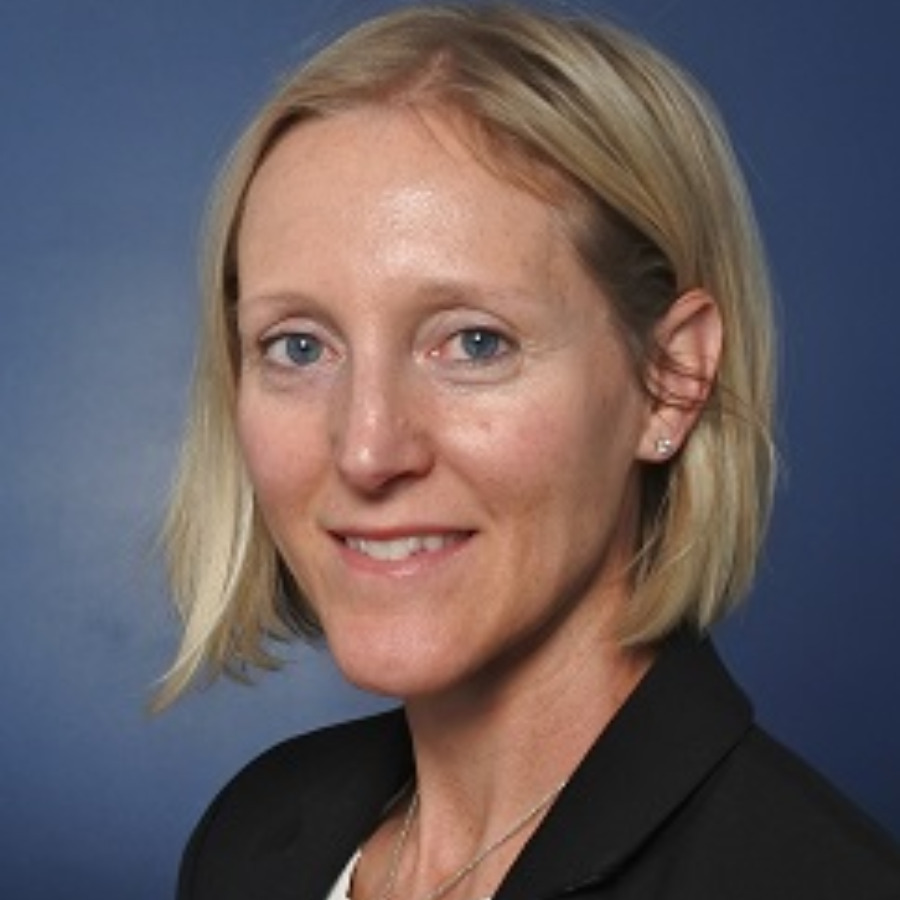
Dr. Beth Gillespie is a hospital-based internist at Denver Health Hospital, Assistant Professor in the School of Medicine at University of Colorado, and Director of Undergraduate Medical Education for CUSOM Climate and Health Program, where she runs the biannual selective, Climate Change and Environmental Health, and works on curricular integration of planetary health concepts. Dr. Gillespie's primary professional interest is in clinical research and education surrounding the climate and health nexus, with particular focus on understanding the ideal role for local health systems in climate change mitigation and adaptation.
She held a leadership position representing the Society of General Internal Medicine on the Steering Committee for The Medical Consortium on Climate Change and Health, and is founding member of SGIM’s environmental health interest group which authored SGIM’s Position Statement on Climate and Health and advocates for more cross-cutting sustainability practices in the organization. Locally, Dr. Gillespie co-chairs the Environmental Sustainability Committee at Denver Health.
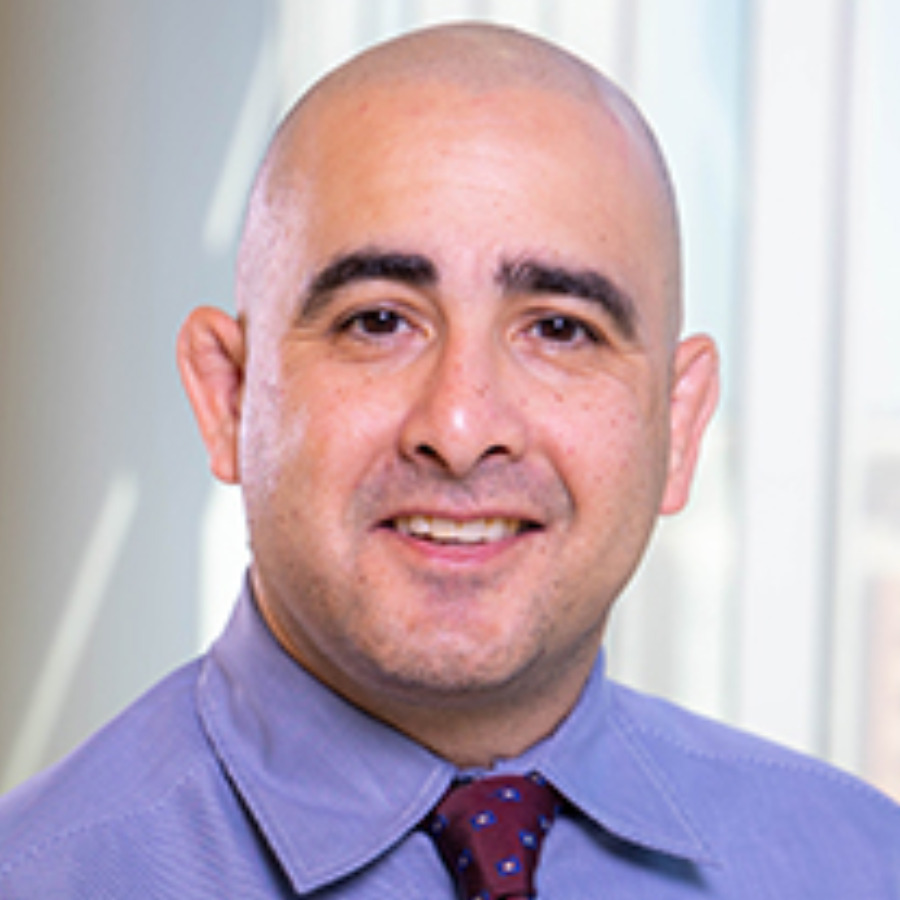
Dr. Daniel S. Goldberg is trained as an attorney, an historian, and a public health ethicist. He uses methods drawing primarily from public health law, public health ethics, and the history of public health (focusing on 19th and early 20th c. US).
His specific areas of expertise include the social determinants of health and health inequities, structural violence and health, chronic illness and noncommunicable disease, and structural stigma. He has studied chronic pain for 15 years and has focused much of his recent work on using legal and policy mechanisms to ameliorate structural stigma. He has also developed a research program using tools from the emerging discipline of legal epidemiology to advance health justice.
Finally, he has a line of research on conflicts of interest as a population health hazard, regulatory capture as governance failure, and the manufacture of doubt. Most recently, he has applied these lenses to problems of traumatic brain injury and collision sports.
Chris Hanley is Director of the National Academy of Medicine’s Grand Challenge on Climate and Health, where he leads efforts to advance action at the intersection of climate change and human health. The Climate Grand Challenge is a multi-year global initiative focused on improving and protecting human health and well-being by transforming systems that both contribute to and are affected by a changing climate. Its work spans health sector sustainability and resilience, climate and health research and innovation, community-driven solutions, communications, and broader systems transformation.
Throughout his career, Chris has focused on bringing people and organizations together to address complex challenges and translate ambitious ideas into action. At NAM, his work helps connect leaders across health care, research, communities, government, and other sectors to strengthen collaboration and accelerate progress on climate and health. The Climate Grand Challenge serves as a hub for this work, advancing solutions that protect public health, strengthen resilience, reduce climate-related health disparities, and support a healthier and more sustainable future for all.
Logan Harper is a family physician and Assistant Director of the Climate and Health Science Policy Fellowship at the University of Colorado. As a recent fellow himself, his work focused on translating climate and health evidence into public policy and community-level action. He has worked with the Centers for Disease Control and Prevention to expand the impact of the CDC’s Heat and Health Initiative, partnered with EcoAmerica and the American Public Health Association to develop an in-depth training on heat illness prevention for health professionals, and led a collaboration between the City of Denver and community health organizations to improve heat resilience in some of the city’s most vulnerable neighborhoods. His current focus is working to connect the CU Climate and Health Program with regional partners, with the goal of maximizing the program’s impact on Colorado’s climate resilience.
Dr. Katherine A. James is an engineer and epidemiologist whose work examines environmental and climate-related determinants of health in rural and underserved communities across the Mountain West. Trained in biological and environmental engineering (BS, MS) with a PhD in Epidemiology, she leads research on the cardiometabolic, renal, and developmental health impacts of arsenic, cadmium, and other metals.
Dr. James is Principal Investigator of an NIH R01 investigating how drought influences arsenic exposure and cardiometabolic outcomes in an aging rural population. She is also Co-Lead of the NIH-funded Mountain West PACE-H Hub, advancing climate and environmental health equity through community-driven research, training, and capacity-building.
With more than two decades of community-based research experience, Dr. James develops place-based strategies to strengthen climate resilience and reduce environmental health risks across rural and tribal communities. Her transdisciplinary work bridges environmental science, epidemiology, and community priorities, with particular emphasis on drinking water quality, drought, cardiovascular health, and sustainable, equity-centered partnerships.
Taylor Kirby is a Quality Manager at Epic and leads the company's Green Healthcare working group, where she works with health systems across the Epic community to leverage Epic tools for environmental sustainability, climate resilience, and environmentally-informed patient care. Through the initiative, she facilitates knowledge-sharing, community education, and practical implementation strategies that help organizations reduce their environmental footprint and better address the climate-related health needs of their patients. She holds a Master of Science in Sustainable Management and is dedicated to advancing the role of health informatics in building a more sustainable and climate-resilient healthcare system.
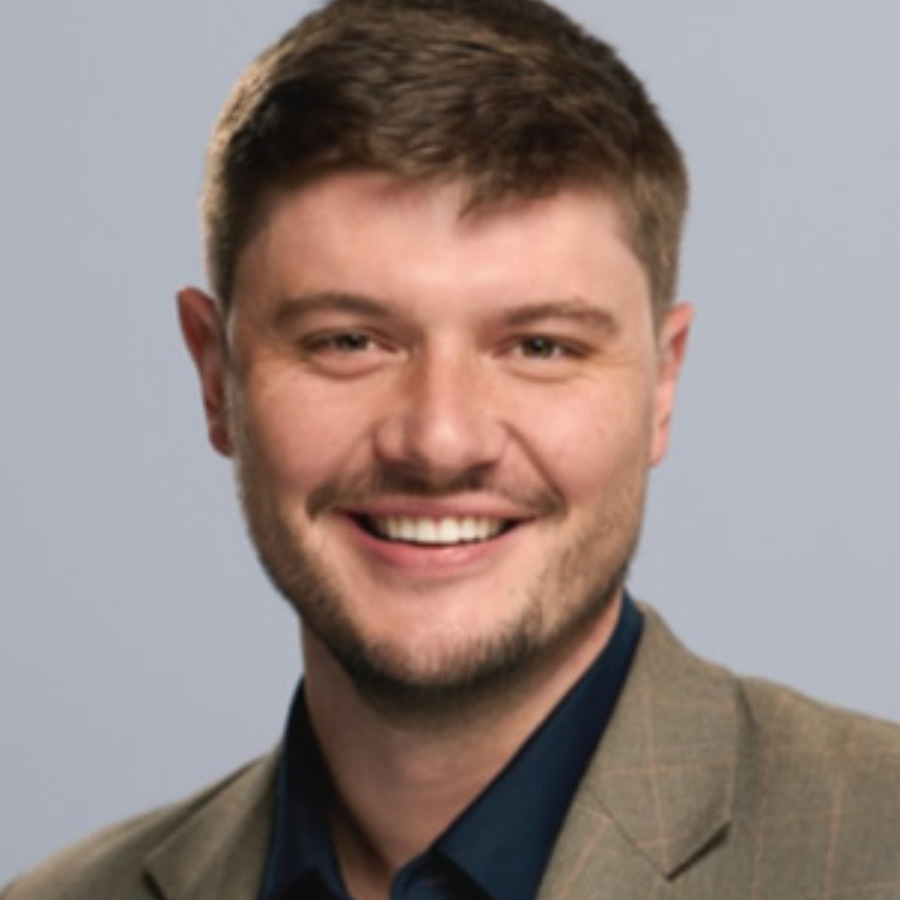
David Leathers is Director of Climate & Extreme Weather at the Health Action Alliance, where he leads Extreme Weather + Work, a U.S. initiative helping employers protect their workforces from extreme weather across a network of 11,000+ employers reaching more than 50 million workers. The program is advised by the National Commission on Climate and Workforce Health. David has spent a decade across business, climate, and social impact, leading standards implementation at B Lab for 10,000+ Certified B Corporations and serving on Deloitte's Global Sustainability and Purpose team.
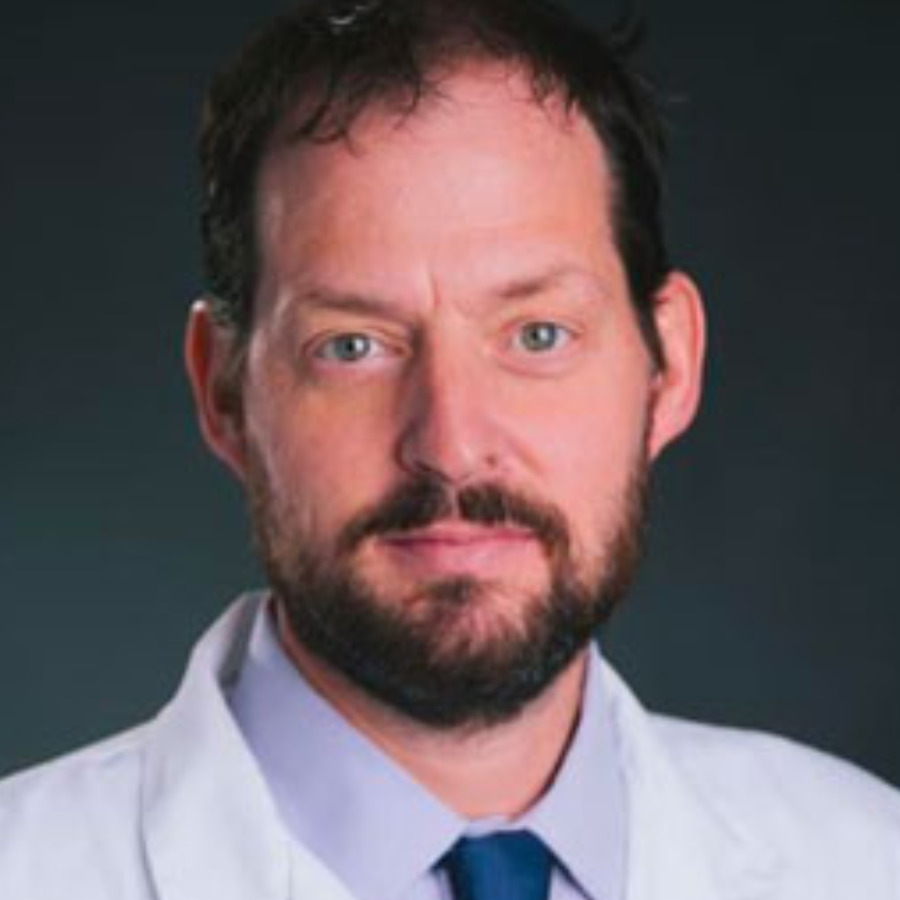
Jay Lemery, MD, is the Climate & Health Foundation Endowed Chair in Climate Medicine and Professor of Emergency Medicine at the University of Colorado School of Medicine, with a secondary appointment at the Colorado School of Public Health. A Past-President of the Wilderness Medical Society, his expertise spans austere and remote medicine and the health impacts of climate change.
Lemery serves as Medical Director for the National Science Foundation’s Polar Research program and recently served as Clinical Scientist for NASA’s Human Research Program. His DoD-funded Cryosphere Austere Medicine Platform studies human and materiel performance in extreme cold environments.
At CU, he co-founded and directs the Climate & Health Program and has led pioneering educational initiatives, including the nation’s first climate and health science policy fellowship, the award-winning Diploma in Climate Medicine, and innovative MD/PhD and MD/MS degree programs. He is co-author of Enviromedics and lead editor of Global Climate Change and Human Health. In 2021, he was elected to the National Academy of Medicine.
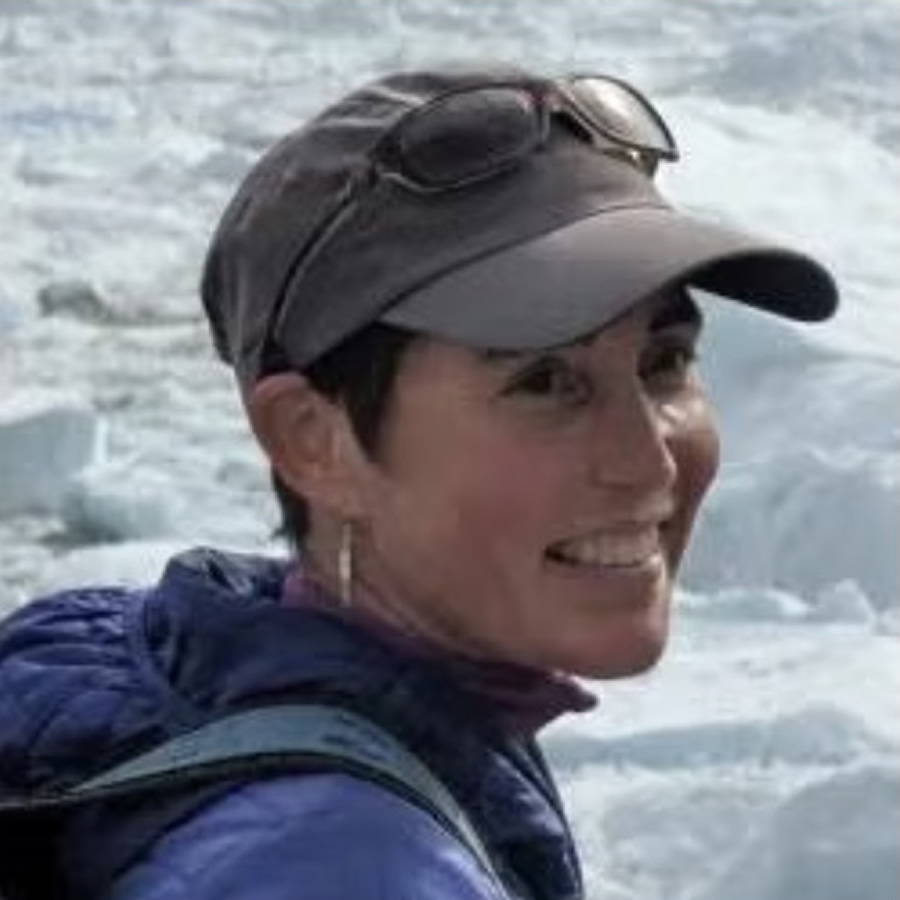
Dr. Twila Moon is Senior Scientist at the University of Colorado Boulder’s Cooperative Institute for Research in Environmental Sciences (CIRES), a global leader in Earth science. Dr. Moon acts as Deputy Lead Scientist at the National Snow and Ice Data Center and founder and instructor for Engage Climate Science, which brings science-based insights and tools to professionals across business, finance, philanthropy, media, and policy.
A world-renowned glaciologist, Dr. Moon specializes in the connections across ice, climate, ocean, ecosystem, and society. Her pioneering research focuses on Greenland and the Arctic and has been published in high-impact journals such as Science and Nature and received global media coverage. She is a sought-after speaker, trainer, and media contact, called upon to link the dots across climate science, societal impacts, and the strategic planning and decision making needed to realize our best possible future.
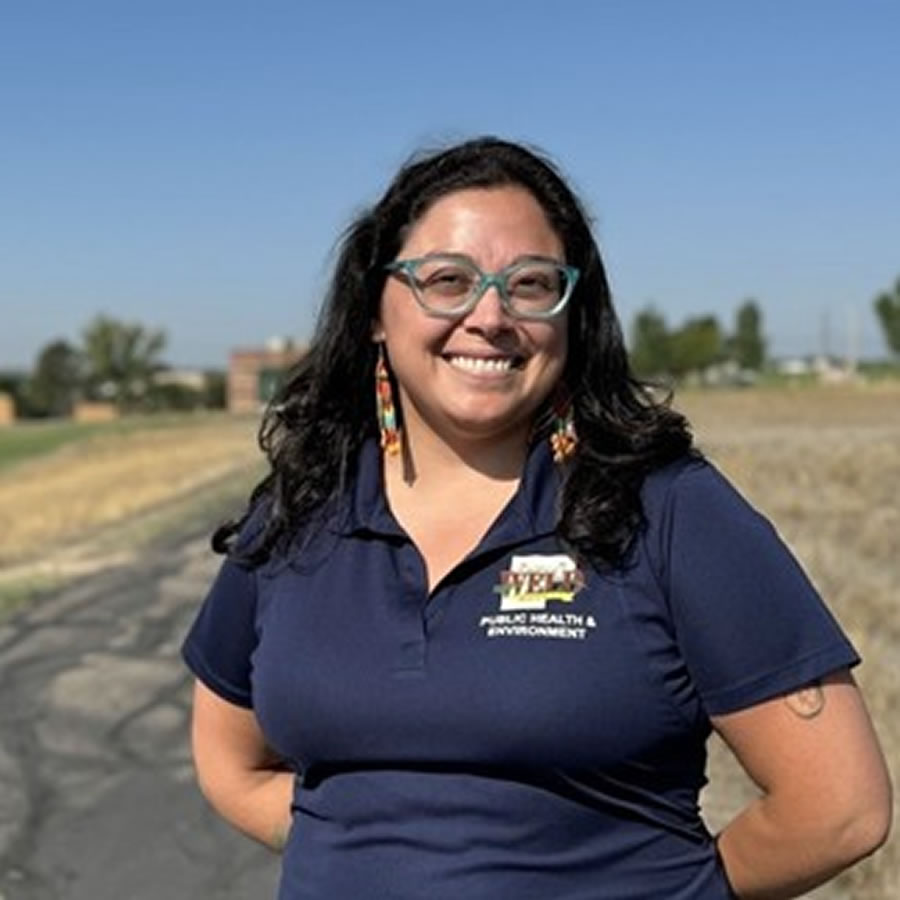
Dr. Annareli Morales works as air quality policy analyst at the Weld County Department of Public Health and Environment in northern Colorado. She serves as a resource on air quality related topics for boards, staff, local governments, and the general public across Weld County. She has a PhD in atmospheric science from the University of Michigan and is trained as a research scientist with extensive experience in science communication, outreach, and education.
Nathan Morris, Ph.D., has spent his career studying how the human body regulates temperature. Now an Assistant Professor of Human Physiology and Nutrition at the Helen and Arthur E. Johnson Beth-El College of Nursing and Health Sciences, Morris leads research that blends physiology and hands-on student involvement.
Today at UCCS, Morris continues bridging the gap between laboratory research and real-world health challenges. His research explores improving treatment standards for hyperthermia in emergency departments, understanding sex differences in cold tolerance, studying how chemicals influence temperature-sensitive nerve receptors and examining how heat affects behavior.
One of Morris’ primary projects focuses on improving treatment for patients who arrive at emergency departments with hyperthermia, a condition where the body’s temperature becomes dangerously elevated. Despite its severity, there is currently no standardized national or international protocol for treatment.

Kimberly Muller is the Vice Chancellor for Innovation and Biotechnology and Executive Director of CU Anschutz Innovations. Kimberly’s business development responsibilities include investing, company creation, innovation management, forming key strategic industry partnerships, and licensing. Large-scale industry collaborations have been established in areas such as AI and drug development. She also manages several investment funds, including a $10 million innovation grant fund, a $50 million early-stage venture fund, a $75 million follow-on fund, and partners with UCHealth on a $100 million growth stage fund.
Kimberly joined the University of Colorado from Yale University where she was formerly the Deputy Director of the Yale Entrepreneurial Institute (YEI), and managed New Ventures in the Office of Cooperative Research. Previously, Kimberly started and sold companies in the biotech, tech, and clean energy fields, companies included Curagen Corporation (acquired by Celldex Therapeutics), 454 Life Science (acquired by Roche), and Arbor Fuel, a biofuel company that utilized recombinant microorganisms for the production of ethanol and butanol. Kimberly began her career in New York as a patent attorney for Chadbourne and Parke, LLP.
Kimberly has a graduate degree in Genetics and received her law degree with highest honors from the University of Connecticut School of Law.
Dr. Newman is a physician-scientist, public health practitioner, and educator. He is a distinguished university professor in the Departments of Environmental & Occupational Health and Epidemiology at the Colorado School of Public Health and the Division of Pulmonary Sciences and Critical Care Medicine at CU School of Medicine. He is the founding director of two national centers supported by the CDC/National Institute for Occupational Safety and Health (NIOSH): the Center for Health, Work & Environment, and the Mountain & Plains Education and Research Center. He co-founded Health Links™ and the ColoradoSPH Certificate in Total Worker Health®.,. Dr. Newman’s research program is largely supported by the National Institutes of Health, the U.S. Department of Energy, the CDC/ National Institute for Occupational Safety and Health, among other agencies and organizations.

Ekshika Patel is a 4th year medical student who is passionate about the arts and humanities in medicine and community integration. She has been part of Raising Environmental Awareness for Community Health (REACH) since her first year of medical school, serving as president for the past two years. Her favorite part about REACH is getting to hang out with elementary school students and do fun activities with them, especially making solar paneled ovens to bake s’mores. When she’s not in school, she enjoys hiking, camping, playing pickleball, hosting game nights, or having themed dinner parties with her friends!
Maxine Pepper is a Research Fellow and PhD candidate at the London School of Hygiene & Tropical Medicine. With a background in epidemiology, her work sits at the intersection of maternal & newborn health and climate change-related exposures. Using large-scale administrative data from Brazil and environmental epidemiological methods, her research aims to generate robust, policy-relevant evidence on the health impacts of environmental exposures during pregnancy and early life.
I am a geographer whose research focuses on the intersections of climate-health, social vulnerability, disaster risk reduction, and climate justice, with regional interests in Latin America and underserved communities in the U.S. As an avid climate-health and climate and society researcher, my scholarship strives to elucidate how communities interact with the many facets of climate and how those interactions influence the health and social vulnerability of populations and places. I am also interested in understanding how public health and communities respond to and cope with weather, water, and climate-related hazards and disasters, as well as ethical and justice implications.

Dr. Radhika Ratnabalasuriar is a medical epidemiologist with Colorado Department of Public Health and Environment where she focuses on the human health effects of heat and wildfires. She trained at The University of Arizona for both medical school and emergency medicine residency before settling in Colorado. She brings over a decade of experience as a frontline board certified emergency physician. Her passion is to bridge the gap between clinical bedside medicine and public health initiatives to ensure patients receive the best care to stay healthy.
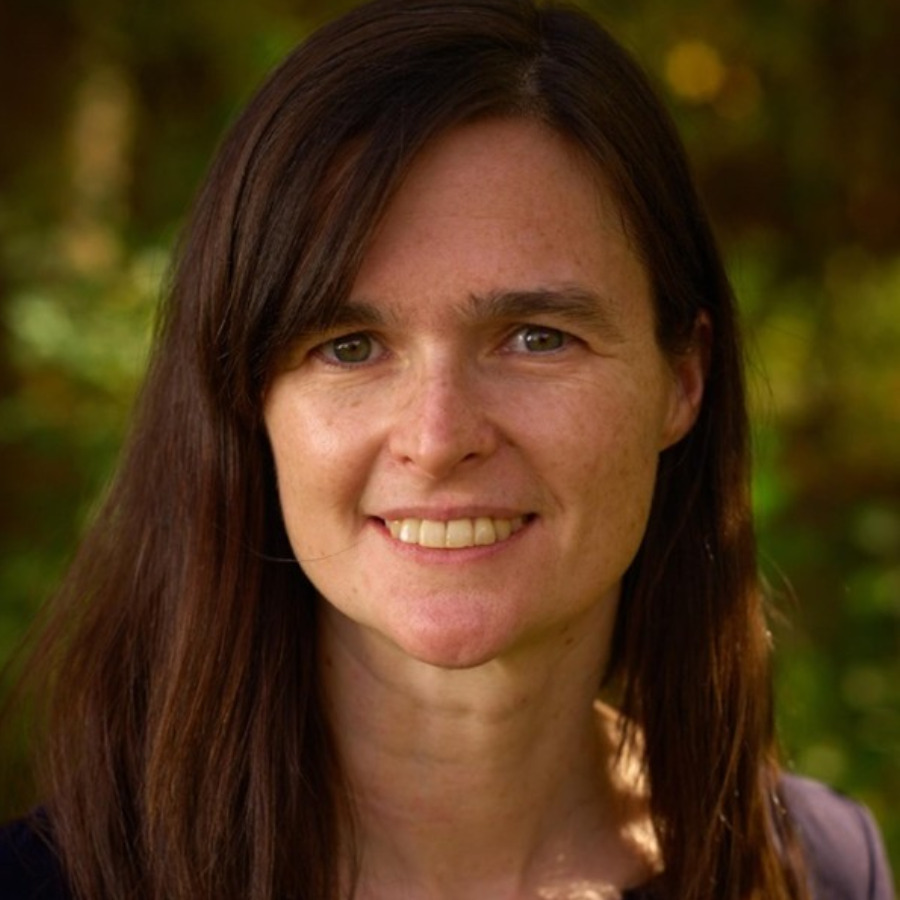
I study how environmental and social exposures interact to influence health with a particular focus on exposures caused by global climatic changes and society’s responses to those changes. To date my research has focused on the health impacts of exposure to air pollution from wildfires, extreme heat events, and proximity to urban vegetation. I have received funding for my research from the EPA, NSF, CDC, the Robert Wood Johnson Foundation, and the JPB Foundation. Prior to becoming an assistant professor in Geography at the University of Colorado, Boulder, I was a post-doctoral fellow at the Harvard Chan School of Public Health. I completed my Ph.D. in Environmental Health Sciences at the University of California, Berkeley in 2014, a Masters of Public Health in 2007 from the University of California Berkeley, and a Bachelor of Science from Brown University in 2000.

Caitlin Rublee, MD, MPH, is an Assistant Professor of Emergency Medicine at the University of Colorado School of Medicine and Colorado School of Public Health. She serves as Chair of the Medical Society Consortium on Climate and Health. She is a Term Member with the Council on Foreign Relations and was the 2022-2024 American Board of Emergency Medicine National Academy of Medicine Fellow. Dr. Rublee completed a Climate and Health Science Policy Fellowship; the Lancet Commission Teacher Training Fellowship on Medicine, Nazism, and the Holocaust; and the Fellowships at Auschwitz for the Study of Professional Ethics. She continues to advance international climate justice by linking research to policy for the health of those most affected by the climate crisis.
Jonathan M. Samet, MD, MS, a pulmonary physician and epidemiologist, is the past dean of the Colorado School of Public Health and Professor of Epidemiology and Occupational and Environmental Health. Previously, Dr. Samet held leadership positions at the University of Southern California, the Johns Hopkins Bloomberg School of Public Health, and the University of New Mexico.
Dr. Samet has served on and chaired numerous committees of the National Research Council and Institute of Medicine, also chairing the Clean Air Scientific Advisory Committee of the U.S. EPA and the FDA’s Tobacco Products Scientific Advisory Committee. Dr. Samet has served as editor and author for Reports of the Surgeon General on Smoking and Health since 1984, receiving the Surgeon General’s Medallion in 1990 and 2006 for these contributions. He was the Senior Scientific Editor for the 50th Anniversary 2014 report. He was elected to the National Academy of Medicine (Institute of Medicine) of the National Academies of Sciences in 1997 and received the David M. Rall Medal for his contributions in 2015.

Wyatt Sassman is an Associate Professor at the University of Denver Sturm College of Law. Professor Sassman teaches the Environmental Law Clinic, where he supervises students representing local communities and citizen advocacy groups in a wide range of environmental matters. Professor Sassman and his students represent communities before administrative agencies and federal and state courts, including Colorado's water courts. Professor Sassman also teaches courses on Natural Resources Law and Environmental Justice.
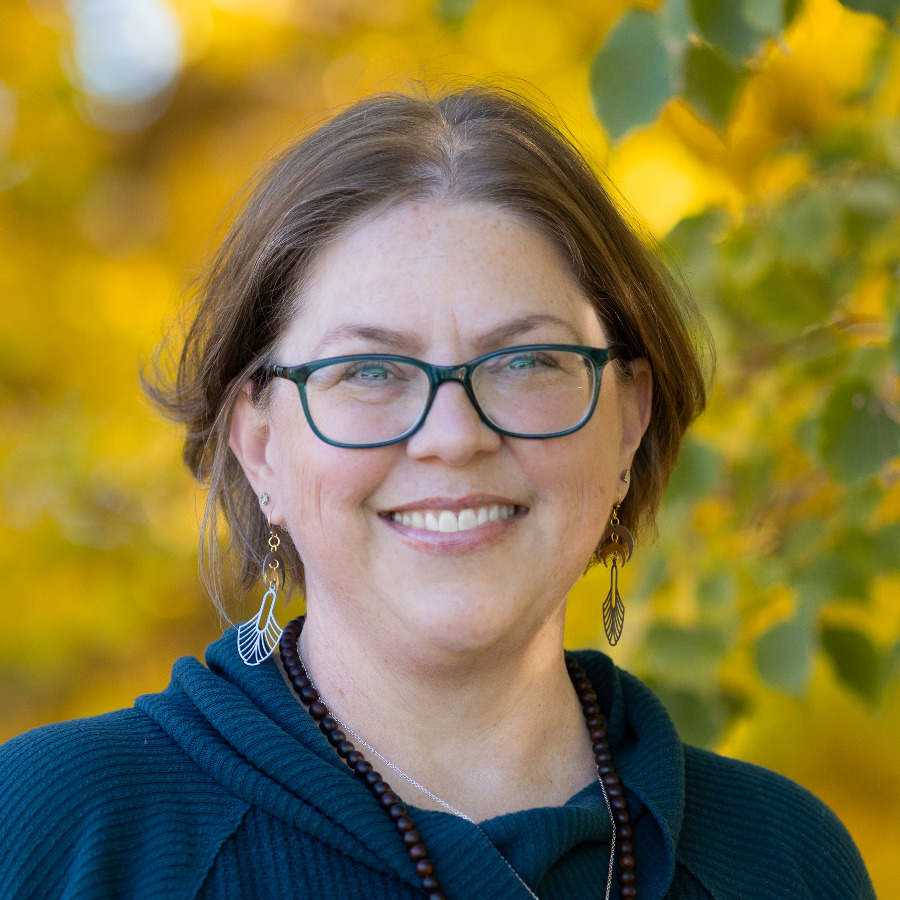
Stefanie Shoup serves as Deputy Director of Regulatory Affairs for the Air Pollution Control Division of the Colorado Department of Public Health and Environment. In this role, she focuses on finding creative, efficient, and data-driven approaches to reducing air pollutant emissions and achieving meaningful air quality improvements.
Stefanie has been with the Division since 2008, with much of her career focused on oil and gas air quality issues, permitting, and regulation. She holds a Master of Science in Environmental Engineering from Kansas State University and is passionate about bringing stakeholders and industry partners together to develop practical solutions to complex air quality challenges.
Her work has been recognized with a Clean Air Excellence Award from the U.S. Environmental Protection Agency and a Frank Johnson Environmental Excellence Award from the Colorado Department of Public Health and Environment.
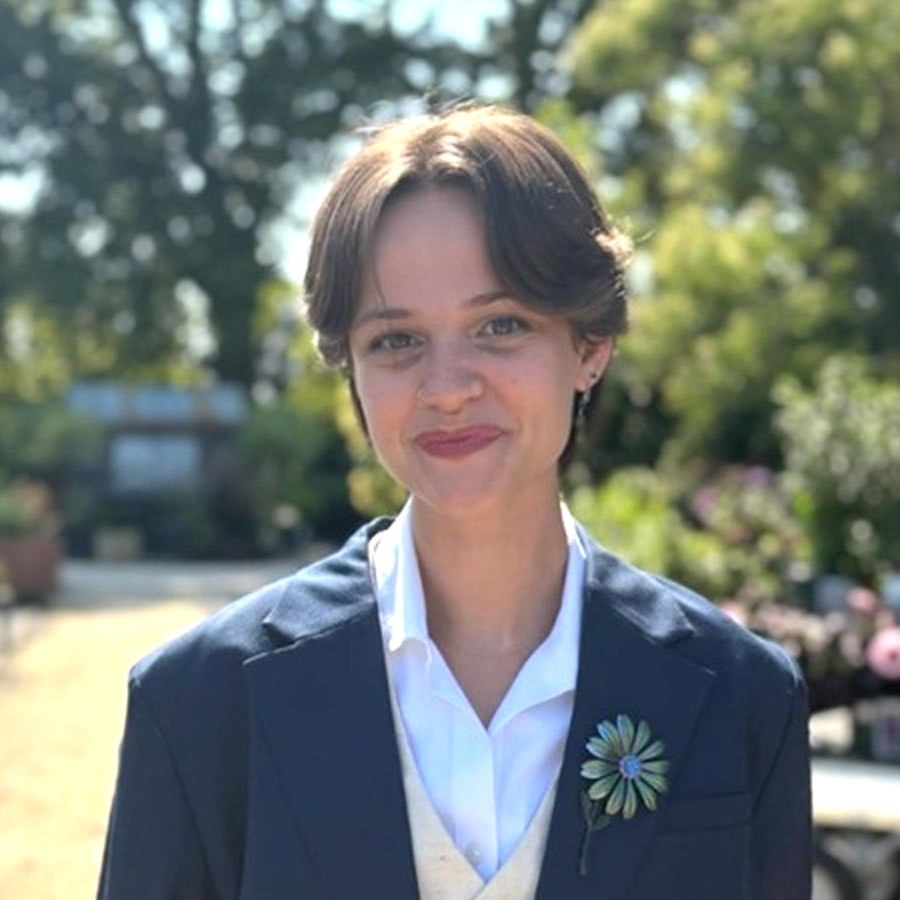
Kristen Steffes (she/they) is a Climate and Health Coordinator with the Colorado Department of Public Health and Environment. Kristen is an environmental epidemiologist by training and is dedicated to translating data into action, grounding that action in community experiences.

Dr. Tehya Stockman serves as the Air Quality Policy and Program Specialist with Adams County. In just two years, she has significantly expanded the County’s air quality programming by embedding community engagement and public awareness into its core functions. She has led educational outreach initiatives, strengthened the County’s air permit and air quality monitoring plan review processes, and contributed to state-level policy development through active participation in numerous Air Quality Control Commission rulemakings. Tehya also secured an Indoor Air Quality grant funded by Kaiser Permanente that is delivering direct benefits to residents through low-cost air quality sensor loan programs and the distribution of HEPA air cleaners to households in Disproportionately Impacted Communities. Tehya holds a PhD in Environmental Engineering with a specialization in Air Quality from the University of Colorado Boulder.
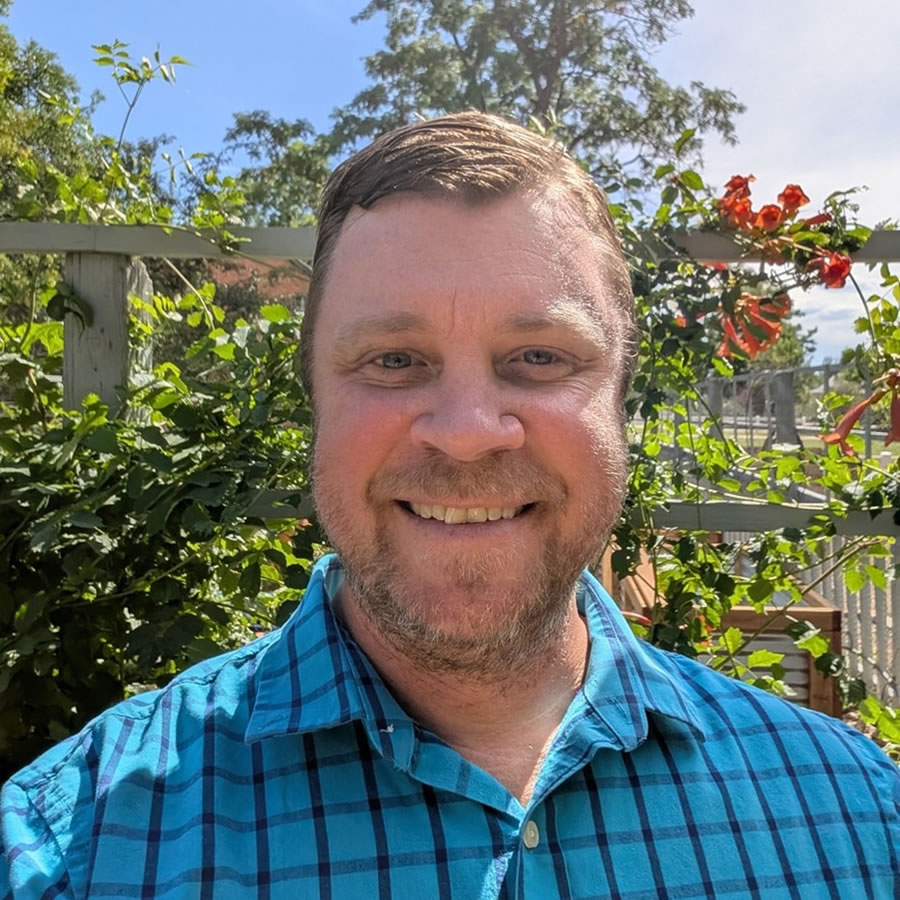
Dan Welsh is an Air Quality Meteorologist in the Air Pollution Control Division of the Colorado Department of Public Health and Environment. In this role, he monitors, forecasts, and communicates air quality information covering the State of Colorado. He also contributes to meteorological analysis of events that exceed National Ambient Air Quality Standards (Exceptional Events); engages program coordination with academic, federal, state, and local partners; supports development of program operations and procedures; and conducts education and outreach engagements. Dan has been with the Division since 2016, and has led or contributed to the implementation of several transformative changes to Colorado’s air quality forecasting program.
Dan is a lifelong resident of Colorado, holds a Bachelor of Science in Meteorology from the University of Northern Colorado, and a Master of Science in Atmospheric Science from The University of Wyoming. He is passionate about using his knowledge and experience to make complex information about weather and air quality understandable and accessible. Dan regularly works with agencies and institutions such as NASA, NOAA, The National Weather Service, and various academic institutions to further scientific understanding of air quality. He is dedicated to using his connections, expertise, and his position to make critical information available to all who seek to protect and improve public and environmental health.
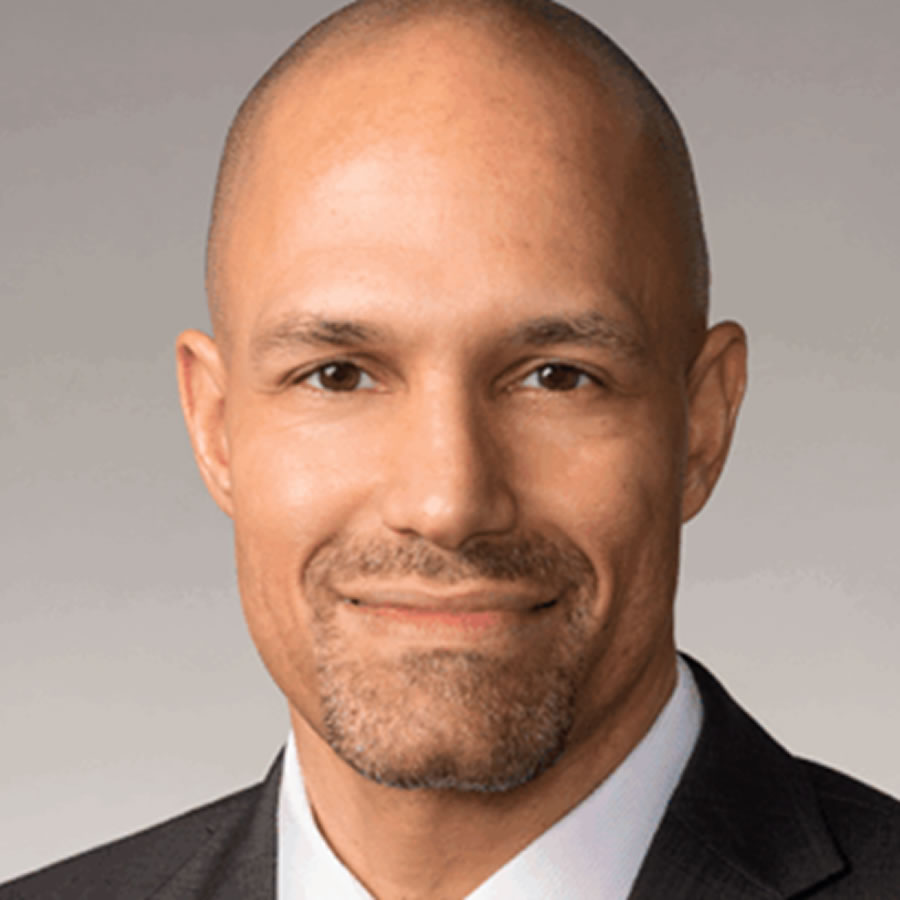
Sterling Wiggins is a Senior Advisor supporting the Advanced Research Projects Agency for Health (ARPA-H), where he provides strategic leadership and operational expertise to advance high-impact biomedical and health innovation. Over a career spanning more than 20 years, he has worked across government, industry, and academia to build multidisciplinary teams, strengthen collaboration, and help organizations translate complex scientific and technological ideas into meaningful outcomes. Previously, Sterling served as Vice President of Transformation at Aptima and spent five years supporting the Defense Advanced Research Projects Agency (DARPA) as a Collaboration Engineer, advising scientific teams on collaborative structures and practices to accelerate innovation. His expertise includes innovation strategy, team science, human and organizational performance, cognitive systems engineering, and strategic decision-making. He holds an MA in Education from Stanford University and a BS in Organizational Psychology from The Ohio State University.
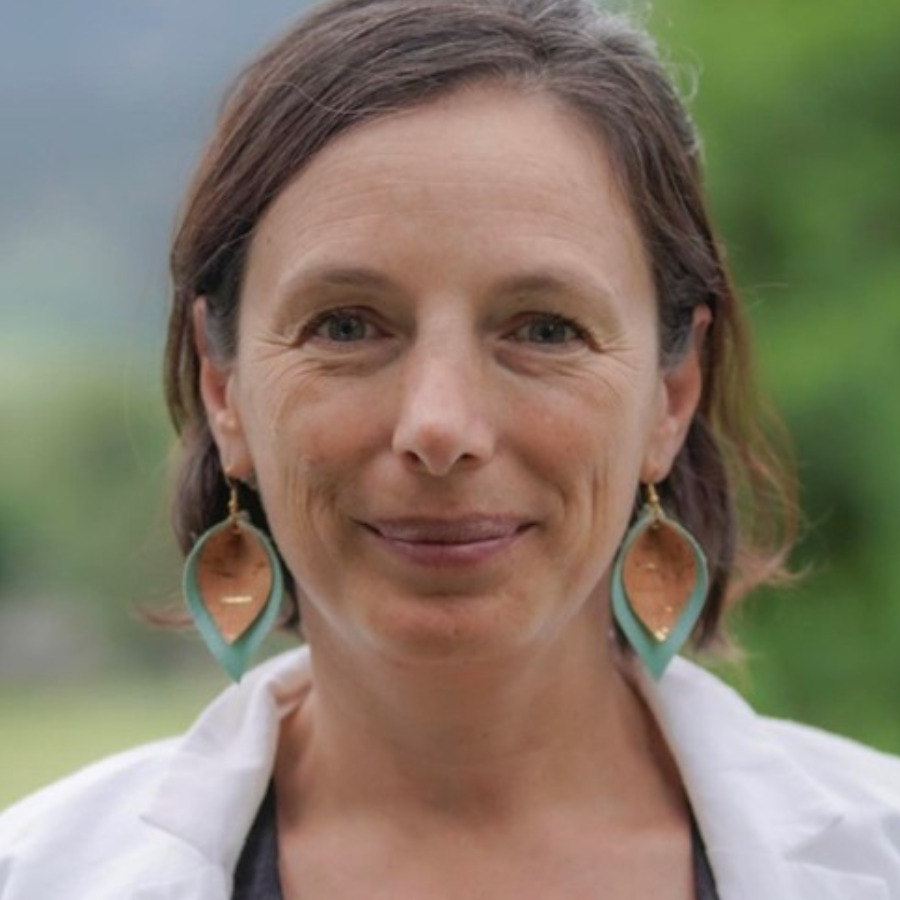
Jane Zelikova is a climate change scientist, advocate and communicator interested in the impacts of environmental change on natural and managed ecosystems. Her interests are broad and include tropical biogeochemistry, as well as the effects of climate change on organisms big and small. She combines a strong emphasis on research with an interest in science communication and outreach, thinking about ways to expand the role of science in tackling global issues.
Dr. Jane Zelikova is the executive director of the Sustainability Research Initiative at University of Colorado Boulder, where she works to harness the collective expertise of CU’s diverse research community to tackle pressing sustainability challenges and create meaningful societal impact.
Elizabeth Carlton, PhD, MPH, is a professor and Chair of the Department of Environmental & Occupational Health at the Colorado School of Public Health. She is an environmental epidemiologist who studies how infectious diseases spread, how climate change is altering infectious disease distributions, and how we can improve our ability to track emerging and endemic infectious disease threats. She is currently leading efforts to promote innovation and collaboration on climate and health issues in Colorado. She is an expert on the impacts of climate change on waterborne diseases and her work has been cited by the Intergovernmental Panel on Climate Change and the National Climate Assessment.
Dr. Carlton teaches courses on environmental and occupational epidemiology, the health impacts of climate change, and the emergence and control of infectious diseases. She leads the Doctor of Public Health program in Environmental and Occupational Health and serves as a scientific advisor to the National Institutes of Health Tropical Medicine Research Centers. She previously led a long-term study of the neglected tropical disease, schistosomiasis. She received her PhD in Environmental Health Sciences from the University of California Berkeley, her MPH from the Mailman School of Public Health at Columbia University, and her BS in biology from Yale University. Prior to graduate school, she was a Peace Corps Volunteer in Honduras.
Jay Lemery, MD, is the Climate & Health Foundation Endowed Chair in Climate Medicine and Professor of Emergency Medicine at the University of Colorado School of Medicine, with a secondary appointment at the Colorado School of Public Health. A Past-President of the Wilderness Medical Society, his expertise spans austere and remote medicine and the health impacts of climate change.
Lemery serves as Medical Director for the National Science Foundation’s Polar Research program and recently served as Clinical Scientist for NASA’s Human Research Program. His DoD-funded Cryosphere Austere Medicine Platform studies human and materiel performance in extreme cold environments.
At CU, he co-founded and directs the Climate & Health Program and has led pioneering educational initiatives, including the nation’s first climate and health science policy fellowship, the award-winning Diploma in Climate Medicine, and innovative MD/PhD and MD/MS degree programs. He is co-author of Enviromedics and lead editor of Global Climate Change and Human Health. In 2021, he was elected to the National Academy of Medicine.
Margaret Power is the Lead Administrator for the University of Colorado School of Medicine’s Climate and Health Program and supports the CU Climate and Health Science Policy Fellowship. Margaret’s career has been in higher education and international development with the Academy for Educational Development, University of Denver’s Women’s College and their Global Education programs. She holds a MA degree in International Studies and Communication from the University of Denver and a BA from the University of Iowa.
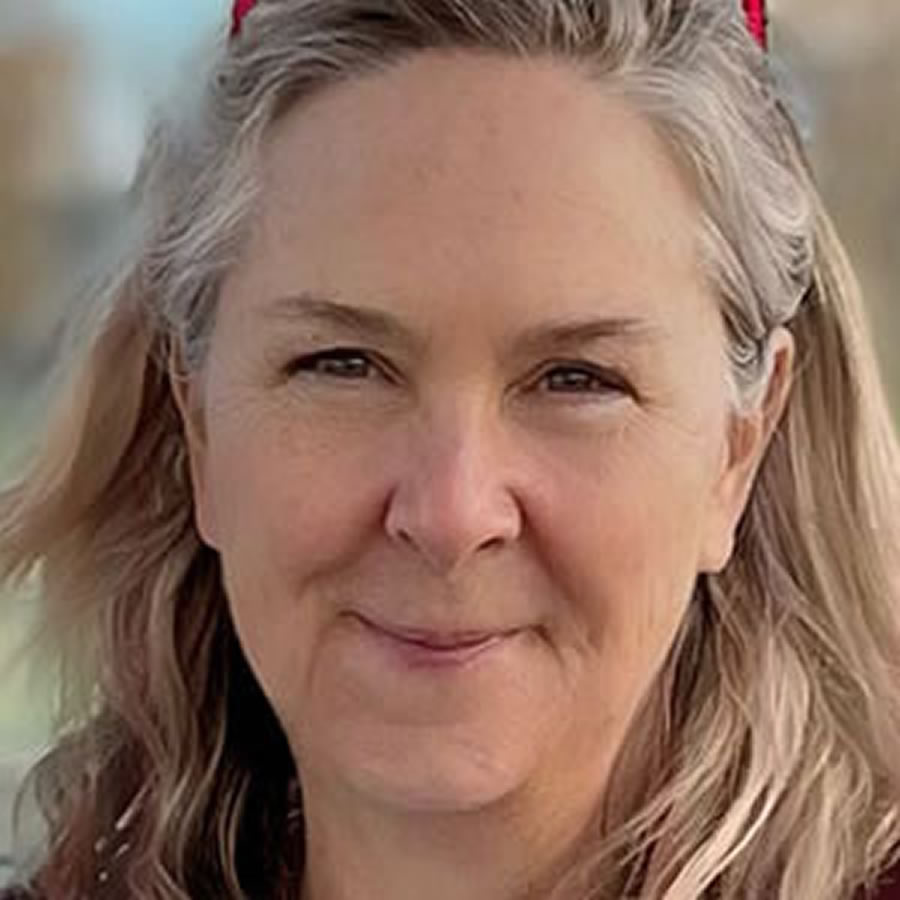
Meagan Rivers is the section coordinator for the Wilderness and Environmental Medicine section at the University of Colorado School of Medicine. She graduated from Canisius College in 2010 with a BA in Sociology. Before the University of Colorado, she worked as an admin for local businesses, as well as in website design and digital marketing boutique agencies.
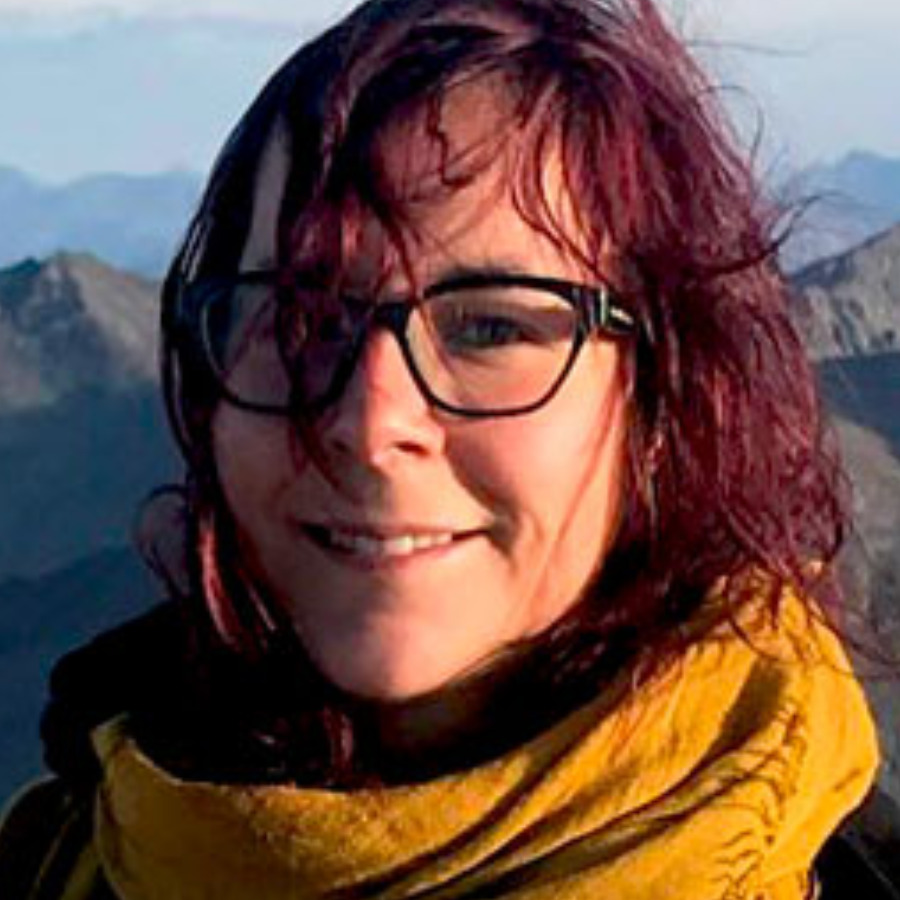
Jarrett leads decarbonization and sustainability programing at the CU Anschutz Medical Campus. As such, he oversees Climate Action and Energy Master Plan project development, waste diversion efforts, Green Labs programs, alternative transportation planning, as well as grants & funding activities.
With over two decades working in operational sustainability and climate mitigation planning, Jarrett has been at the forefront of institutional adoption of new modes, methods & technologies to create lasting business protocols that benefit both the environment and the bottom line.
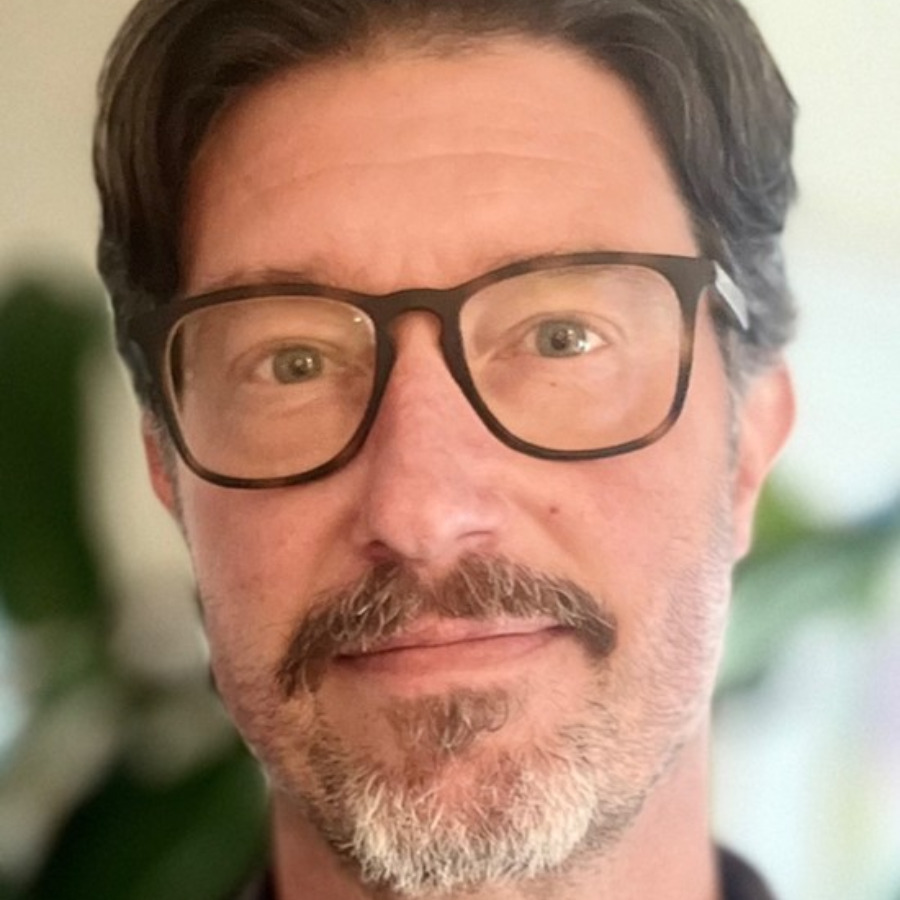
Shana Tarter WEMT, MFAWM is the Managing Director of the University of Colorado School of Medicine’s Diploma in Climate Medicine. Previously, she served as Associate Director of NOLS Wilderness Medicine, chaired the Wilderness Risk Management Conference Steering Committee, and is a past president of the Wilderness Medical Society. Shana has dedicated her career to advancing education, leadership, and decision-making in remote and challenging environments. Her current work focuses on the intersection of climate change, health, operational resilience, and risk management, helping organizations adapt to an increasingly complex and uncertain future.