

Welcome! The Pediatric Surgery Fellowship at the University of Colorado and Children’s Hospital Colorado, which was established in 1993, is a two-year ACGME-accredited training program committed to developing exceptional pediatric surgeons who are clinically outstanding, academically productive, and fully prepared to enter independent practice. As the only dedicated pediatric quaternary referral center and Level 1 Pediatric Trauma Center in the Rocky Mountain region, Children’s Hospital Colorado provides exposure to an extraordinary breadth and depth of surgical pathology, high-acuity care, and innovative surgical techniques.
Our mission is to train future leaders in pediatric surgery by providing comprehensive clinical experience, graduated operative responsibility, robust surgical education, and active mentorship in quality improvement, research, and professional development. Fellows gain extensive experience in neonatal surgery, pediatric surgical oncology, thoracic surgery, trauma and acute care surgery, and complex congenital conditions – all with a significant emphasis on minimally-invasive techniques (laparoscopic, thoracoscopic, and robotic). Upon graduation, fellows are fully prepared to deliver outstanding, evidence-based surgical care in both academic and high-volume community settings.
Regardless of the area of clinical focus, the graduates of our programs have consistently provided feedback that they were more than ready to function independently upon completion of the fellowship program. Thank you for your interest in our program.
Sincerely,
David Partrick, MD
Program Director 
Jose (Pepe) Diaz-Miron, MD MSCS
Associate Program Director
Jonathan Hills-Dunlap, MD MPH
Associate Program Director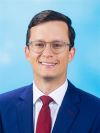
Children’s Hospital Colorado offers a unique and exceptionally strong training environment in a highly desirable geographic location. Key strengths of our program include:
The fellowship spans two years and provides a carefully structured, high-volume operative and clinical experience designed to ensure competency, independence, and professionalism.
Number of Positions: 1 per year
Year 1 — Foundational Pediatric Surgery Training
During the first year, the junior fellow focuses on developing broad competence in pediatric surgical care, including rotations in:
Fellows participate in outpatient clinics (ACGME requirement: 1/2 day per week), multidisciplinary care conferences, simulation-based education, and structured didactic sessions. Mentorship in academic development begins early in the first year.
Pediatric Surgery
The Pediatric Surgery service is divided into two teams, trauma and acute care surgery (TACS) and pediatric specialty surgery (PSS). The TACS service includes trauma and burn patients but also patients with acute surgical problems like appendicitis, cholecystitis, bowel obstructions, foreign bodies, etc. and manages all surgical patients in the PICU. The PSS service includes neonatal surgical patients, children with solid tumors, inflammatory bowel disease, thoracic disorders (e.g., pectus, lung lesions, empyema) and a variety of non-urgent pediatric surgical problems. The fellow will be responsible for the preoperative evaluation of patients and will learn the risks and benefits of the operations and how to counsel patients appropriately. Primary responsibility for postoperative care will be provided by the fellow with the supervisory oversight of the attending pediatric surgeon. Over the course of the fellowship, the fellows will acquire graded responsibilities as primary surgeon.
Neonatal Intensive Care Unit (NICU)
The junior fellow will rotate in the NICU for one month where he/she will participate in multispecialty team to manage babies in the neonatal intensive care unit following surgical procedures and with non-surgical problems. Specifically, the fellow will acquire competence in the surgical care of the critically ill infant or child requiring cardiopulmonary resuscitation, fluid and inotrope management, nutritional support (parenteral and enteral), ventilator management and extracorporeal membrane oxygenation (ECMO). The fellow will function as an integral member in the care team especially for critically ill neonatal surgical patients in order to acquire knowledge, skills, and competence in the pre-, intra-, and post-operative care of infants. The fellow must document care of at least 20 neonatal surgical patients.
Pediatric Intensive Care Unit (PICU)
The junior fellow will rotate in the PICU for one month where he/she will develop competence in the management of surgical, trauma, and other intensive care patients. The Pediatric Surgery fellow will be integral members of the patient care/rounding team, making decisions about patient care, and particularly the surgical care of the patient. The fellow should develop competence in their knowledge of invasive and non-invasive monitoring techniques and interpretation. The fellow will acquire the medical knowledge and experience required to manage pediatric surgery patients who require TPN, ECMO, fluids/vasopressors, and ventilators. The fellow must document the care of at least 10 critically ill pediatric surgical patients.
Pediatric Colorectal Surgery
The junior fellow will rotate for one month on the pediatric colorectal service (Dr. Andrea Bischoff and Dr. Luis De La Torre). Fellows will develop the skills necessary to treat patients with congenital colorectal conditions such as anorectal
malformations, cloaca, Hirschsprung disease, idiopathic constipation, and fecal incontinence. Fellows will learn the indications for surgery, preoperative evaluation and management, intraoperative skills, and post-operative
management, as well as bowel management in long-term patients.
Pediatric Urology
The fellow will rotate for one month on the pediatric urology service. The objective is to develop knowledge and understanding of the basic principles applicable to pediatric urology, including pre-operative evaluation, making provisional diagnoses, initiation of diagnostic procedures, formation of preliminary treatment plans, and recommendations for outpatient follow-up care of pediatric urologic surgical patients. The fellow will participate in clinic, on the wards and in the operating room under the supervision of the pediatric urology attending.
Year 2 — Chief Pediatric Surgery Fellowship Year
The senior year emphasizes leadership, autonomy, and advanced operative experience. Fellows assume a central role in operative planning, perioperative decision-making, and supervising surgical residents and physician assistants. Key experiences
include:
Operative Experience
Fellows gain substantial exposure to all major areas of pediatric general surgery, including neonatal cases. Children’s Hospital Colorado consistently exceeds ACGME case-minimum expectations, and operative experience includes extensive hands-on participation.
Annual Operative Experience (average, or range of select cases over last 5 years)
- Total major cases: 1269-1504
- Abdomen/GI: 600-700
- ECMO: >30-45
- Trauma/Critical Care: 200-250 (>20 operative trauma)
- Oncology: 60-70
- Thoracic: 100-160 (TEF/EA: ~15-20 with >50% done thoracoscopically; Lobectomies: 15-30; with >75% done thoracoscopically; CDH: ~20; with 10-20% done thoracoscopically)
- Head&Neck/Endocrine, GU, ARM: 65-100
- Robotic surgery: >25 (sleeve gastrectomy, cholecystectomy/choledochal cysts, thoracic, J-pouches, hernia repairs)
- Endoscopy: 60-80
Clinical Care Team
Our pediatric surgical team is responsible for more than 5000 pediatric Surgery cases per year. At any given time, the Pediatric Surgical Service cares for 50-80 patients, with approximately one-third of those patients being neonates in the NICU.
Training Site
All fellowship training occurs at Children’s Hospital Colorado on the University of Colorado Anschutz Medical Campus.
Research & Academic Scholarship
Fellows are encouraged and supported to participate in meaningful academic work. Opportunities include:
Conferences
It is our goal to prepare our fellows not only to satisfactorily pass the ABS certification examination, but to excel beyond that to a level of expertise that will allow the fellow to become a future leader in their area of specialty. To assist in this endeavor, we have many educational activities built into our protected Friday morning educational time (7-9AM), which include:
Additional conferences that fellows are encouraged to participate in include:
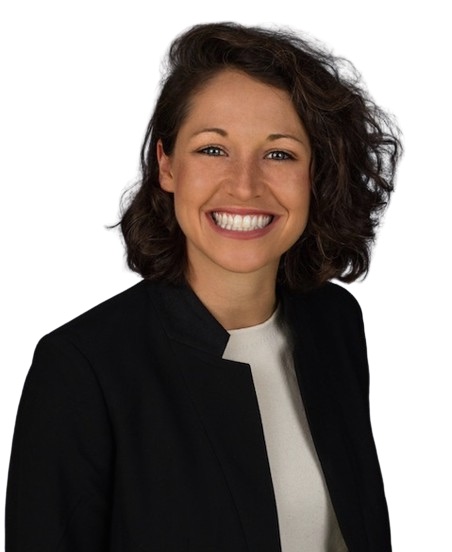
Jenny Stevens, MD
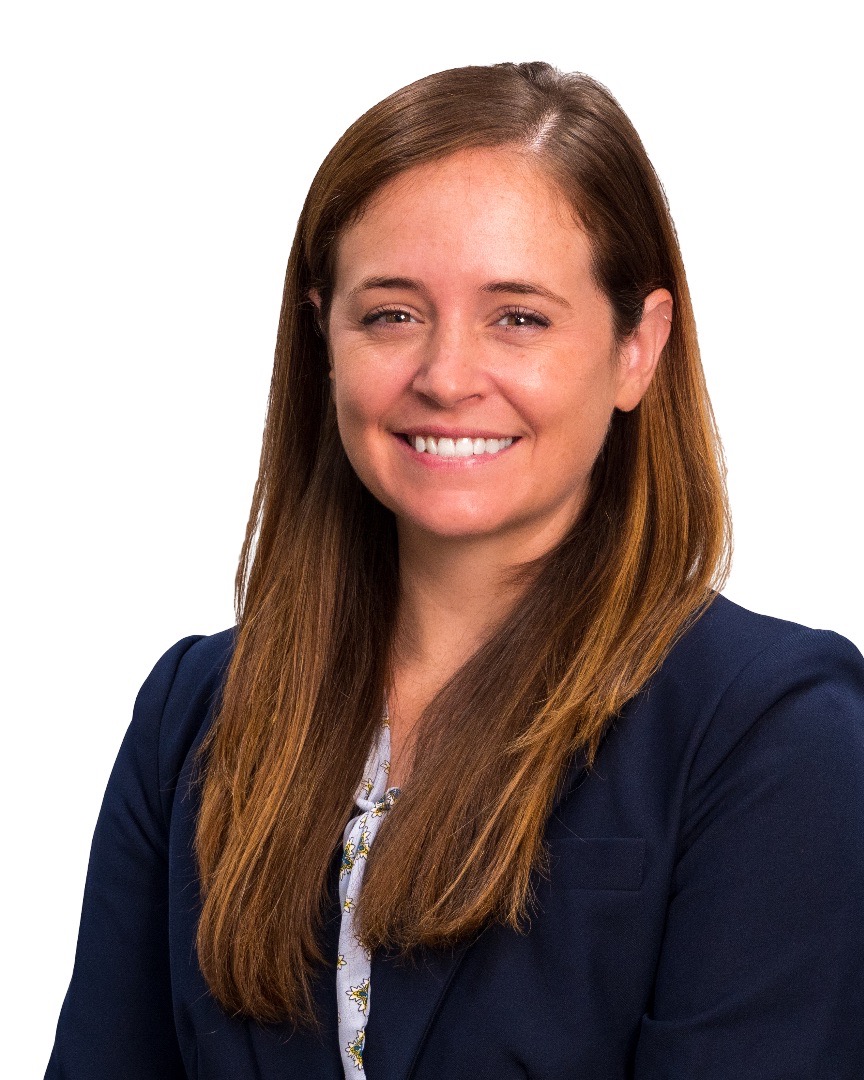
Dominique Doster, MD
Applications must be submitted through the Electronic Residency Application System (ERAS) by completing all required forms and uploading the necessary supporting documents. Applicants must have successfully completed an ACGME-accredited General Surgery Residency. While there is no minimum USMLE Step I score requirement, scores above 220 are considered advantageous. Three letters of recommendation are required, and no more than four letters will be accepted.
After an initial review, selected candidates will be invited for a virtual interview. Applicants will be notified of their status via email.
Pediatric Surgery matches with one fellow each May, with the two-year fellowship beginning the following August.
2026 Dates: Friday February 6 and Monday February 9.
Fellows in our program must be U.S. citizens or lawful permanent residents to train at the University of Colorado School of Medicine.
For further information or application inquiries, please contact our Program Coordinator (see Contact Us tab).
Questions about the fellowship program can be directed to Jaymie Donner:
.jpg?sfvrsn=ba14d8ba_4 "Jaymie Donner")