No Sternotomy
Avoids opening the breastbone for select procedures, reducing restrictions and discomfort.

Shared Content Block:
Surgery Styles -- directory
Shared Content Block:
Surgery Styles -- "surgery-flex-gallery" class
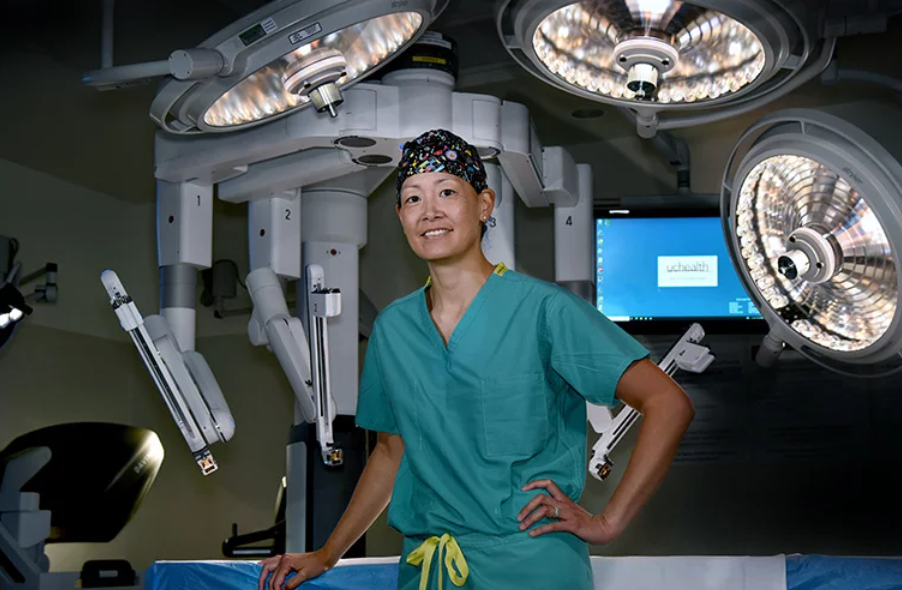
Image credit: UCHealth/Sonya Doctorian
Our cardiothoracic surgeons use the latest robotic platforms to perform complex heart procedures through small incisions, helping you heal faster and get back to life sooner.
No Sternotomy
Avoids opening the breastbone for select procedures, reducing restrictions and discomfort.Smaller Incisions
Less tissue trauma, less scarring, and typically less pain.Faster Recovery
Patients often leave the hospital sooner than with traditional open heart surgery.Enhanced Precision
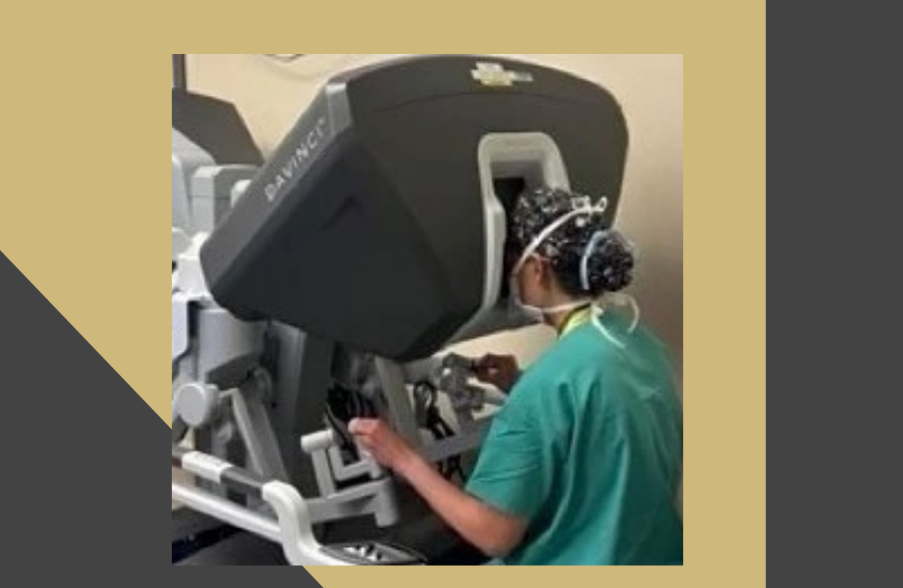
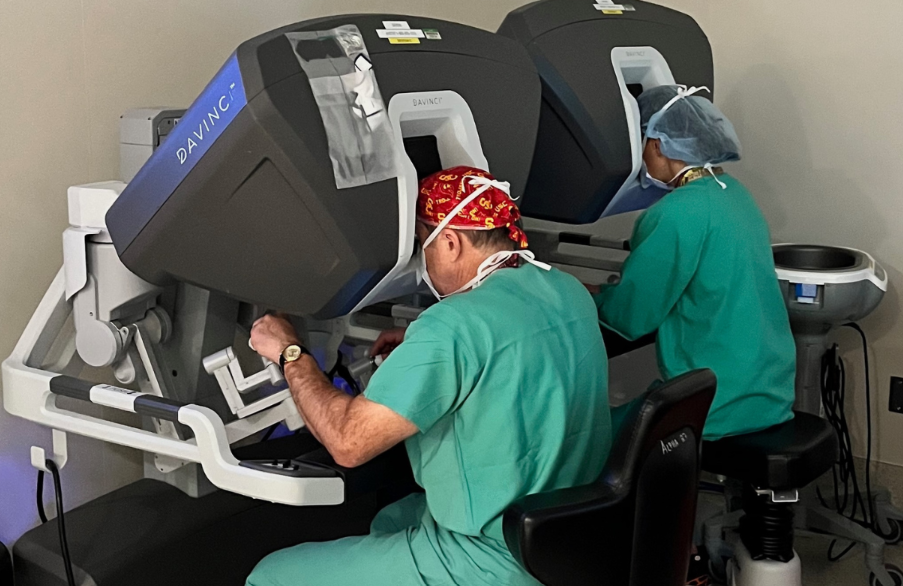
3D high-definition visualization and fine instrument control for delicate cardiac repairs.Robotic cardiac surgery is a type of minimally invasive heart surgery performed through a few small openings between the ribs. A high-definition 3D camera gives the surgeon a magnified view inside the chest, and slender, wristed instruments translate the surgeon’s hand movements into precise actions—the surgeon is in full control the entire time. This approach avoids the large breastbone incision (sternotomy) used in traditional open-chest surgery and is designed to reduce pain, limit blood loss, and speed recovery for appropriately selected patients.
Avoiding a sternotomy with a minimally invasive robotic approach can be a game-changer for the right patient.
How It Works:
Why Surgeons Use This Approach:
Important: Not everyone is a candidate; results vary by condition and overall health. Your surgeon will explain all options and their risks and benefits.
Our goal is simple: to help patients heal faster, with less pain, and return to their lives sooner—without compromising safety or results.
— Jessica Rove, MD, Distinguished Clinician
Repairs or replaces a leaking/diseased mitral valve through small chest incisions—no breastbone opening. When feasible, repair is often preferred and may support faster recovery, less pain/scarring, lower infection risk, and less blood loss than traditional open surgery.
For carefully selected one- or two-vessel disease, bypass can be performed through a small incision, sometimes without a heart lung machine (off-pump). Potential benefits include shorter hospital stay, less blood loss/fewer transfusions, and quicker recovery compared with traditional open-chest bypass.
For certain rhythm conditions (e.g., some atrial fibrillation procedures), a small incision approach offers enhanced visualization and instrument control. Candidacy depends on the type of arrhythmia and anatomy; your team will discuss whether a robotic approach is appropriate.
Repair or replace the tricuspid valve through small ports designed to avoid sternotomy, which may help lessen discomfort and support a smoother recovery compared with open surgery.
A minimally invasive technique to remove and replace a damaged aortic valve through small chest incisions. This approach is designed to provide the same surgical effectiveness as traditional open-chest valve replacement while reducing trauma to the body, minimizing blood loss, and supporting a faster, smoother recovery.
Good candidates may include people who:
You may not be a candidate if:
Your care team will review imaging, overall health, and goals to recommend the safest, most effective approach for you.
Potential Benefits (procedure-dependent):
Considerations & Risks (everyone should know):

David A. Fullerton Professor of Surgery; Division Chief, CT Surgery; Vice-Chair, Faculty Affairs
Focus areas: robotic mitral valve surgery, durable mechanical circulatory support, adult cardiac surgery, structural heart disease clinical trials, database registry research.

Director of Robotic Cardiac Surgery; Associate Professor of Surgery; John T.M. Wright Chair of Heart Valve Surgery
Focus areas: robotic AVR, robotic mitral repair, robotic CABG, valve surgery, arrhythmia surgery, aortic surgery.

Associate Professor of Surgery; Surgical Co-Director, CTICU
Focus areas: robotic CABG and advanced minimally invasive heart procedures.

Senior Instructor
Focus areas: Advanced perioperative management, patient education, intraoperative assistance, robotic cardiac surgery support, and coordination of pre- and postoperative care.

Senior Instructor
Focus areas: Advanced perioperative management, patient education, intraoperative assistance, robotic cardiac surgery support, and coordination of pre- and postoperative care.

Senior Instructor
Focus areas: Advanced perioperative management, patient education, intraoperative assistance, robotic cardiac surgery support, and coordination of pre- and postoperative care.
Our team is here to answer your questions, help you understand whether robotic heart surgery is right for you, and guide you through next steps—please use the options below to request an appointment or learn more about our cardiothoracic surgery providers.
Explore these related services to support you as you continue your care journey.
Learn how robotic heart surgery is transforming care through real examples and clinical advances at the University of Colorado. These articles highlight how less invasive approaches can support faster recovery and better outcomes.