

Shared Content Block:
Surgery Styles -- "surgery-flex-gallery" class
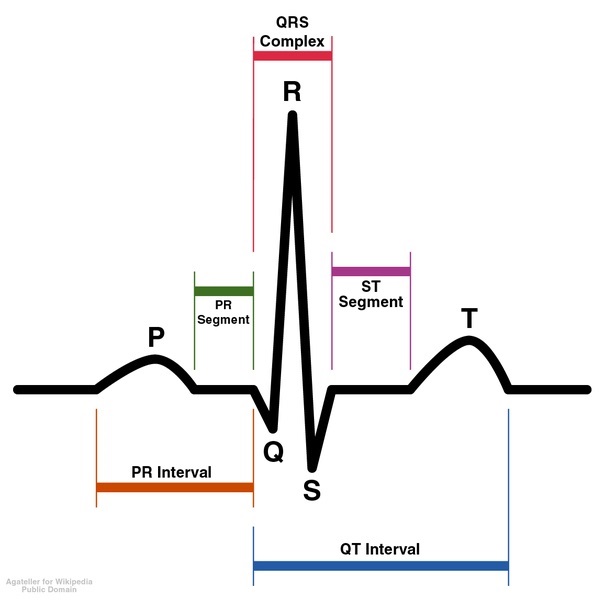
Schematic diagram of normal sinus rhythm for a human heart as seen on Electrocardiogram. In atrial fibrillation, however, the P waves, which represent depolarization of the atria, are absent.
During normal functioning of the heart, the chambers of the heart contract (“beat”) in a consistent and coordinated manner. Atrial fibrillation is an abnormal heartbeat. During atrial fibrillation, the heart's two upper chambers (the atria) beat chaotically and irregularly—out of coordination with the two lower chambers (the ventricles).
Atrial fibrillation is caused by irregular and rapid electric discharges within the heart. Its symptoms include heart palpitations, shortness of breath, and weakness. In many cases, this condition can corrected surgically.
Appointments and Information
This information is provided by the Department of Surgery at the University of Colorado School of Medicine. It is not intended to replace the medical advice of your doctor or healthcare provider. Please consult your healthcare provider for advice about a specific medical condition.